
Why Is My Weight Stuck? Understanding a Weight Loss Plateau
You have been eating thoughtfully, staying active, and watching the scale—yet your weight has stopped moving. A plateau is common, and it does not automatically mean that your plan has failed.
What is a weight loss plateau?
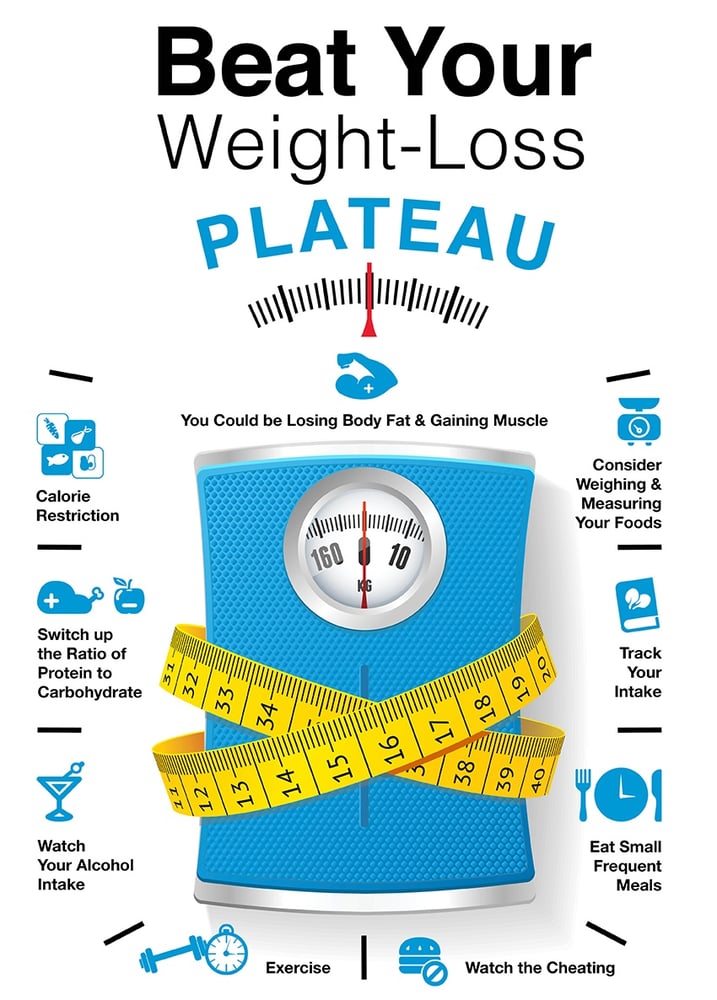
A weight loss plateau is a period when your body weight remains around the same level for several weeks even though you are trying to lose weight. Weight loss rarely follows a perfectly straight line. As body weight falls, your body generally needs less energy to move and maintain itself, and appetite and energy-expenditure signals can change. These adaptations can make the same routine produce a smaller deficit than it did at the beginning.
Important: A flat scale does not always mean zero progress. Water retention, bowel contents, menstrual-cycle changes, sodium intake, exercise-related inflammation and normal day-to-day variation can temporarily hide changes in body fat.
Why does weight loss stop?
There is usually more than one reason. A plateau can reflect normal physiology, changes in food intake or activity, or factors such as sleep, stress, medicines and medical conditions. Weight regulation is influenced by behaviour, biology, environment and genetics—not simply willpower.
1. Your body is lighterA smaller body generally uses fewer calories for basic functions and movement than a larger body.
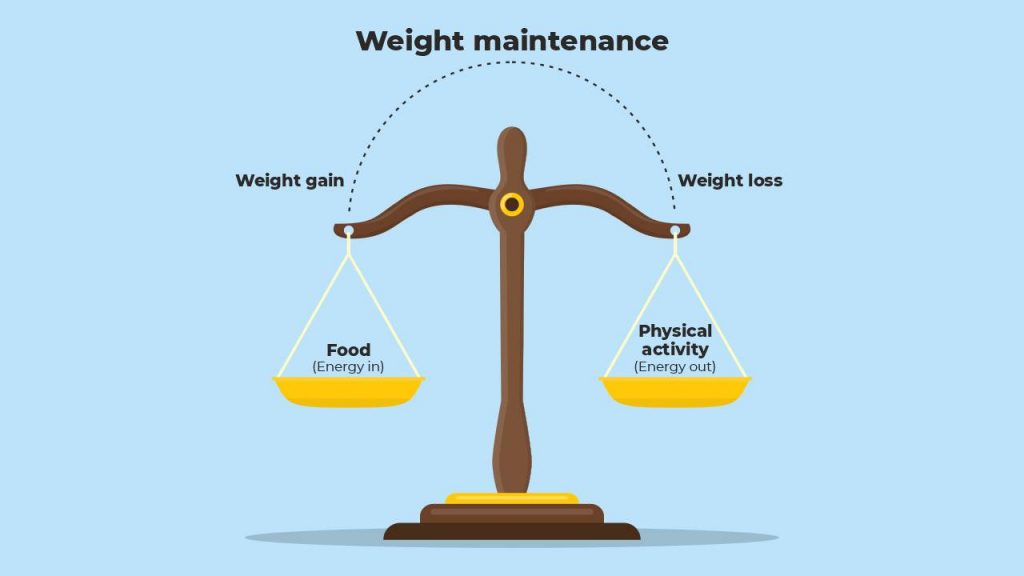
2. Your energy needs changedThe intake that created a deficit earlier may now be closer to your maintenance needs.
3. Appetite can riseAfter weight loss, biological signals can increase hunger and make sustained restriction harder.
4. Daily movement may fallPeople can unconsciously move less when dieting, reducing total daily energy expenditure.
1. Your calorie needs may have decreased
One of the most important reasons a plateau happens is that energy expenditure changes as you lose weight. Your body is smaller, so activities such as walking and climbing stairs require less energy. Resting energy expenditure can also decline, and metabolic adaptations may contribute.
This does not mean that your metabolism has “broken.” It means your current body and routine may have reached a new energy balance.
2. Your food intake may have crept up
Small changes can accumulate: a little more cooking oil, larger portions of rice or roti, sweetened tea or coffee, frequent tasting while cooking, weekend meals, sauces, snacks or calorie-containing drinks. None of these foods needs to be labelled “bad.” The useful question is whether your overall intake still matches your current goal.
Bear & Blend Tip: Before cutting food further, spend 7–14 days observing your normal intake. Include beverages, cooking oils, snacks and weekend meals. Tracking is a diagnostic tool—not a requirement for everyone.
3. Your activity may have changed without you noticing
Exercise is only one part of daily energy expenditure. Steps, household work, commuting, standing and other spontaneous movement also matter. If you became more sedentary after starting a diet or exercise programme, your total daily activity may have fallen even if your formal workout stayed the same.
For an Indian routine, this can mean looking beyond the gym: walking during phone calls, taking stairs when practical, doing household chores, and adding short walks after meals can all increase daily movement.
4. Water weight can hide fat loss
The scale measures total body mass—not body fat alone. Changes in sodium intake, carbohydrate intake, hydration, bowel contents, menstrual cycle, travel, poor sleep and harder workouts can move scale weight up or down without representing equivalent changes in body fat.
For this reason, compare trends rather than a single morning. Weigh under similar conditions and look at a multi-week pattern.
5. You may be gaining muscle while losing fat
If you recently started strength training, your body composition can improve without a dramatic change on the scale. Muscle and fat occupy different amounts of space, and short-term water changes associated with training can also affect weight.
Consider waist circumference, how clothes fit, strength, fitness and photos (if comfortable) alongside scale weight.
6. Sleep and stress can make weight management harder
Sleep and stress do not “break” weight loss, but they can influence appetite, food choices, energy and activity. The CDC lists sleep, stress, medicines, medical conditions, genes and age among factors that can affect weight management.
SleepAim for a consistent sleep schedule and enough sleep for your individual needs.
StressUse practical tools such as walking, relaxation, social support and structured routines.
7. Your weekend routine may be cancelling your weekday deficit
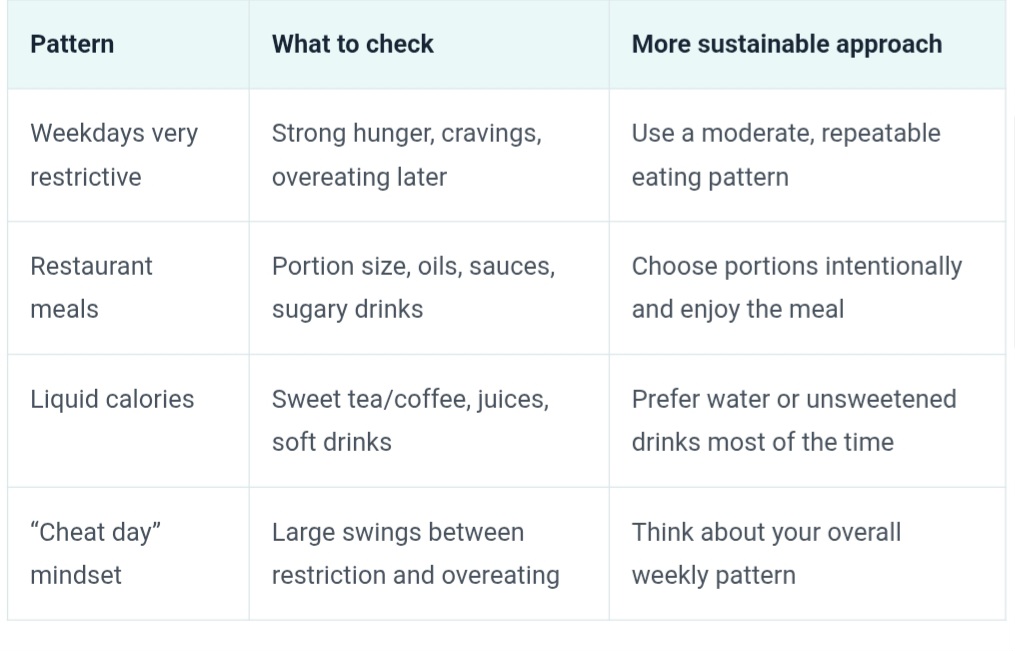
A common pattern is eating in a modest deficit from Monday to Friday and then having larger portions, restaurant meals, sweets or drinks on the weekend. You do not need to avoid social eating. Instead, look at your whole-week pattern.
8. Medicines and medical conditions can affect weight
Some medicines and health conditions can influence weight. Examples can include certain endocrine conditions and medications that affect appetite, fluid balance or metabolism. This does not mean that every plateau is caused by a medical problem.
If your weight changes unexpectedly, you have persistent symptoms, or you are taking medicines that may affect weight, discuss it with a qualified healthcare professional rather than stopping or changing medication yourself.
What should I do when my weight is stuck?
The safest response is usually not to panic and not to crash diet. First confirm that you have a genuine plateau, then make one or two measured changes
Check the trend.
Use consistent weigh-ins and review several weeks rather than one or two readings.Review portions and drinks.
Look for gradual changes in portions, oils, snacks and calorie-containing beverages.Prioritise protein and fibre.
Build meals around vegetables, pulses, dairy/eggs or other protein foods, whole grains and fruit according to your needs.Increase everyday movement.
Add practical walking and reduce long periods of sitting where possible.Keep strength training.
Resistance exercise can support muscle and functional fitness during weight loss.Protect sleep and recovery.
A consistent routine can make healthy behaviours easier to maintain.Ask for professional help when needed.
A doctor or registered dietitian can assess your health, medicines, nutrition and goals.
Should I eat much less to break a plateau?
Not necessarily. More restriction is not automatically better. Very aggressive dieting can increase hunger, fatigue and difficulty adhering to the plan. A sustainable approach should provide adequate nutrition and be realistic enough to continue.
Remember: The goal is not to make the scale fall as fast as possible. The goal is to improve health and body composition in a way you can maintain.
What about “metabolism-boosting” foods?
No single food, drink or detox can reliably override the overall factors that determine long-term weight change. Green tea, spices, lemon water and similar foods can be part of a healthy diet, but they should not be treated as a shortcut through a plateau.
A balanced eating pattern that includes vegetables, fruits, whole grains, pulses, protein foods and appropriate portions is more useful than searching for one “fat-burning” ingredient. NIDDK recommends an eating pattern that can be maintained over time.
When should I talk to a doctor?
Your weight is changing unexpectedly without trying.
You have symptoms such as unusual fatigue, excessive thirst or urination, significant menstrual changes, or other persistent symptoms.
You suspect a medication is affecting your weight.
You have obesity or weight-related conditions and lifestyle changes alone are not achieving your health goals.
You are considering weight-loss medicines, very-low-calorie diets or bariatric/metabolic surgery.
Evidence-based medical treatment can include structured lifestyle support and, for some people, weight-management medicines or metabolic/bariatric surgery. These options require individual assessment by a healthcare professional.
The bottom line
A weight loss plateau is not a personal failure. It is a common part of weight management. As you lose weight, your energy needs change, appetite can increase, daily movement can change, and water fluctuations can hide progress. Sleep, stress, medicines, health conditions, genetics and environment can also influence the scale.
Instead of responding with extreme restriction, step back and assess the bigger picture. Focus on nutritious Indian meals, practical portions, regular movement, strength training, sleep and a routine you can actually maintain. If progress remains difficult or you have health concerns, professional guidance can help.
Is a plateau a sign that my diet is not working?
Not necessarily. Plateaus are common because energy needs fall with weight loss and the body adapts. The first step is to examine the trend and your current routine before making drastic changes.
Should I stop eating rice or roti to lose weight?
Not automatically. Rice and roti can fit into a weight-management eating pattern. Portion size, preparation, what you eat with them, total intake and your individual needs matter more than declaring one staple food forbidden.
Can I lose belly fat without losing weight?
Your waist can change even when scale weight changes slowly, especially when body composition improves. However, targeted “spot reduction” of belly fat is not something a specific exercise can guarantee.