
Which Medical Tests Should People With Diabetes Get Every Year?
Diabetes care is not only about checking blood sugar. Regular screening can help detect kidney, eye, nerve, foot and cardiovascular problems before they become difficult to manage.
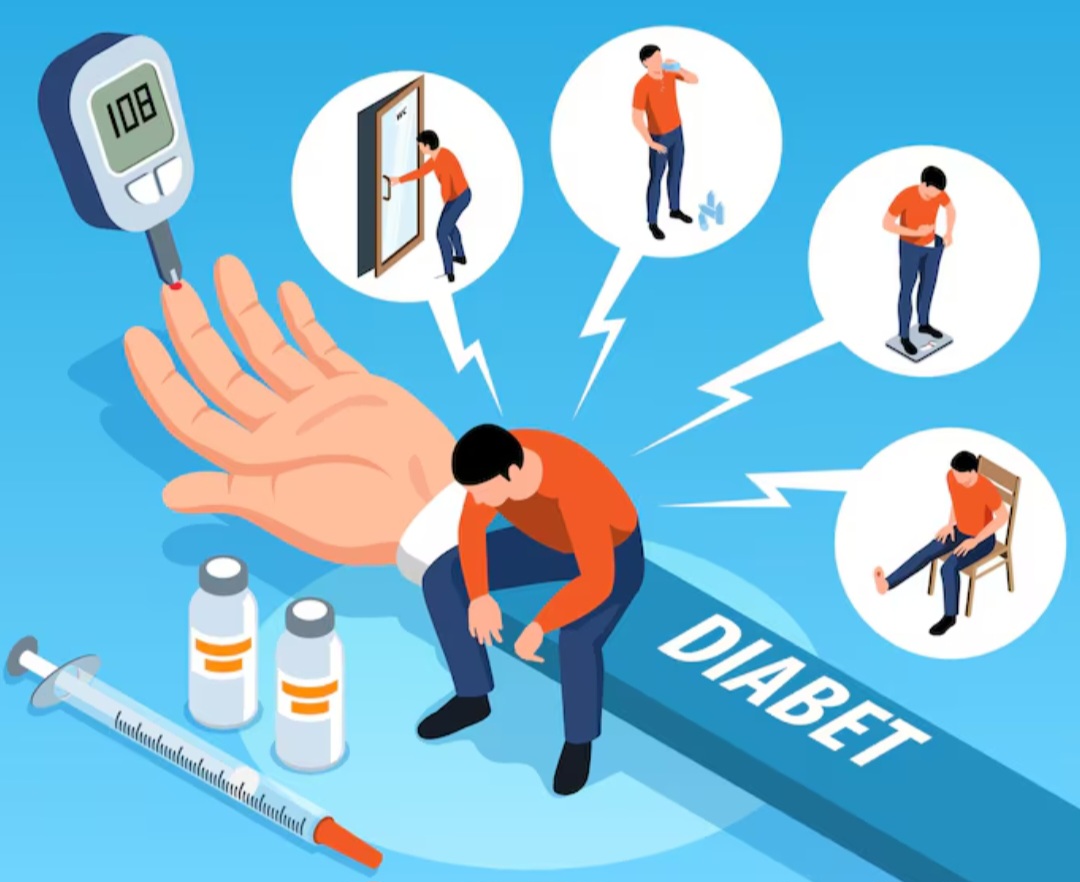
The diabetes annual check-up: at a glance
Use this as a discussion checklist for your doctor—not as a substitute for an individualized care plan.
Check / testTypical frequencyWhat it helps detect or monitorHbA1cUsually 2×/year or moreAverage glucose control over roughly the previous 3 months. Often every 3 months when treatment changes or targets are not being met.Urine UACR + serum creatinine/eGFRAt least yearlyEarly diabetic kidney disease and kidney filtration. More frequent monitoring is needed if CKD is present.Diabetic eye screening / dilated eye examinationGenerally yearlyDiabetic retinopathy and other diabetes-associated eye problems. The interval may be individualized after repeated normal exams.Comprehensive foot examinationAt least yearlyLoss of protective sensation, skin problems, deformity and reduced blood flow that can increase ulcer risk.Lipid profileOften yearlyLDL, HDL and triglycerides to assess cardiovascular risk and monitor lipid-lowering treatment.Blood pressure, weight and cardiovascular risk reviewEvery routine visitHypertension, weight change and overall cardiovascular risk. These are not “annual-only” checks.
Bear & Blend Tip: Keep one annual diabetes-care folder—recent HbA1c, kidney results, lipid profile, eye report, foot findings, medicines and vaccination history. It makes it much easier to see trends from year to year.
1.HbA1c: the test you should not wait a full year to repeat
HbA1c (glycated haemoglobin) estimates average blood glucose over about the previous three months. It is different from a finger-stick glucose reading, which is a snapshot at a particular time.
For many people with diabetes who are meeting their treatment goals, HbA1c is checked at least twice a year. If treatment has changed or glucose goals are not being met, testing is commonly done about every three months. Your clinician may choose a different interval based on your circumstances.
What it tells you
Whether your average glucose exposure is broadly moving toward your individualized target.
↗
Why trends matter
Comparing results over time is usually more useful than reacting to one isolated number.
Important: HbA1c can be less reliable in some situations, including certain anaemias, haemoglobin disorders, blood loss/transfusion and some kidney or liver conditions. Tell your doctor about relevant medical conditions.
2. Kidney tests: urine albumin and eGFR
Diabetes can affect the kidneys without causing obvious symptoms. That is why kidney screening is one of the most important parts of routine diabetes care.
Which kidney tests?
Urine albumin-to-creatinine ratio (UACR): looks for excess albumin leaking into the urine.
Serum creatinine with eGFR: estimates how well the kidneys are filtering blood.
Current ADA guidance recommends UACR and eGFR at least annually for people with type 2 diabetes, and for people with type 1 diabetes after at least five years of disease. ICMR guidance for type 2 diabetes also recommends annual kidney assessment using urine albumin-creatinine ratio and serum creatinine with eGFR.
Why both? Albuminuria and eGFR provide different information. A person can have early kidney damage before a major fall in eGFR is visible, so one test should not automatically be treated as a replacement for the other.
3. Eye screening: diabetes can damage the retina silently
Diabetic retinopathy may progress without pain or noticeable vision changes in its early stages. Screening is therefore important even when your eyesight seems normal.
For type 2 diabetes, a comprehensive dilated eye examination is recommended at the time diabetes is diagnosed. For type 1 diabetes, the first examination is generally recommended about five years after onset. After that, screening is generally repeated at least annually when retinopathy is present or when risk warrants it; after one or more normal examinations and good glycaemic control, a 1–2 year interval may be considered by the eye-care professional.
Indian eye-care guidance also supports lifelong, repeated diabetic-retinopathy screening, including fundus photography or telemedicine-based programmes where appropriately trained professionals are available.
Do not wait for vision loss. A routine eye-screening appointment is different from an urgent eye consultation. Sudden vision loss, a sudden increase in floaters, flashes or a curtain-like shadow needs prompt medical attention.
4. Foot and nerve examination: more than just looking at the feet
A comprehensive foot examination should be performed at least annually. It is designed to identify loss of protective sensation, skin or nail problems, deformities and signs of reduced circulation before a small injury becomes a serious ulcer.
What can the examination include?
Inspection of the skin, nails, pressure areas and any cuts or ulcers.
Assessment for deformities such as bunions or prominent pressure points.
10-g monofilament testing for loss of protective sensation, combined with another neurological assessment such as vibration, pinprick or temperature.
Assessment of foot pulses and other signs of peripheral arterial disease.
5. Cholesterol and cardiovascular risk: check the whole picture
People with diabetes have an increased risk of cardiovascular disease. A diabetes review therefore includes more than glucose numbers.
Lipid profile
A lipid profile measures total cholesterol, LDL cholesterol, HDL cholesterol and triglycerides. ADA guidance states that a lipid profile is reasonable annually in adults with diabetes who are not taking lipid-lowering therapy, while people taking statins or other lipid-lowering treatment generally have an annual lipid assessment after the initial follow-up period, with additional checks after treatment changes.
Blood pressure and weight
Blood pressure, weight and other cardiovascular risk factors should be assessed during routine diabetes care—not saved for one annual laboratory visit.
What about an ECG every year? An ECG is not a universal “annual diabetes test” for every symptom-free person. It may be appropriate when symptoms, known cardiovascular disease, an abnormal examination or another clinical indication is present. Your clinician should decide whether it is needed.
Tests that are not automatically required every year
It is tempting to order a large “full body package” every year. More testing is not always better. Some tests are useful only when symptoms, medicines, age, pregnancy, complications or other risk factors make them relevant.
🧪
Liver function tests
May be appropriate when fatty liver/MASLD is suspected, when certain medicines are used, or when symptoms or abnormal previous results call for follow-up.
🦋
Thyroid testing
Not a universal annual test for every person with type 2 diabetes; it may be more relevant with symptoms, thyroid disease or autoimmune type 1 diabetes.
🩸
CBC / haemoglobin
Useful when anaemia or another blood condition is suspected, but it is not a diabetes-specific annual screening test for everyone.
♥
ECG / cardiac tests
Considered according to symptoms, history and cardiovascular risk—not simply because a person has diabetes.
What should people with diabetes in India keep in mind?
For people living in India, access and screening pathways can vary between cities, district hospitals, diabetes clinics, primary health centres and eye-care centres. Diabetic-retinopathy programmes in India may use trained personnel, fundus photography and telemedicine/remote grading to improve access.
ICMR guidance for type 2 diabetes recommends annual retinal, kidney and foot assessments. Current RSSDI guidance also includes Indian clinical recommendations for glucose monitoring, cardiovascular risk and diabetes complications, while the 2023 RSSDI/VRSI position statement addresses diabetic-retinopathy screening in India.
Practical India checklist: At your annual diabetes review, ask your clinician whether your HbA1c schedule, kidney UACR/eGFR, eye screening, foot examination, lipid profile, blood pressure, weight and cardiovascular-risk plan are up to date.
Is HbA1c required only once a year?
No. For many people with diabetes it is checked at least twice a year, and it may be checked about every three months when treatment changes or glucose goals are not being met.
Do all people with diabetes need a kidney test every year?
Kidney screening with urine UACR and eGFR is recommended at least annually for people with type 2 diabetes. For type 1 diabetes, ADA recommends it after five years of diabetes duration. People with established kidney disease generally need more frequent monitoring.
Should I get a “full body health package” every year?
A package can contain useful tests, but it may also include tests you do not need. A targeted diabetes review is usually more clinically meaningful. Ask your doctor which additional tests are appropriate for your age, medicines, symptoms and medical history.