
What Is the Normal Blood Sugar Level? Fasting and After Food
Understand what fasting blood sugar and after-meal glucose numbers mean, how prediabetes differs from diabetes, and when a reading needs medical attention.
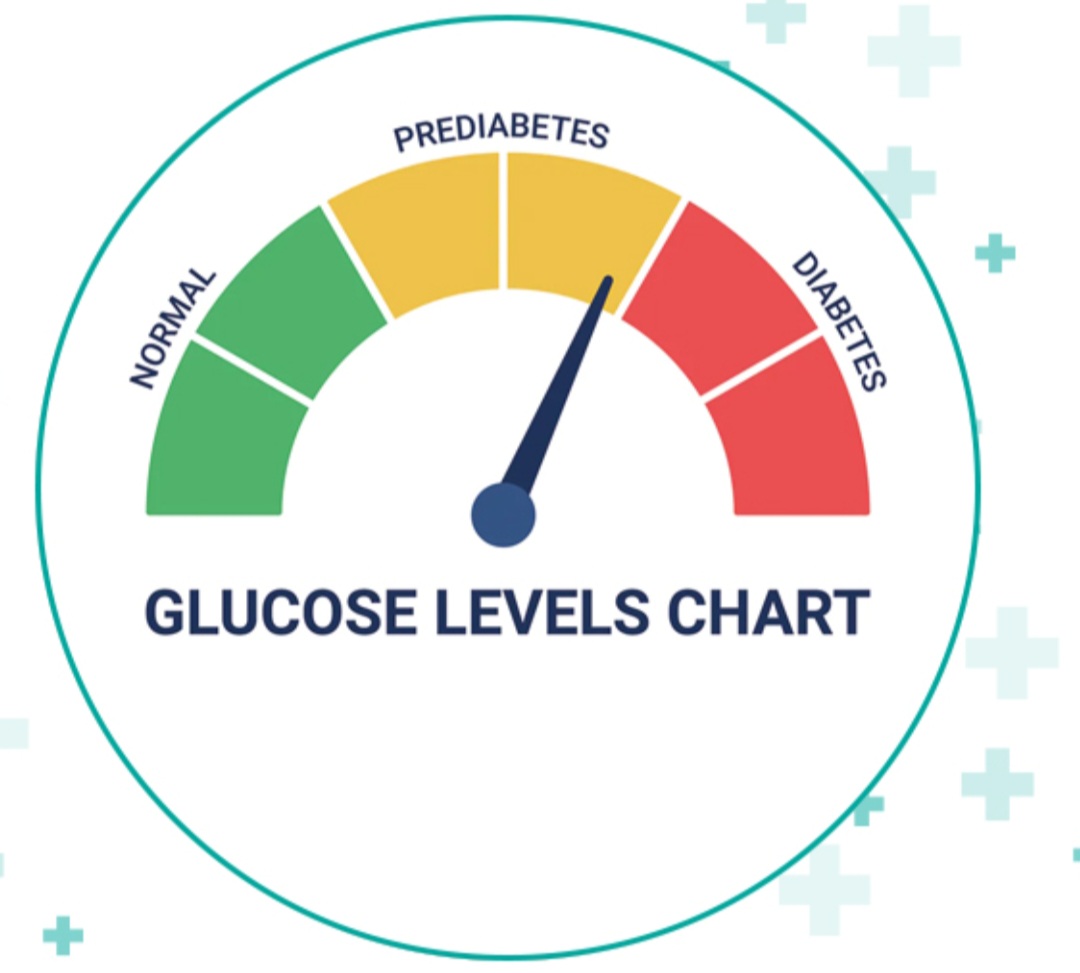
what is a normal blood sugar level?
For a non-pregnant adult without diabetes, a fasting plasma glucose below 100 mg/dL (5.6 mmol/L) is in the normal range. For a standard 75-g oral glucose tolerance test (OGTT), a 2-hour value below 140 mg/dL (7.8 mmol/L) is considered normal.
Important distinction: “2 hours after food” on a home glucometer is not exactly the same test as a laboratory 75-g OGTT. The OGTT uses a controlled glucose drink for diagnosis. For people already living with diabetes, doctors commonly use individualized pre-meal and post-meal targets rather than the diagnostic ranges below.
Fasting blood sugar levels: normal, prediabetes and diabetes
Fasting blood glucose is measured after at least 8 hours without caloric intake, usually before breakfast. Water is generally allowed unless your healthcare provider gives different instructions.
Fasting plasma glucoseHow it is generally interpretedBelow 100 mg/dL (<5.6 mmol/L)Normal100–125 mg/dL (5.6–6.9 mmol/L)Prediabetes / impaired fasting glucose126 mg/dL (7.0 mmol/L) or higherDiabetes range — diagnosis normally requires confirmation unless there is unequivocal hyperglycaemia.
One high reading does not automatically mean you have diabetes. If there is no unequivocal hyperglycaemia, diagnostic results are generally confirmed with repeat testing or another accepted test such as HbA1c, according to clinical guidance.
What should blood sugar be after eating?
Blood glucose naturally rises after a meal because carbohydrates are broken down into glucose. The number depends on the meal, portion size, physical activity, medications, insulin sensitivity and the exact time the measurement is taken.
For diagnosis: the 2-hour OGTT
For a standard oral glucose tolerance test, a 2-hour plasma glucose of less than 140 mg/dL (7.8 mmol/L) is normal; 140–199 mg/dL (7.8–11.0 mmol/L) is in the prediabetes range; and 200 mg/dL (11.1 mmol/L) or higher is in the diabetes range. This diagnostic test uses a measured 75-g glucose drink and should not be confused with an ordinary post-meal home glucose reading.
2-hour plasma glucose during 75-g OGTTInterpretationBelow 140 mg/dL (<7.8 mmol/L)Normal140–199 mg/dL (7.8–11.0 mmol/L)Prediabetes / impaired glucose tolerance200 mg/dL (11.1 mmol/L) or higherDiabetes range
If you already have diabetes: what are typical glucose targets?
"Normal” diagnostic ranges and diabetes treatment targets are different. For many non-pregnant adults with diabetes, the American Diabetes Association lists a typical pre-meal target of 80–130 mg/dL and a peak post-meal target of less than 180 mg/dL, measured 1–2 hours after the beginning of the meal. Targets may be individualized based on age, medicines, pregnancy, kidney health, hypoglycaemia risk and other factors.
Do not change diabetes medicines based on one reading. If your readings are repeatedly above your prescribed target—or you are getting low readings with symptoms—contact your healthcare professional for individualized advice.
How to check blood sugar more accurately at home
Wash and dry your hands
Food residue or moisture on the fingers can affect a glucometer reading.
Use the meter correctly
Check that strips are compatible, in date and stored according to the manufacturer's instructions.
Record the timing
Note whether the reading was fasting, before a meal, or 1–2 hours after the start of a meal.
For diagnosis, laboratory plasma glucose testing is preferred over relying on a home glucometer alone. If a home reading is unexpectedly high or low, repeat the measurement correctly and seek medical advice when appropriate.
When should you talk to a doctor?
Fasting readings are repeatedly 100 mg/dL or higher.
A laboratory fasting result is 126 mg/dL or higher.
You repeatedly get high post-meal readings, especially with symptoms.
You have symptoms such as frequent urination, excessive thirst, unexplained weight loss, unusual tiredness or blurred vision.
You have very high glucose together with vomiting, difficulty breathing, confusion, severe weakness or dehydration — seek urgent medical care.
Is 100 mg/dL fasting sugar normal?
100 mg/dL is the threshold at which the fasting glucose category moves out of the normal range in the ADA criteria. A fasting value below 100 mg/dL is considered normal; 100–125 mg/dL is the prediabetes range.
Is 140 mg/dL after eating normal?
The answer depends on when and how it was measured. A 140 mg/dL value at 2 hours during a 75-g OGTT is the threshold between normal and impaired glucose tolerance. A home post-meal reading is a different measurement and should be interpreted in context.
Are these ranges the same during pregnancy?
No. Pregnancy has separate glucose screening and treatment thresholds. Pregnant people should follow the testing schedule and targets provided by their obstetrician or diabetes care team.