
What Food Should Diabetics Avoid Completely?
A practical India-focused guide to the foods and drinks that are best avoided, the foods that need portion control, and the everyday Indian swaps that can make blood-glucose management easier.
Important: There is no single universal “diabetes forbidden-food list.” Food needs vary with diabetes type, medicines, activity, kidney health, weight goals and glucose response. This article explains foods that are generally best avoided or sharply limited; it does not replace an individualized plan from a doctor or registered dietitian.
What food should a person with diabetes avoid completely?
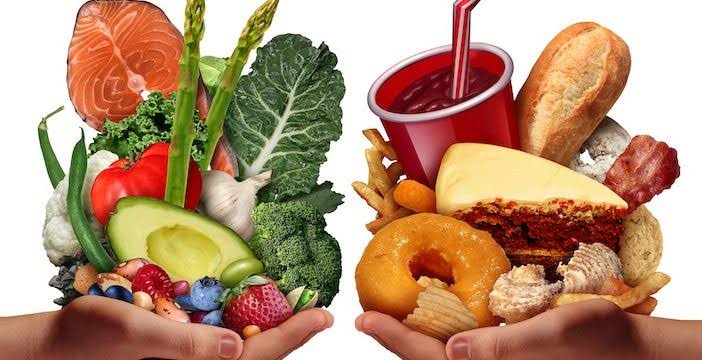
The most useful answer is: avoid sugary drinks as a routine choice, and sharply limit foods that are concentrated in added/free sugars, refined carbohydrates, trans fats and excess saturated fat. But most people with diabetes do not need to permanently ban every carbohydrate or every sweet food.
ICMR guidance for type 2 diabetes emphasizes individualized meal planning and recommends carbohydrate sources that are higher in fibre, such as whole grains, millets, legumes, oats and suitable fruits. It also recommends limiting simple carbohydrates and managing total carbohydrate intake.
💧
One change with a big practical payoff:
Replace regular soft drinks, sweetened packaged beverages, energy drinks and sugar-heavy tea/coffee with water or another unsweetened drink. Liquid sugar can deliver a large carbohydrate load without much satiety
Foods and drinks to avoid or sharply limit
The distinction matters. Some items are so concentrated in free sugar or refined carbohydrate that avoiding them is the simplest strategy. Other foods can fit into a diabetes-friendly diet when portions and overall carbohydrate intake are managed.
Best avoided
1. Sugar-sweetened drinks
Regular soft drinks, sweetened packaged juices, fruit drinks, energy drinks, sports drinks, sweetened iced tea, flavoured milk drinks and heavily sweetened coffee/tea are high-priority items to remove from everyday use.
Liquid sugar can raise blood glucose quickly.
“Fruit drink” is not the same as eating whole fruit.
Choose water, plain soda water, or unsweetened tea/coffee instead.
Best avoided
2. Foods with large amounts of added sugar
Regular sweets and desserts—such as jalebi, gulab jamun, rasgulla, laddoo, peda, mithai, sweetened kheer, halwa, cakes, pastries and sugar-rich biscuits—can deliver a high sugar and calorie load.
Do not assume “jaggery” or “honey” makes a sweet diabetes-safe.
Check total carbohydrate and added/free sugar on labels.
Avoid where possible
3. Industrial trans-fat sources
Foods made with partially hydrogenated fats are a concern for cardiovascular health. WHO recommends avoiding industrially produced trans fats; check packaged-food labels and avoid products listing partially hydrogenated oils.
Be cautious with products made using vanaspati or hydrogenated fats.
Prefer minimally processed foods and healthier unsaturated fats.

Limit
4. Refined carbohydrate-heavy foods
Maida-based breads, biscuits, bakery foods, large portions of white rice, noodles and many fried snacks can make carbohydrate intake easier to overconsume.
These are not automatically “poison” or permanently forbidden.
Portion size, meal composition and individual glucose response matter.
Limit
5. Deep-fried and highly processed foods
Samosa, kachori, puri, bhatura, fried namkeen, chips and packaged snack foods can be calorie-dense and may contain refined starch, unhealthy fats or excess sodium.
Frequency and portion size matter.
Choose roasted, steamed, grilled or home-cooked alternatives more often.
Not automatically banned
6. Whole fruit, milk and carbohydrate staples
A diabetes diagnosis does not mean “no fruit” or “no rice.” Whole fruit, pulses, whole grains, vegetables and unsweetened dairy can be part of a balanced diet, with individualized portions.
Prefer whole fruit over juice.
Build meals around fibre, protein and vegetables.
Why this approach? The American Diabetes Association recommends minimizing added sugars and refined grains while emphasizing non-starchy vegetables, quality carbohydrate foods, whole/minimally processed foods and dietary fibre. ICMR similarly recommends individualized meal planning and higher-fibre carbohydrate sources for people with diabetes
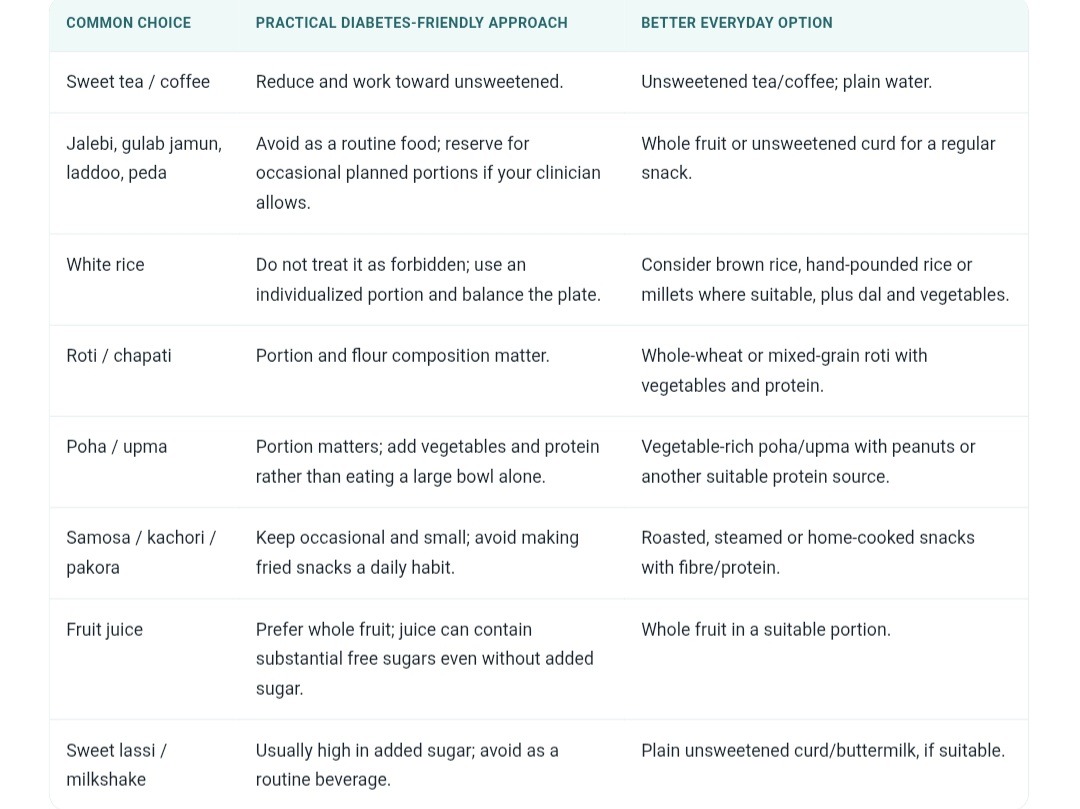
Common Indian foods: what should you do?
WHO notes that healthy diets should be adapted to local food availability and dietary customs. For India, that means diabetes nutrition does not have to mean abandoning familiar foods; the focus is on food quality, portions, preparation and overall dietary pattern.
Symptoms of diabetes: what should you watch for?
Food choices are only one part of diabetes care. Diabetes can develop gradually, and some people have few or no symptoms initially. Common symptoms include increased urination, increased thirst and hunger, unexplained weight loss, fatigue and blurred vision. Recurrent urinary or yeast infections can also occur.
Frequent urinationNeeding to urinate more often than usual, including at night.
Excessive thirstFeeling unusually thirsty or needing more fluids.
Increased hungerFeeling hungry despite eating normally.
Unexplained weight lossWeight falling without intentionally changing diet or activity.
FatiguePersistent tiredness or low energy.
Blurred visionVision becoming temporarily or persistently blurry.
Recurrent infectionsRepeated urinary or yeast infections may occur.
Slow-healing woundsPersistent wounds deserve medical evaluation, particularly with known diabetes.
Tingling or numbnessMay occur with nerve complications and needs assessment.
🩺
Symptoms do not diagnose diabetes by themselves.
If symptoms are present, a healthcare professional can confirm the diagnosis using appropriate blood-glucose testing, such as fasting plasma glucose and/or HbA1c, according to the clinical situation.
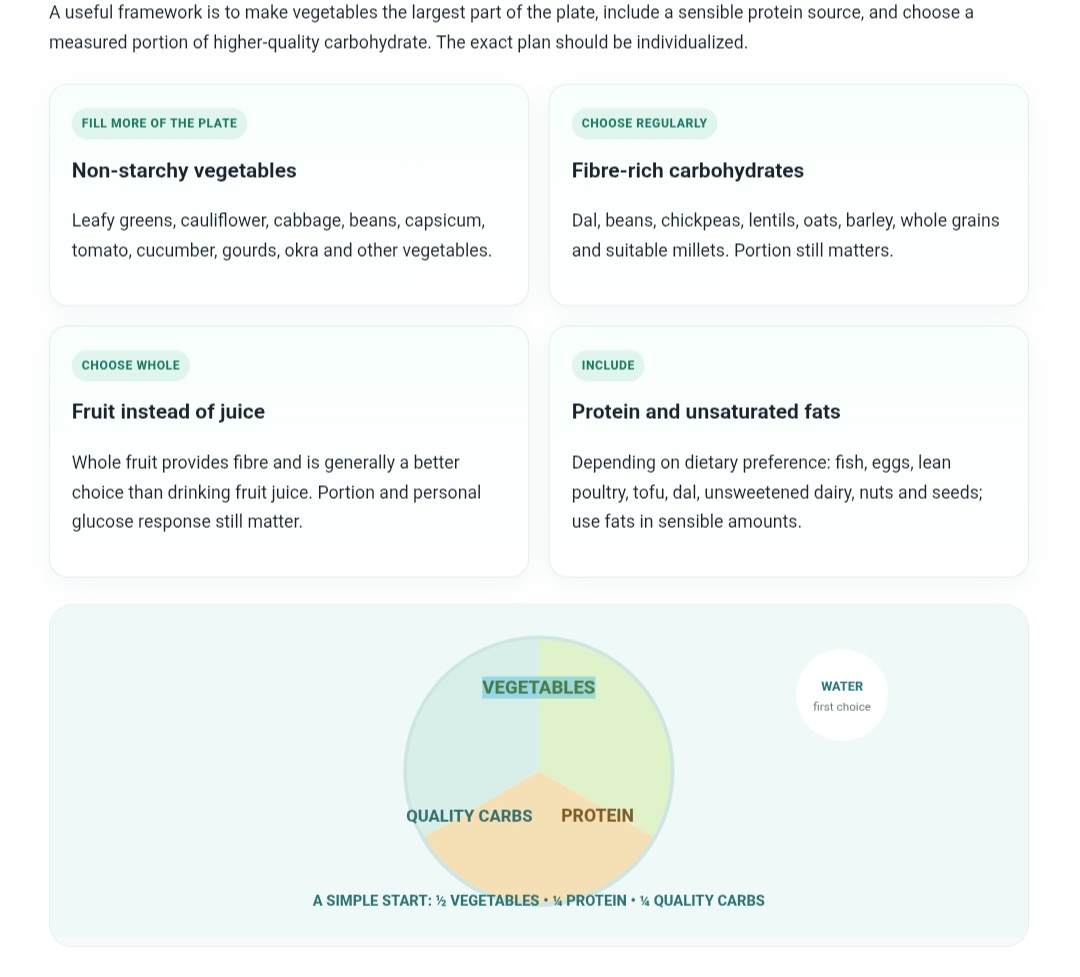
What should you eat instead?
How to read a packaged-food label
Look at serving size. A packet may contain more than one serving, so do not assume the listed carbohydrate applies to the entire pack.
Check total carbohydrate. “Sugar-free” does not automatically mean low in carbohydrate.
Check added sugar / ingredients. Sugar, syrup, glucose, fructose, dextrose and similar ingredients can contribute to the carbohydrate load.
Look for fibre. Foods with more fibre can be a better carbohydrate choice, but the total carbohydrate and portion still matter.
Check fats and sodium. Diabetes care also includes cardiovascular health, not only glucose.
When should you contact a healthcare professional?
Seek medical advice if you have persistent symptoms of diabetes or repeatedly high glucose readings. If a person with diabetes develops severe weakness, vomiting, abdominal pain, deep/rapid breathing, confusion, or difficulty staying awake, urgent medical assessment is warranted because these can be signs of a serious glucose emergency.
Do not change insulin or diabetes medicines just because you changed your diet. Medication doses and carbohydrate intake may need coordinated adjustment with your diabetes-care team.
Key takeaways
✓
For most people with diabetes, the goal is not “eat nothing sweet ever.”
Avoid sugary drinks as a routine choice, sharply limit foods high in added/free sugar and refined carbohydrates, avoid industrial trans fats, and build most meals around vegetables, fibre-rich carbohydrates, appropriate protein and sensible portions.
Most importantly, diabetes nutrition should be individualized. A meal that works well for one person may need different portions or timing for another, especially when insulin or glucose-lowering medicines are involved.