
What Are the Early Warning Symptoms of Diabetes?
The signs can be easy to overlook. Learn which changes may signal high blood sugar, why type 2 diabetes can stay silent, and when it is sensible to get tested in India.
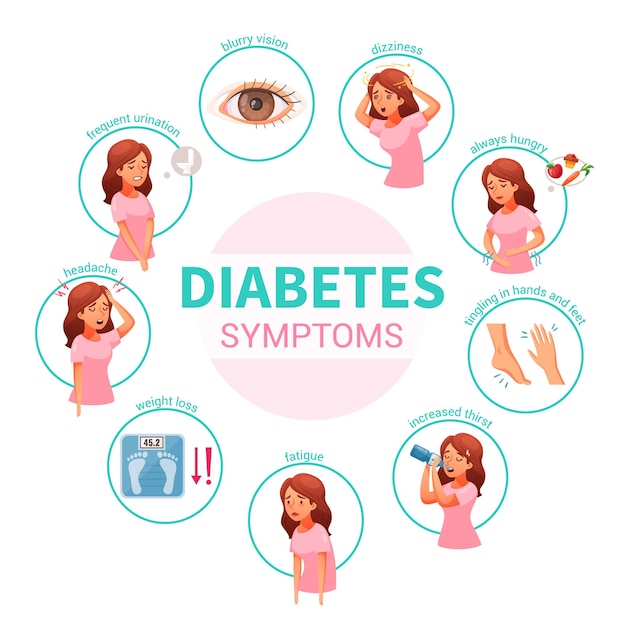
Diabetes does not always announce itself clearly. Type 2 diabetes, in particular, may develop gradually and can cause few or no noticeable symptoms for a long time. That is why recognising changes in thirst, urination, energy, vision, weight and healing can be useful—but symptoms alone cannot confirm diabetes.
Quick answer: Common early warning signs include frequent urination, increased thirst or hunger, unusual tiredness, unexplained weight loss, blurred vision, recurrent infections and slow-healing cuts or wounds. Tingling or numbness in the hands or feet can also occur, particularly when high blood glucose has been present for some time.
Often gradualType 2 symptoms may take years to become obvious.
Sometimes silentSome people have diabetes without noticeable symptoms.
Testing confirmsA blood glucose test—not symptoms alone—establishes diagnosis.
Early warning symptoms to watch for
💧
1. Excessive thirst
Feeling unusually thirsty or having a persistently dry mouth can accompany high blood glucose, especially when it occurs with frequent urination.
🚻
2. Frequent urination
Needing to urinate more often than usual—particularly waking repeatedly at night—can be a warning sign that deserves evaluation.
🍽️
3. Increased hunger
Some people experience unusual hunger even after eating. This may occur because glucose is not being used normally by the body's cells.
⚡
4. Unusual tiredness
Persistent fatigue or low energy can occur with high blood glucose. It is common and nonspecific, so the overall pattern matters.
⚖️
5. Unexplained weight loss
Losing weight without intentionally changing food intake or activity should be checked, especially when accompanied by thirst and frequent urination.
👁️
6. Blurred vision
Changes in blood glucose can affect the eye's ability to focus, causing temporary blurred vision. Persistent or sudden visual changes need medical attention.
🩹
7. Slow-healing wounds
Cuts, sores or foot wounds that take unusually long to heal can be associated with diabetes and should not be ignored.
🦠
8. Recurrent infections
Repeated urinary, skin, oral or genital infections can occur with diabetes. Recurrent infections are a reason to discuss blood glucose testing with a clinician.
🖐️
9. Tingling or numbness
Numbness or tingling in the hands or feet can occur when diabetes affects nerves. It is not specific to diabetes, but warrants evaluation when persistent.
🧴
10. Skin changes
Dark, velvety skin—often around the neck, armpits or groin—can be associated with insulin resistance. It is a reason to discuss risk with a healthcare professional.
Important: None of these symptoms proves that a person has diabetes. They can also have other causes. The most important clue is a persistent or unusual combination of symptoms, particularly in someone with diabetes risk factors.
Why can diabetes be missed?
Type 2 diabetes commonly develops slowly. The body may compensate for rising blood glucose for a long period, so a person may feel completely well. In India, screening is particularly important because diabetes can occur at younger ages and at lower BMI levels than many people expect.
Risk is higher with factors such as a close family history of diabetes, excess abdominal weight, physical inactivity, high blood pressure, abnormal cholesterol or triglycerides, previous gestational diabetes, polycystic ovary syndrome (PCOS), and increasing age.
What should you do if you notice these signs in India?
If symptoms persist or several occur together, arrange a blood glucose evaluation rather than trying to diagnose yourself from symptoms. A doctor may choose fasting plasma glucose, HbA1c, an oral glucose tolerance test (OGTT), or a random glucose test depending on the situation.
Test / measurement
Fasting plasma glucose
2-hour plasma glucose during OGTT
HbA1c
Random plasma glucose + classic symptoms
ICMR diagnostic threshold for diabetes*
≥ 126 mg/dL
≥ 200 mg/dL
≥ 6.5%
≥ 200 mg/dL
What it tells you
Blood glucose after an overnight fast
How the body handles a measured glucose load.
Average blood glucose exposure over roughly the previous 2–3 months.
Can support diagnosis when classic hyperglycaemic symptoms are present.
When should adults consider screening?
Do not wait for symptoms if you have significant risk factors. WHO India has advised annual blood-glucose checks for adults over 30 in its diabetes campaign materials. Your doctor may recommend a different interval depending on your age, weight, family history, pregnancy history, previous results and other risk factors.
What can you do while waiting for a check-up?
Keep meals balanced and prioritise vegetables, pulses, whole grains and minimally processed foods.
Limit frequent sugary drinks, sweets and highly processed foods rather than relying on a single “diabetes-friendly” food.
Stay physically active. For most adults, the general WHO target is at least 150 minutes of moderate-intensity activity per week, unless a clinician advises otherwise.
Avoid tobacco. If you drink alcohol, discuss what is appropriate for you with a healthcare professional.
If you already take diabetes medicine, do not stop or change the dose because of an online article.
Seek urgent medical care
Severe weakness, vomiting, abdominal pain, confusion, difficulty breathing, loss of consciousness, or very high blood glucose with concerning symptoms can signal a medical emergency. Do not wait for a routine appointment.
Can you have diabetes without symptoms?
Yes. Type 2 diabetes may cause mild symptoms or none at all for a long time. This is one reason risk-based screening is important.
Can a glucometer at home diagnose diabetes?
A home glucometer can be useful for monitoring and may flag an abnormal reading, but diagnosis should be made using appropriate laboratory testing and clinical interpretation.
Is prediabetes the same as diabetes?
No. Prediabetes means glucose is higher than normal but below the diagnostic range for diabetes. It indicates increased risk and is an important opportunity for prevention or delay.
What is the most important early warning sign?
There is no single symptom that reliably identifies diabetes. Frequent urination and excessive thirst are classic clues, but many people have no symptoms. Blood glucose testing is more reliable than symptom-checking alone.