
Why Does Diabetes Cause Tingling or Numbness in the Feet?
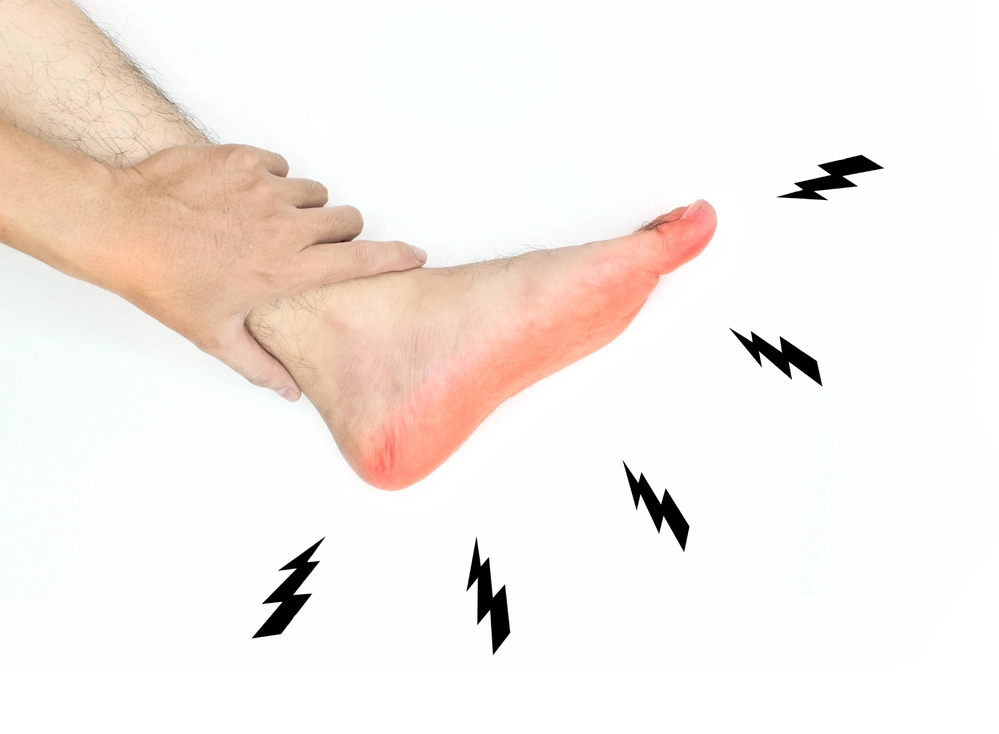
That “pins and needles” feeling may be more than a temporary sensation. In people with diabetes, persistent tingling, burning or numbness can be a sign of diabetic peripheral neuropathy—a form of nerve damage that commonly affects the feet.
What is happening to the nerves?
Persistently high blood glucose and other metabolic changes can damage nerves and the small blood vessels that nourish them. The longest nerves are often affected first, so symptoms commonly begin in the feet and may gradually move upward.
Why does diabetes cause tingling and numbness?
The most common explanation is diabetic peripheral neuropathy. Over time, high blood glucose can injure peripheral nerves and the small blood vessels that supply them. Nerves in the feet and lower legs are particularly vulnerable, which is why symptoms often start there.
ICMR guidance describes sensory diabetic neuropathy using symptoms such as tingling (paraesthesia), numbness and pain, along with reduced ability to sense touch, pain, temperature or vibration.
Long-term glucose exposure
Persistently elevated blood glucose contributes to metabolic and vascular stress that can injure nerve tissue.
Nerve signalling changes
Damaged nerves may send abnormal signals, felt as tingling, burning, shooting pain or unusual sensitivity.
Reduced sensation
As nerve function declines, normal sensations such as heat, cold, pain or pressure may become harder to detect.
Important: Not every case of tingling or numbness is caused by diabetes. Vitamin B12 deficiency, thyroid problems, kidney disease, certain medicines, alcohol use and spinal or other nerve conditions can also cause neuropathy. A clinician should assess persistent or unexplained symptoms.
What does diabetic neuropathy feel like?
Symptoms can vary from person to person. They may affect both feet and can be more noticeable at night. Common sensations include:
Tingling or “pins and needles”
Numbness or reduced sensation
Burning or shooting pain
Increased sensitivity to touch
Difficulty sensing heat, cold, pain or pressure
Weakness, balance problems or changes in walking in more advanced cases
NIDDK notes that peripheral neuropathy usually affects the feet and legs, and symptoms may include burning, tingling, numbness, pain and weakness
Why can numb feet become a serious problem?
Numbness can remove the body's normal warning system. A person may step on a small object, develop a blister from footwear, or sustain a minor cut without feeling enough pain to notice it. If the injury is missed, it can progress to an ulcer or infection.
Diabetes can also affect circulation. When reduced blood flow occurs together with nerve damage, a foot wound may be harder to heal. ICMR guidance highlights the relationship between neuropathy, loss of protective sensation and diabetic foot-ulcer risk.
Do not ignore these signs
Seek prompt medical attention for a foot wound that is not healing, increasing redness or swelling, pus/discharge, a change in foot colour or temperature, new severe pain, or blackened skin. Do not try to self-treat a diabetic foot wound.
How can you protect your feet if you have diabetes?
Daily foot routine
Check both feet every day for cuts, blisters, redness, swelling, cracks or sores.
Wash with warm—not hot—water and dry carefully, especially between the toes.
Moisturise dry skin, but avoid putting lotion between the toes.
Do not walk barefoot, including indoors.
Footwear & nails
Choose comfortable, well-fitting footwear and wear socks.
Check inside shoes for stones, rough seams or other objects.
Trim toenails straight across and smooth sharp edges.
Do not cut corns/calluses yourself or use chemical corn removers without medical advice.
CDC recommends daily foot checks, appropriate footwear, avoiding barefoot walking and regular professional foot examinations for people with diabetes.
Can better diabetes control stop the tingling?
Good diabetes management is an important part of preventing or slowing nerve damage. Keeping blood glucose, blood pressure and cholesterol in the recommended range, staying physically active as advised by your clinician, avoiding tobacco and taking prescribed medicines consistently can help reduce the risk of complications.
However, nerve symptoms should not simply be assumed to be caused by “high sugar.” If tingling or numbness persists, a healthcare professional can assess sensation and circulation and consider other causes. NIDDK notes that screening may include sensory testing such as a 10-g monofilament test and vibration testing.
When should you see a doctor?
If you have diabetes and develop persistent tingling, burning, numbness or pain in your feet, arrange a medical assessment—especially if symptoms are new, worsening or affecting sleep or daily activities.
Get urgent medical attention for a foot ulcer or infected wound, rapidly increasing redness or swelling, significant colour/temperature change, or tissue that is turning dark. Diabetes-related foot problems can become serious when an injury goes unnoticed.
For people with diabetes, regular foot examinations are important. ICMR recommends screening for diabetic neuropathy in appropriate patients, while international guidance also supports routine foot assessment and ongoing self-checks.
Is tingling in the feet always a sign of diabetes?
No. Diabetes is one important cause, but vitamin B12 deficiency, thyroid disease, kidney disease, alcohol use, certain medicines and other neurological or spinal conditions can also cause neuropathy.
Why is diabetic foot tingling often worse at night?
Peripheral neuropathy symptoms can become more noticeable at night. Burning, tingling and pain may disturb sleep in some people.
Can numbness in the feet be reversed?
That depends on the cause and severity. Treatment focuses on preventing further nerve damage, managing the underlying condition and controlling symptoms. Established nerve damage may not fully reverse, so early assessment matters.
Should people with diabetes walk barefoot at home?
It is generally safer not to. Reduced sensation can make it difficult to notice sharp objects, heat or small injuries. Protective, well-fitting footwear helps reduce injury risk.
Can metformin be related to nerve symptoms?
Metformin is one of several factors associated with low vitamin B12 levels. If neuropathy symptoms are present, a clinician may consider vitamin B12 deficiency among the possible causes rather than assuming every symptom is diabetic neuropathy. citeturn0search0