
Which Sunscreen is Best for Oily and Acne-Prone Skin?
Navigating intense UV rays, soaring humidity, and sudden monsoons in India? Discover why standard sunscreens clog pores, and why switching to gel-based SPF with silica mattifiers is your ultimate acne shield.
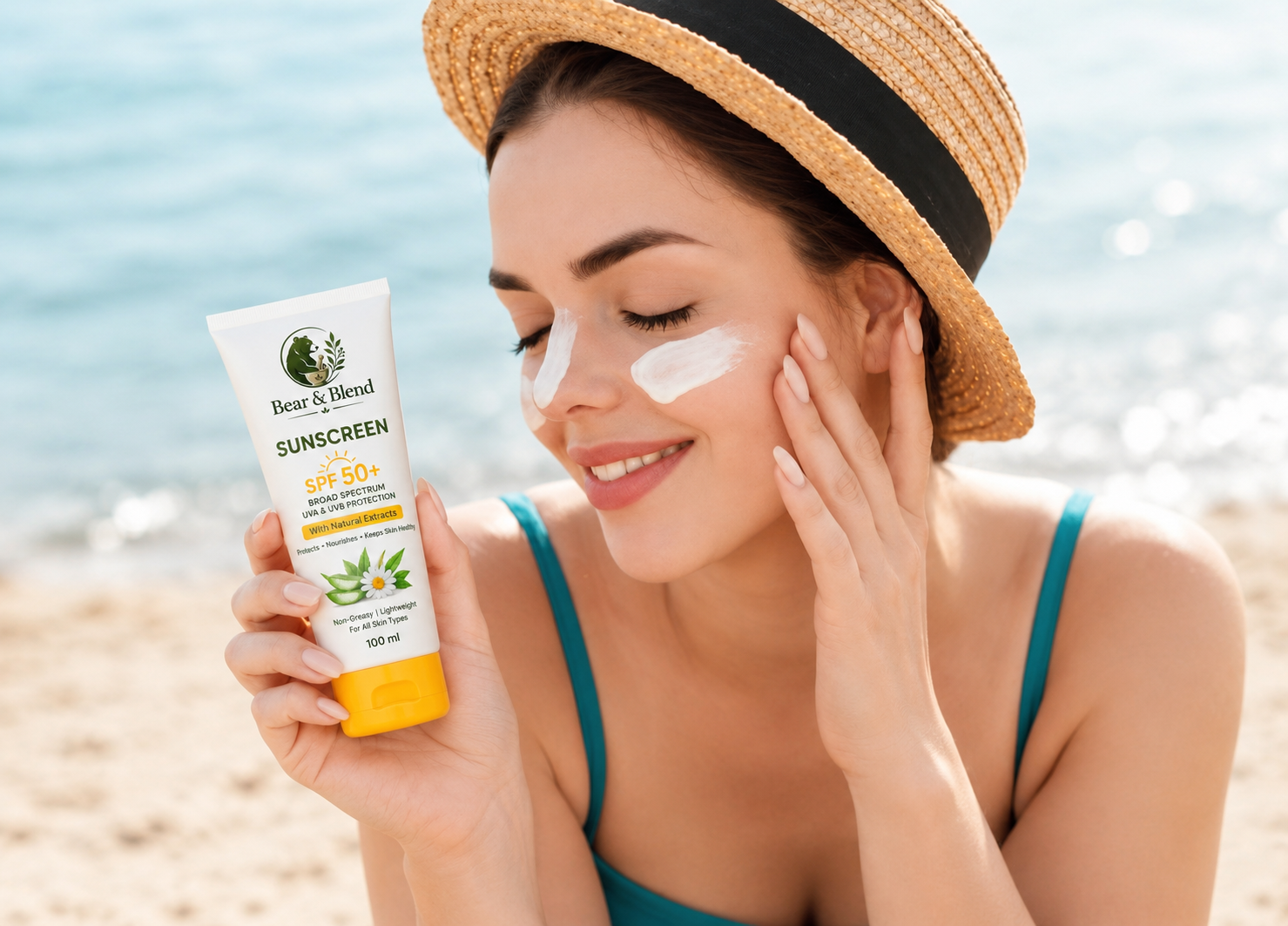
If you have oily or acne-prone skin, applying sunscreen often feels like choosing the lesser of two evils: either you risk painful acne flare-ups and grease-slick breakouts from heavy creams, or you skip SPF entirely and deal with severe tanning, pigmentation, and premature photoaging under the unforgiving Indian sun.
In a tropical country like India where temperatures routinely cross 40°C accompanied by high humidity and monsoon dampness, standard heavy creams or physical lotions suffocate your pores. Sebum production peaks, sweat gets trapped, and the dreaded white cast turns into a sticky mess. But skipping sunscreen is never an option. The solution doesn't lie in abandoning SPF—it lies in choosing scientifically formulated Gel and Water-Fluid Sunscreens equipped with targeted Silica Mattifiers and robust PA++++ ratings.
1. Why Traditional Sunscreens Clog Pores in Indian Climates
Most traditional western sunscreens are formulated for dry to normal skin types in temperate European or North American climates. They rely on heavy occlusive emollients, mineral oils, and thick waxes to lock in moisture.
When applied in humid Indian weather, these ingredients create an impermeable barrier over your skin. Trapped sweat and excess sebum mix with the sunscreen polymers, creating an ideal breeding ground for Propionibacterium acnes—the bacteria responsible for inflammatory acne, pustules, and blackheads. Furthermore, heavy sunscreens melt off within minutes of stepping outdoors, requiring constant reapplication that only worsens congestion.
The Indian Skin Dilemma
High humidity causes sweat glands to work overtime. Oily skin types need fast-absorbing, non-comedogenic textures that evaporate cleanly without leaving an oily residue or clogging pores.
2. Key Focus Area: Gel & Water-Fluid SPF Formulations
For oily and acne-prone skin, texture is everything. You should actively look for labels reading "Gel-based", "Water-fluid", or "Weightless Aqua".
• Rapid Absorption: Water and silicone elastomer-based gels break into a watery droplet upon contact with skin, sinking in within 10 seconds.
• Zero Grease: They replace heavy oils with volatile silicones or plant extracts that provide hydration without adding surface lipids.
• Non-Comedogenic Testing: Premium gel sunscreens available on Bear & Blend are dermatologically tested and certified not to clog pores.
3. Key Focus Area: Silica Mattifiers for Sebum Control
If your face turns into an oil slick by midday, sunscreens containing Silica or Polymethyl Methacrylate are your holy grail.
Silica acts as an invisible microscopic sponge. It absorbs excess sebum and sweat instantly upon application, leaving behind a velvety, natural matte finish. This eliminates unwanted shine, keeps makeup in place longer, and prevents the sun-baked greasy look common during peak Indian afternoons.
4. Key Focus Area: PA++++ Rating for Maximum UVA Defense
SPF (Sun Protection Factor) protects against UVB rays (which cause sunburns). However, PA ratings measure protection against UVA rays—the insidious rays that penetrate glass and clouds, causing deep tanning, stubborn pigmentation, and collagen breakdown.
In India's high-UV index environment, a PA++++ rating is non-negotiable. It offers extremely high UVA protection (blocking over 95% of UVA rays), ensuring your acne scars don't darken into permanent hyperpigmentation marks.
Pro-Tips for Applying Sunscreen on Acne-Prone Skin
1. The Two-Finger Rule: Squeeze two full lengths of sunscreen along your index and middle fingers to ensure adequate coverage for face and neck.
2. Layering Order: Apply your sunscreen as the final step of your morning skincare routine, right after lightweight serums and before makeup.
3. Double Cleanse Every Evening: Waterproof filters and sebum-absorbing silica require proper removal. Use a micellar water or cleansing balm followed by a gentle foaming cleanser every night.
The Bottom Line
Managing acne shouldn't mean sacrificing sun protection. By switching to a gel or water-fluid SPF 50 PA++++ enriched with silica mattifiers, you can enjoy clear, protected, and shine-free skin all year round—no matter how intense the Indian weather gets.