
Salicylic Acid vs. Niacinamide: Which is Better for Your Acne?
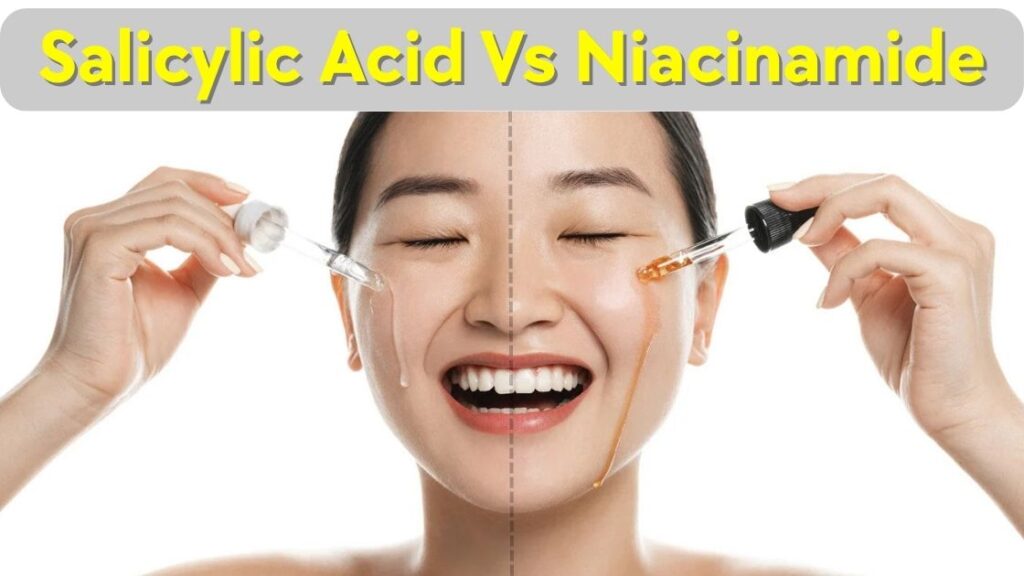
Table of Contents
1. The Acne Challenge in India
2. Deep Dive: Salicylic Acid (BHA)
3. Deep Dive: Niacinamide (Vitamin B3)
4. Head-to-Head Comparison Table
5. Can You Use Both Together?
If you have ever stood in front of a mirror wondering whether to buy a salicylic acid serum or a niacinamide bottle for your stubborn breakouts, you are certainly not alone. Across India’s humid tropical weather, high urban pollution, and stressful modern routines, acne and post-acne marks remain one of the most common skin concerns.
While both ingredients are hailed as absolute holy grails in modern skincare, they work in entirely different ways. Choosing the right one depends on whether you are fighting active, angry pimples or trying to heal dark spots and repair your skin barrier. Let us break down the Salicylic Acid vs. Niacinamide.
1. What is Salicylic Acid? (The Pore Clearer)
Salicylic Acid is a Beta Hydroxy Acid (BHA). Unlike Alpha Hydroxy Acids (AHAs) like glycolic acid which are water-soluble, BHA is oil-soluble. This unique chemical property allows it to bypass surface sebum, dive deep into your pores, and dissolve trapped oil, dead skin cells, and debris.
🫧 Oil Soluble
Penetrates deep into sebum-clogged pores to clear blackheads and whiteheads.
🔥 Anti-Inflammatory
Chemically related to aspirin, it rapidly calms redness and swelling of active acne.
Best suited for: Oily, acne-prone, and combination skin dealing with active pimples, blackheads, whiteheads, and enlarged pores.
2. What is Niacinamide? (The Skin Barrier Healer)
Niacinamide, also known as Vitamin B3, is a water-soluble vitamin that works as an all-rounder multivitamin for your skin. Rather than aggressively stripping oil or exfoliating like salicylic acid, niacinamide strengthens the skin's natural lipid barrier, regulates sebum production, and stops melanin from transferring to skin cells.
✨ Fades Dark Spots
Exceptional at reducing post-inflammatory hyperpigmentation (PIH) and acne marks.
🛡️ Barrier Protection
Boosts ceramide production, making skin less sensitive and more resilient.
Best suited for: All skin types (including sensitive and dry skin), acne marks, uneven skin tone, and mild sebum regulation.
3. Head-to-Head Comparison Table
🧪 Salicylic Acid vs. Niacinamide
1. Primary Function 🧪 Salicylic Acid: Exfoliates pores and dissolves sebum. 💧 Niacinamide: Supports the skin barrier and helps fade pigmentation.
2. Target Acne Type 🧪 Salicylic Acid: Active pimples, blackheads, and whiteheads. 💧 Niacinamide: Post-acne marks and mild breakouts.
3. Skin Type Suitability 🧪 Salicylic Acid: Oily and combination skin. 💧 Niacinamide: All skin types, especially sensitive skin.
4. Speed of Results 🧪 Salicylic Acid: Results vary depending on the skin and product. 💧 Niacinamide: Dark spots may take several weeks to improve.
4. Can You Use Both Together?
Yes, absolutely! In fact, dermatologists often recommend combining them because they complement each other perfectly. While Salicylic Acid clears out the congestion and kills acne bacteria, Niacinamide repairs the skin barrier and prevents post-blemish discoloration.
💡 How to Layer Safely in Your Routine:
Option A (AM/PM Split): Use a Niacinamide serum in your morning (AM) routine to control excess daytime sebum and protect against pollution, and use a Salicylic Acid cleanser or spot gel in your evening (PM) routine.
Option B (Alternate Days): Alternate nights between salicylic acid and niacinamide if you have sensitive skin to avoid irritation or over-exfoliation.
5. Lifestyle Tips for Indian Skin Facing Breakouts
• Sun Protection is Non-Negotiable: UV rays darken acne scars instantly. Always apply a non-comedogenic SPF 50 sunscreen during the day.
• Double Cleansing in Metro Cities: If you commute through traffic, dust and vehicle exhaust clog pores rapidly. Use a micellar water followed by a gentle cleanser.
• Stay Hydrated: Humid weather causes excessive sweating, which dehydrates your body internally. Drink at least 3 liters of water.