How to Lose Weight with PCOS?
A practical, India-friendly guide to sustainable weight management with polycystic ovary syndrome — without crash diets, food fear or unrealistic promises.
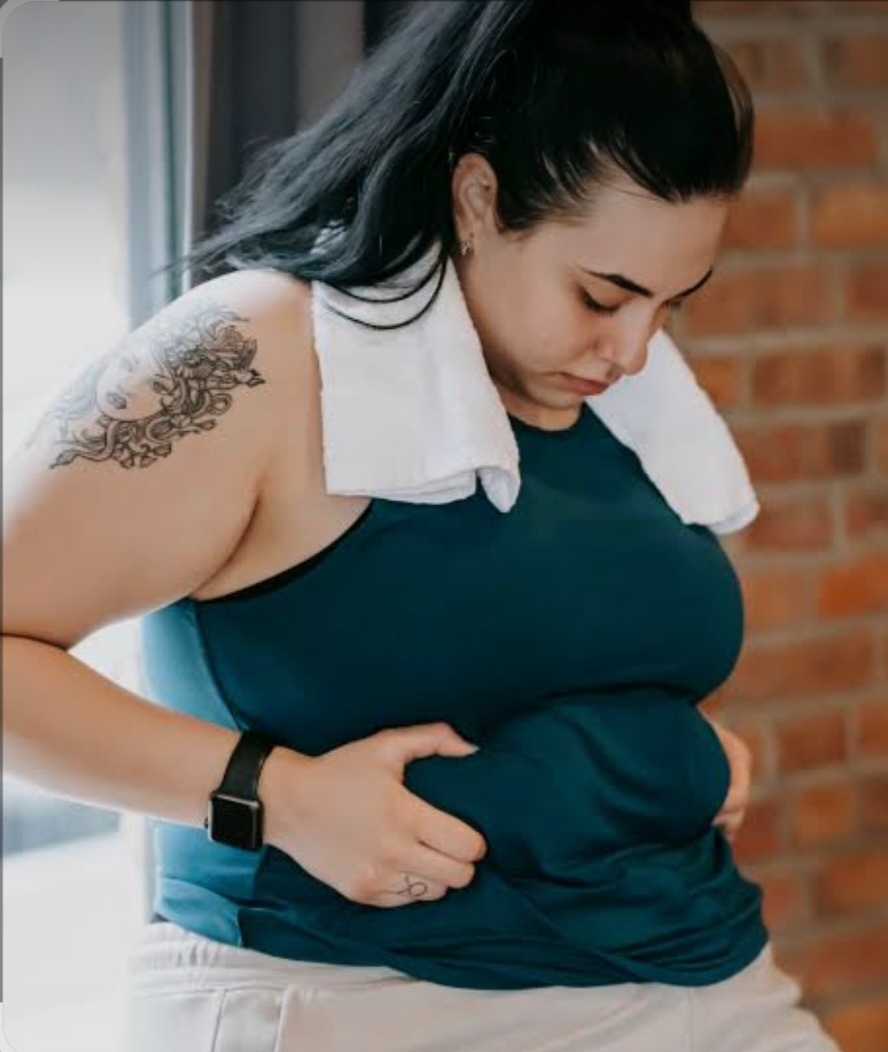
The core answer: If you have PCOS and weight loss is appropriate for you, the most evidence-supported approach is not a “PCOS-only” crash diet. Build a sustainable eating pattern, regular movement, strength training, adequate sleep and behavioural strategies around your own preferences, health needs and routine. The 2023 international PCOS guideline recommends lifestyle management for metabolic health and weight management, while noting that benefits can occur even without weight loss.
Why can weight loss feel harder with PCOS?
PCOS is a common hormonal condition associated with irregular ovulation, higher androgen activity and metabolic risks. It can occur at different body sizes, so having PCOS does not automatically mean that a person needs to lose weight.
For some women, weight management can be challenging because several factors can interact: insulin resistance, appetite and eating patterns, sleep problems, stress, activity levels, medications, genetics and the surrounding food environment. It is more accurate to think of these as interacting factors than to blame weight gain on a single “hormonal imbalance.”
The international guideline also emphasises avoiding weight stigma. A person's health and PCOS management should not be judged solely by the number on the scale.
Weight is one measure
Waist circumference, fitness, blood pressure, glucose, lipids, menstrual health and quality of life can also matter.
No magic PCOS diet
Current evidence does not show one diet composition is best for every woman with PCOS.
Movement matters
Exercise supports cardiometabolic health and can help with weight management, even when the scale changes slowly.
Start with the right goal
Before setting a target, ask: Do I actually need to lose weight? If you are not above your healthy weight, the goal may be maintaining your weight, improving fitness, supporting metabolic health and preventing future weight gain rather than pursuing weight loss.
If you have excess weight and want to lose it, aim for a gradual, sustainable change rather than a deadline-driven transformation. The 2023 guideline recommends a tailored energy deficit when weight loss is a goal, taking individual energy requirements, body weight and activity into account.
Better progress markers: easier walking, improved strength, better sleep, a healthier waist measurement, more consistent meals, improved blood pressure or blood-test results, and feeling more energetic can all be meaningful — even if your weight is moving slowly.
How to eat for weight management with PCOS
There is no requirement to remove rice, roti, fruit or other carbohydrate foods simply because you have PCOS. The goal is a balanced pattern that is nutritious, satisfying and realistic enough to follow for months and years.
ICMR-NIN's Dietary Guidelines for Indians 2024 emphasise dietary diversity, vegetables, fruits, whole grains/millets, pulses or beans, nuts/seeds and milk/curd, while limiting foods high in fat, sugar and salt and avoiding excessive ultra-processed foods. These principles can be adapted to PCOS without turning them into a rigid “PCOS diet.”
Build meals around four anchors
Protein: dal, chana, rajma, eggs, fish, chicken, tofu, paneer or unsweetened curd, according to preference.
Vegetables: make vegetables a regular part of lunch and dinner; include leafy greens when practical.
High-fibre carbohydrates: whole-wheat roti, oats, brown rice, millets or other minimally processed grains can fit.
Healthy fats: nuts, seeds and sensible amounts of cooking oils.
What should an Indian PCOS-friendly day look like?
Think in terms of combinations rather than “good” and “bad” foods. You do not have to stop eating traditional Indian foods to manage PCOS.
Breakfast:Vegetable besan chilla + curd; eggs + vegetable roti; oats with nuts/seeds and plain curd; idli + sambar + vegetables.Include protein/fibre rather than relying mainly on refined carbohydrates.
Lunch:roti or rice + dal/rajma/chana + sabzi + salad + curd; or a similar non-vegetarian plate with fish/chicken/egg.Combine carbohydrate with protein and plenty of vegetables.
Snack:fruit + nuts; roasted chana; plain curd; sprouts; unsweetened tea/coffee with a balanced snack if hungry.Choose satisfying foods instead of frequent sugary drinks and packaged snacks.
Dinner:Roti + paneer/tofu/egg/fish/chicken + vegetables; dal + vegetables + a sensible cereal portion.Keep the meal balanced and match portions to hunger and energy needs.
What about sugar?
You do not need to label all sugar as the cause of PCOS. However, frequent sugar-sweetened drinks, sweets and highly processed snack foods can make it easier to consume more energy than you need. Water, unsweetened beverages and whole fruit are generally more useful everyday choices than sugary drinks or fruit juice.
Do I need a low-carb or keto diet?
Not necessarily. The 2023 PCOS guideline states that there is not enough evidence to recommend one diet composition as superior to another for PCOS outcomes. A sustainable diet that you can follow consistently is more important than choosing a fashionable label.
Exercise for PCOS: what actually helps?
Choose activities you can repeat. Brisk walking, cycling, swimming, dancing, yoga, home workouts and gym-based training can all be useful. For overall adult health, public-health guidance commonly recommends at least 150 minutes of moderate-intensity aerobic activity per week plus muscle-strengthening activity on at least two days; your appropriate starting point may be lower if you are currently inactive.
Walking
Start with manageable sessions and gradually build duration or pace. Short walks still count toward your activity total.
Strength training
Use bodyweight, resistance bands or weights. Begin with safe technique and progress gradually.
Yoga & mobility
Useful for movement, flexibility and relaxation. Treat it as part of a wider activity routine, not a “hormone cure.”
A simple beginner week
Monday: 20–30 min brisk walk + 10–15 min basic strength
Tuesday:20–30 min comfortable walk + mobility
Wednesday:Strength training: full body, beginner level
Thursday:Easy walk, cycling or another enjoyable activity
Friday:Brisk walk + strength training
Saturday:Longer enjoyable activity: walking, dance, swimming or sport
Sunday :Recovery, gentle stretching and normal daily movement
Sleep, stress and daily habits matter
Weight management is not only about food and exercise. Sleep, stress, mood, work schedules, family routines and the ability to access healthy food all influence whether a plan is sustainable. PCOS is also associated with mental-health and sleep concerns, so these should not be treated as afterthoughts.
Protect sleep
Keep a regular sleep schedule and address persistent snoring, daytime sleepiness or suspected sleep apnoea with a clinician.
Reduce all-or-nothing thinking
One high-calorie meal does not ruin progress. Return to your normal routine at the next meal.
Track useful habits
Track steps, workouts, meals or sleep if it helps you. Stop tracking if it increases anxiety or disordered eating.
Common PCOS weight-loss mistakes
Crash dieting: very restrictive plans may be difficult to sustain and can compromise nutritional adequacy.
Cutting all carbohydrates: there is no need to ban rice, roti or fruit simply because you have PCOS.
Only doing cardio: include resistance training when appropriate to support muscle and function.
Chasing a “hormone-balancing” food: no single food can treat PCOS or guarantee weight loss.
Using the scale as the only score: consider waist, strength, fitness, symptoms, metabolic health and wellbeing too.
Copying someone else's calorie target: energy needs are individual; a very low intake may be unsafe or inappropriate.
Ignoring mental health: body image concerns, anxiety, depression and disordered eating deserve professional attention.
When should you talk to a doctor or dietitian?
Professional support is particularly useful if your periods are very irregular or absent, you are trying to conceive, you have signs of diabetes or high blood pressure, you suspect sleep apnoea, you have rapid unexplained weight change, or lifestyle changes are not working as expected.
PCOS management can also involve medicines for specific symptoms or metabolic risks. Medication decisions should be individualised with a qualified clinician. Do not stop, start or change prescription medicines because of an online article.
Important: PCOS is not something you “fail” to manage because weight loss is slow. The aim is better long-term health, not punishment for a number on the scale.
The Bear & Blend takeaway
How to lose weight with PCOS? Start by removing the idea that you need a perfect PCOS diet. Build a routine you can actually live with: balanced Indian meals, adequate protein and fibre, regular walking or other aerobic activity, strength training, enough sleep and realistic goals.
And remember: health improvements do not require dramatic weight loss. Current international guidance recognises benefits from healthy lifestyle behaviours even when the scale does not change.
How can I lose weight with PCOS?
Use a sustainable eating pattern, regular physical activity, strength training, adequate sleep and behavioural strategies. If weight loss is appropriate for you, a doctor or dietitian can help tailor the plan to your energy needs and medical history.
Is there a special PCOS diet?
No single diet composition has been proven best for all PCOS outcomes. The current international guideline supports sustainable healthy eating tailored to personal preferences and goals.
Can I eat rice if I have PCOS?
Yes. Rice can be part of a balanced Indian diet. Consider portion size and pair it with protein, vegetables and other fibre-rich foods rather than treating rice as a forbidden food.