
How to Use Retinol for Beginners? Your Ultimate Indian Skincare Guide
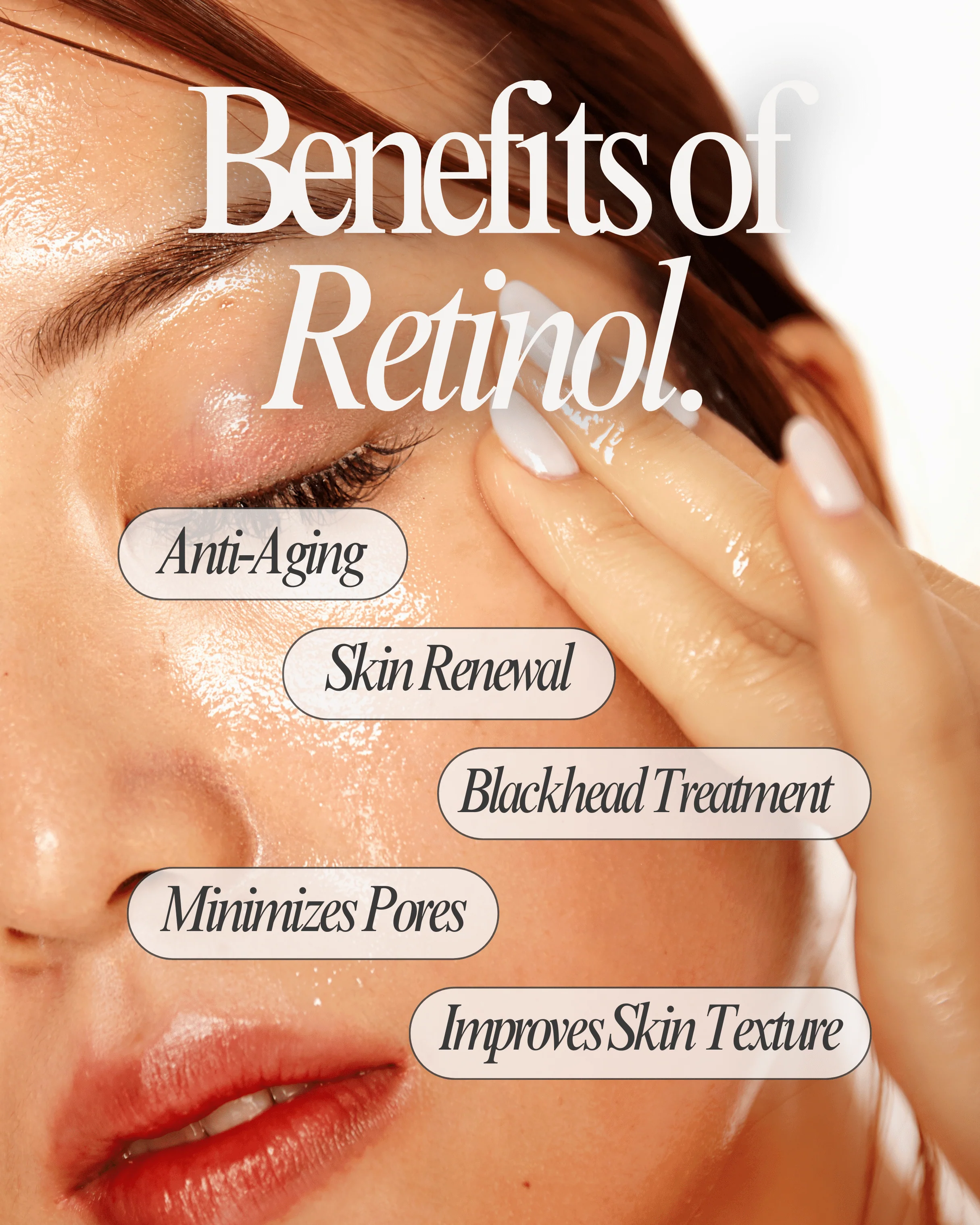
Table of Contents
> 1. Why Indian Skin Needs Retinol
> 2. Starting Out: 0.1% to 0.3% Strength
> 3. The Holy Grail: Sandwich Technique
> 4. Night-Only & AM SPF 50 Rule
> 5. Common Beginner Mistakes
> 6. Recommended Bear & Blend Picks
1. Why Indian Skin Needs a Tailored Retinol Approach
If you've spent any time scrolling through global skincare TikTok or Instagram, you’ve likely seen 1% retinol serums hailed as holy grails. But here is the golden rule for Indian skin and our unique tropical climate: What works in London or New York doesn't automatically translate to Mumbai, Delhi, or Bengaluru.
Indian skin tones (Fitzpatrick skin types III to V) are naturally more prone to post-inflammatory hyperpigmentation (PIH) and melanin overproduction when irritated. Combined with high urban pollution, intense UV index levels year-round, and humid monsoons or dry winters, our skin barriers face continuous environmental stress. Retinol—a gold-standard derivative of Vitamin A—is exceptional for collagen production, smoothing fine lines, clearing clogged pores, and fading stubborn pigmentation. However, introducing it incorrectly can lead to irritation, flaking, and darker spots instead of glow.
2. The Golden Rule: Start Low with 0.1% to 0.3% Retinol
One of the biggest blunders beginners make is rushing to high-potency formulations. Dermatologists strongly advise that first-time users begin with a low concentration of 0.1% to 0.3% retinol.
• Why 0.1%–0.3%? This concentration allows your skin receptors (cellular retinoic acid receptors) to adapt gradually without triggering severe inflammation or retinoid dermatitis.
• The Retinization Phase: During the first 2 to 4 weeks, your skin may experience mild dryness or flaking as cell turnover accelerates. Starting low keeps this manageable and painless.
• Frequency Matters: Apply only 2 nights a week for the first two weeks. Gradually increase to every alternate night over month two, and nightly only when your skin builds complete tolerance.
ℹ️ Bear & Blend Expert Tip
"Patience is your best skincare ingredient. Retinol is a marathon, not a sprint. Visible results in skin texture and clarity typically manifest after 8 to 12 weeks of consistent, gentle use."
3. The Secret Weapon: The "Sandwich Technique"
If you have sensitive skin or are terrified of the dreaded retinol peel, the Sandwich Technique is your absolute best friend. This method buffers the penetration of retinol while keeping your skin deeply hydrated.
Layer 1 (Bottom)
Apply a thin, lightweight hydrating moisturizer on clean, dry skin
Layer 2 (Middle)
Apply a pea-sized amount of 0.1%–0.3% retinol serum gently across the face.
Layer 3 (Top)
Seal it in with another layer of barrier-repair moisturizer.
4. Night-Only Application + Non-Negotiable AM SPF 50
Retinol is photolabile—meaning sunlight degrades its molecular structure, rendering it ineffective. Worse yet, fresh skin cells brought to the surface by retinol are highly sensitive to UV rays.
• Night Only: Always incorporate retinol exclusively in your evening PM routine after double cleansing.
• AM SPF 50 is Mandatory: Even if it's cloudy outside or you're staying indoors near a window, applying a broad-spectrum SPF 50 sunscreen every single morning is non-negotiable. For Indian skin prone to UV-induced tanning and hyperpigmentation, skipping sunscreen while using retinol will undo all your skincare gains.
5. Common Beginner Mistakes to Avoid
⚠️ Layering with AHAs/BHAs (Glycolic/Salicylic Acid)
Never use exfoliating acids on the same night as retinol. Alternate nights or use acids in the morning and retinol at night with caution.
⚠️ Applying on Damp Skin
Unlike hyaluronic acid, retinol should be applied on completely dry skin to prevent deep, excessive penetration that causes redness.
⚠️ Using Too Much Product
A pea-sized drop is enough for your entire face. More product does not equal faster results; it only increases irritation.
Frequently Asked Questions
Can I use Vitamin C in the morning if I use Retinol at night?
Yes! Pairing Vitamin C in your morning routine with Retinol at night is an incredible powerhouse routine. Vitamin C defends against daily pollution and UV stress, while retinol repairs and rejuvenates overnight.
What should I do if my skin starts peeling or turning red?
If you experience peeling or redness, pause retinol use for 4 to 5 days. Focus entirely on skin barrier repair using gentle cleansers, ceramides, and hydrating aloe vera gels. Resume using the sandwich technique only after your skin is fully calm.
Can teenagers or pregnant women use retinol?
Retinol is generally recommended for adults starting in their mid-20s or older for anti-aging and texture refinement. Pregnant or breastfeeding women should strictly avoid retinoids and consult their dermatologist for safe alternatives like bakuchiol.