How to Reduce Pigmentation and Dark Spots: The Complete Science-Backed Guide for Indian Skin
Dealing with stubborn dark spots, acne scars, and uneven skin tone can feel like an endless uphill battle. If you live in India, you already know the unique hurdles our skin faces: intense UV radiation year-round, high pollution levels in metropolitan cities, heat, and humidity that can trigger excessive melanin production.
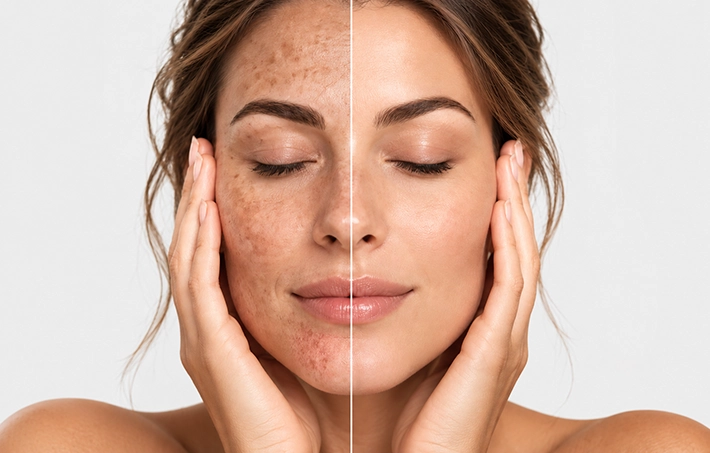
Hyperpigmentation—whether it manifests as post-inflammatory hyperpigmentation (PIH) from breakouts, melasma, or sun spots—occurs when specialized skin cells called melanocytes overproduce melanin. While makeup can temporarily conceal these imperfections, true transformation requires understanding the root cause and utilizing scientifically proven dermatological actives.
Bear & Blend Insight: At Bear & Blend, we believe that achieving healthy, glowing skin isn't about altering your natural complexion; it's about restoring skin barrier health, repairing sun damage, and balancing pigmentation safely and sustainably.
Understanding Indian Skin & Pigmentation Triggers
Indian skin typically falls under Fitzpatrick skin phototypes III to V, meaning it contains higher amounts of natural melanin. While melanin offers natural photoprotection against sunburns, it also makes our skin hyper-reactive to trauma, inflammation, and UV exposure. When a pimple, cut, or scratch heals, or when skin is exposed to harsh sunlight without broad-spectrum protection, melanocytes go into overdrive, depositing excess pigment deep into the epidermal and dermal layers.
To successfully fade these spots without causing irritation or rebound hyperpigmentation, you need precise, targeted active ingredients. Let's examine the four powerhouse actives that dermatologists swear by.
🛡️ 1. Alpha Arbutin
Gentle Brightener
What it is: A natural derivative of hydroquinone extracted from the bearberry plant, Alpha Arbutin works by safely releasing hydroquinone slowly through enzymatic hydrolysis in the skin, inhibiting tyrosinase—the key enzyme responsible for melanin production.
Why it works for Indian skin: Unlike raw hydroquinone, which can cause severe side effects and ochronosis with prolonged unsupervised use, Alpha Arbutin is remarkably gentle, non-irritating, and suitable for sensitive and acne-prone Indian skin types
Ideal Concentration
1% to 2% in serums or creams
Best Paired With
Hyaluronic Acid or Vitamin
⚡ 2. Kojic Acid
Dark Spot Eraser
What it is: A natural byproduct derived from malted rice and various fungi during the fermentation process of sake (Japanese rice wine). Kojic acid chelates copper ions in tyrosinase, effectively halting melanin synthesis at its source.
Why it works for Indian skin: It is exceptional at fading deep-set sun spots, age spots, and stubborn post-acne marks commonly left behind by cystic acne breakouts. It brightens overall complexion and brings back natural radiance.
Ideal Concentration
1% to 2% (often combined with Vitamin C)
Best Paired With
Niacinamide or soothing moisturizers
3. Tranexamic Acid
The Melasma Specialist
What it is: Originally a medication used to control bleeding, Tranexamic Acid was discovered to have phenomenal skin-brightening properties. It interferes with the pathway between keratinocytes and melanocytes, blocking UV-induced pigment activation.
Why it works for Indian skin: Melasma and stubborn hormone-induced pigmentation are notoriously difficult to treat. Tranexamic Acid is uniquely effective at tackling deep dermal melasma and calming vascular components associated with stubborn dark patches.
Ideal Concentration
2% to 5%
Best Paired With
Kojic Acid or Alpha Arbutin
🌱 4. Azelaic Acid
Multi-Tasking Marvel
What it is: A naturally occurring dicarboxylic acid found in grains like barley, wheat, and rye. It possesses powerful anti-inflammatory, antibacterial, and tyrosinase-inhibiting properties.
Why it works for Indian skin: In India, acne and pigmentation usually go hand-in-hand. Azelaic Acid kills acne-causing bacteria while selectively targeting hyperactive melanocytes, making it the ultimate 2-in-1 solution for acne scars and rosacea-prone skin.
Ideal Concentration
10% (OTC) to 15% - 20% (Rx)
Best Paired With
Aloe Vera or gentle hydrating gels
Building Your Daily Anti-Pigmentation Routine
Consistency is the secret to seeing visible results. Here is how you can incorporate these powerhouse actives into a simple, balanced routine tailored for Indian weather:
1. Morning Cleanse: Start your day with a gentle, purifying cleanser (like a Neem & Aloe Vera wash) to clear impurities without stripping natural oils.
2. Targeted Treatment Serum: Apply a lightweight serum featuring Alpha Arbutin and Tranexamic Acid on clean, dry skin.
3. Moisture & Barrier Protection: Lock in hydration using a soothing gel or lightweight lotion.
4. Sunscreen (Non-Negotiable): Finish with a broad-spectrum SPF 50 sunscreen. Skipping sunscreen instantly undoes all progress made by your pigment-correcting actives.
5. Evening Routine: Cleanse, apply an Azelaic Acid or Kojic Acid treatment cream to dark spots, and finish with a nourishing night cream.
Expert Tip: Skin cell turnover takes approximately 28 to 45 days depending on age. Give your routine at least 6 to 8 weeks of consistent daily application before expecting dramatic reductions in dark spots.
Conclusion
Fading pigmentation doesn't require harsh bleaching creams or complicated 10-step regimens. By harnessing the proven scientific power of Alpha Arbutin, Kojic Acid, Tranexamic Acid, and Azelaic Acid, you can safely interrupt melanin overproduction, heal acne scars, and achieve a luminous, even-toned complexion. Explore authentic wellness and personal care essentials at Bear & Blend to start your clear skin journey today!