
How Can I Lower Blood Sugar Naturally at Home?
There is no safe home remedy that can reliably “flush out” or instantly cure high blood sugar. The most useful at-home steps are to follow your prescribed diabetes treatment, choose balanced portions of high-fibre foods, stay hydrated, move regularly, sleep well, manage stress and monitor your glucose as advised.
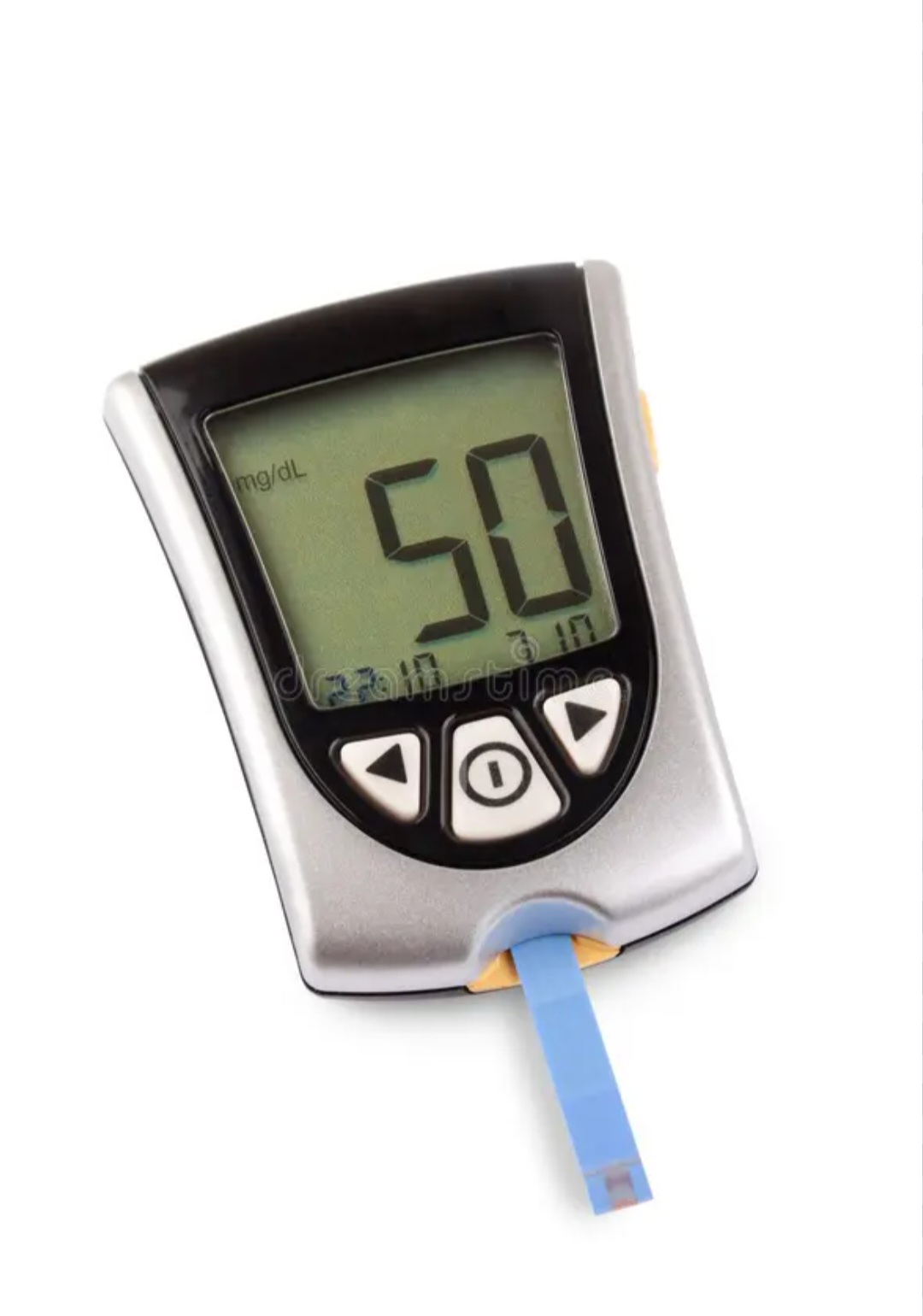
What should I do first when my blood sugar is high?
If a home glucose reading is higher than your usual target, do not panic and do not try an extreme fasting or “detox” remedy. Recheck according to the monitoring plan given by your healthcare professional, drink water if you are able to, and follow your prescribed diabetes medicines exactly as directed.
For many adults with diabetes, common glucose targets are around 80–130 mg/dL before a meal and below 180 mg/dL two hours after the start of a meal, but individual targets can differ. Your own clinician’s target should take priority.
Choose water
Prefer water or unsweetened drinks instead of sugary beverages, sweetened tea/coffee, soft drinks or fruit juice.
Do not self-adjust medicines
Do not stop, double or change insulin/tablets because of one high reading unless your healthcare team has given you a correction plan.
Move safely
A gentle walk can help many people manage glucose. If glucose is very high or ketones are present, follow medical advice instead of exercising.
Look for a pattern
Record readings with meals, activity, sleep and medicines. Repeated highs are more useful for changing a care plan than one isolated result.
1. Build a blood-sugar-friendly Indian plate
You do not have to give up Indian food to manage blood sugar. The goal is to improve portion size, carbohydrate quality and meal balance. Carbohydrate foods such as rice, roti, potatoes, poha and sweets can raise blood glucose; pairing carbohydrate with fibre, protein and other nutrient-rich foods can help slow the rise.
A practical Indian plate
½ plate: non-starchy vegetables such as लौकी (bottle gourd), bhindi, cauliflower, cabbage, beans, spinach or mixed vegetables.
¼ plate: protein such as dal, chana, rajma, sprouts, curd, paneer/tofu, eggs, fish or lean meat as appropriate.
¼ plate: a measured portion of carbohydrate such as roti, brown/basmati rice, millets, oats or other whole-grain choices.
Small changes that can make everyday meals better
Choose whole or minimally processed foods more often.
Reduce sugary drinks, sweets, biscuits, bakery foods and heavily refined snacks.
Prefer whole fruit over juice; portion still matters because fruit contains carbohydrate.
Do not assume “brown,” “multigrain,” “millet” or “jaggery” automatically means unlimited or blood-sugar neutral.
Use the amount of rice/roti that fits your personal carbohydrate plan rather than eliminating carbohydrates completely.
2. Take a walk and break up long sitting periods
Regular physical activity improves insulin sensitivity and can help lower blood glucose. You do not need an expensive gym membership. Walking, household activity, cycling, dancing or other suitable movement can count.
A simple starting habit is a 10-minute walk after dinner, then gradually build toward your weekly activity goal. Many adults with diabetes are advised to work toward at least 150 minutes of moderate-intensity activity per week, adjusted for their health and fitness level.
Important: If you use insulin or medicines that can cause low blood sugar, exercise can sometimes make glucose fall too low. Ask your healthcare professional how to check glucose and whether you need food or medication adjustments around activity.
3. Stay hydrated, sleep well and manage stress
Hydration
Water is the default choice. Avoid using fruit juice, sugary drinks or “detox” beverages as a treatment for high blood sugar.
Sleep
Make adequate, regular sleep part of your diabetes routine. Poor sleep can make healthy eating, activity and glucose management harder.
Stress management
Stress can affect glucose levels. Try a short breathing practice, prayer/meditation, a calm walk or another routine that helps you unwind.
Avoid tobacco
Quitting tobacco supports overall cardiovascular health and is an important part of diabetes care.
A simple 24-hour routine
Morning: check glucose if your care plan calls for it; choose a balanced breakfast.
Meals: keep portions consistent and include vegetables + protein + a measured carbohydrate portion.
After meals: add a short, comfortable walk when appropriate.
All day: drink water and avoid sugary beverages.
Evening: choose a lighter, balanced dinner and avoid large late-night portions.
Every day: take prescribed medicines, sleep adequately and record recurring glucose patterns.
5. What about karela, methi, cinnamon and “detox” drinks?
These foods and spices can be part of a normal Indian diet, but they should not be presented as a substitute for proven diabetes treatment. Evidence is not strong enough to recommend a home ingredient as a reliable way to rapidly lower a high glucose reading.
In particular, do not delay medical care because someone recommends karela juice, fenugreek water, cinnamon, apple-cider vinegar or another “natural cure.” Natural does not automatically mean safe, effective or appropriate with diabetes medicines.
Remember: The goal is not to make your blood sugar as low as possible. The goal is to keep it in the range recommended for you and avoid both high and low blood sugar.
6. When should high blood sugar be treated as urgent?
High blood sugar can sometimes be managed by following your established diabetes plan, but very high glucose can become dangerous—especially during illness or when insulin is insufficient.
Seek urgent medical help if high glucose is accompanied by vomiting, abdominal pain, rapid/deep breathing, fruity-smelling breath, marked drowsiness, confusion, difficulty staying awake, or high ketones. These can be warning signs of diabetic ketoacidosis (DKA), a medical emergency.
If you are sick and your blood glucose is around 240 mg/dL or higher, diabetes guidance recommends checking for ketones when appropriate. If ketones are present, do not exercise unless your healthcare professional has specifically advised you how to manage that situation.
If you repeatedly get readings above your personal target, or you have symptoms such as excessive thirst, frequent urination, weakness or blurred vision, contact your healthcare professional. If you have not been diagnosed with diabetes but repeatedly get high readings, arrange a medical evaluation rather than treating yourself at home.
The safest way to lower and control blood sugar naturally at home is to build consistent habits—not chase a quick fix. Focus on balanced Indian meals, sensible carbohydrate portions, regular walking and activity, water instead of sugary drinks, adequate sleep, stress management and glucose monitoring. If you take diabetes medicines, continue them as prescribed and work with your healthcare team when your readings stay high.
Bear & Blend Health Note
This article is for general education and is written for an Indian audience. It does not diagnose diabetes or replace advice from a qualified doctor, diabetes educator or registered dietitian. Individual glucose targets and meal/activity plans vary with age, pregnancy, medicines, kidney/heart health and other factors.