
How Can I Improve My Digestion and Gut Health Naturally?
A practical, India-focused guide to better digestion through everyday food, hydration, movement, mindful eating, sleep and healthy routines—without relying on a magic fix
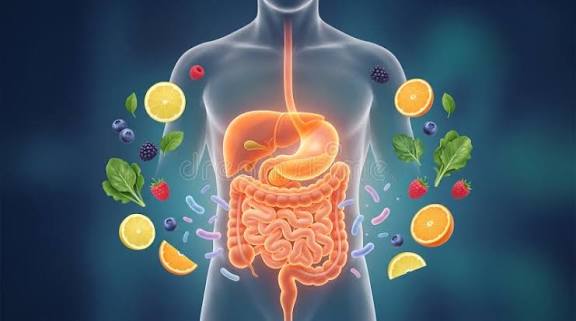
How Can I Improve My Digestion and Gut Health Naturally?
🥦🥕🍎🫘🌾Whole foods for a happier gut
Good digestion is less about finding one “superfood” and more about the pattern of your everyday life. A varied, fibre-rich diet, adequate fluids, regular movement, sensible meal habits, enough sleep and stress management can all support normal digestive function.
Your digestive system works continuously to break down food, absorb nutrients and move waste through the body. Occasional gas, bloating or changes in bowel habits can happen to anyone. But if digestive symptoms are frequent, severe or persistent, the right approach is to look for the underlying cause rather than simply masking the symptoms.
Key idea: “Gut health” is not a single test or a single food. It is about supporting the normal function of your digestive system and, as part of that, maintaining a healthy and diverse gut environment.
What does “gut health” actually mean?
The gut contains a large community of microorganisms, often called the gut microbiome. These microbes interact with the food you eat and with your intestinal environment. A varied diet—especially one containing different plant foods—helps provide the fibre and other compounds that support a healthy gut ecosystem.
At the same time, digestion is influenced by much more than food. Physical activity, sleep, stress, hydration, medications, infections and individual food intolerances can all affect how your digestive system feels.
10 natural habits for better digestion
1. Increase fibre graduallyChoose whole grains, pulses, vegetables, fruits, nuts and seeds.
2. Drink enough fluidsHydration helps normal bowel function, especially when fibre intake rises.
3. Eat more plant varietyRotate different vegetables, fruits, dals, grains, nuts and seeds through the week.
4. Eat slowlyChew properly and give yourself time rather than rushing through meals.
5. Move every dayWalking and regular physical activity support overall health and bowel movement.
6. Respect your bowel signalsDo not repeatedly ignore the urge to pass stool.
7. Include traditional fermented foodsCurd and naturally fermented foods can fit into a balanced diet for many people.
8. Limit ultra-processed foodsMake minimally processed, home-prepared foods the foundation of most meals.
9. Manage stressThe brain and digestive system communicate closely; relaxation matters.
10. Protect your sleepA regular sleep routine supports overall physical and mental well-being.
1. Make fibre a daily priority—but increase it slowly
Fibre is one of the most useful nutrients for normal bowel function. It is found naturally in plant foods and includes different types that behave differently in the digestive tract.
For an Indian diet, practical sources include dal, chana, rajma, lobia, whole-wheat atta, oats, millets such as ragi, jowar and bajra, vegetables, fruits, nuts and seeds.
If your current diet is low in fibre, do not suddenly add large amounts. A rapid increase can cause gas and bloating. Increase portions gradually over one to two weeks and drink enough fluids alongside the change.
🥬🫘🌾🥕🍌Fibre-rich Indian foods
A variety of vegetables, fruits, pulses and whole grains can make a fibre-rich Indian diet practical and affordable.
Easy Indian fibre swaps
Choose whole-wheat roti more often instead of refined-flour breads.
Use millets such as ragi, jowar or bajra as part of a varied diet.
Add a serving of dal, chana, rajma or other pulses to meals.
Choose whole fruit more often than fruit juice.
Add vegetables to dal, sabzi, poha, upma, khichdi or other familiar meals.
Use nuts and seeds in sensible portions if they suit you.
2. Hydrate consistently
💧🥛🍋🥥Hydrate through the day
Water, nimbu pani, chaas and coconut water can all contribute to daily fluids.
Water is important for normal body functions and bowel health. There is no single fluid requirement that fits every adult: needs vary with body size, diet, activity, illness and especially the weather.
For people living in India's hot and humid conditions, fluid needs can rise with sweating and physical activity. Keep safe drinking water available and drink regularly rather than waiting until you are extremely thirsty.
Important: If you have kidney, heart or another medical condition for which you have been told to restrict fluids, follow your clinician's advice instead of applying a general hydration target.
3. Include suitable fermented foods
Traditional Indian diets already contain many fermented foods. Examples include curd (dahi), buttermilk (chaas), idli, dosa and dhokla made with naturally fermented batter. Fermentation can change the food's texture, flavour and digestibility and may introduce live microorganisms depending on how the food is prepared and stored.
However, “probiotic” does not mean every fermented food will treat a digestive disorder. Benefits depend on the food, the microorganisms present and the individual. If dairy causes symptoms because of lactose intolerance or another condition, choose foods you tolerate instead.
🥛🍚🥣Curd, idli and buttermilk
Plain curd can be one familiar way to include a fermented food in an Indian diet, provided you tolerate dairy.
4. Eat mindfully and slow down
🍛🥗🥄Eat slowly, chew well
Sitting down and eating without rushing supports comfortable digestion.
Digestion begins before food reaches the stomach. Smelling, seeing and thinking about food can prepare the digestive system for eating. When you eat extremely quickly, it is also easier to swallow large bites or eat beyond comfortable fullness.
Sit down for meals whenever possible.
Chew food properly instead of rushing.
Minimise distracting screens during at least one meal a day.
Notice fullness and stop when comfortably satisfied.
If a particular food repeatedly causes symptoms, keep a simple food-and-symptom note rather than eliminating many foods at once.
5. Give your digestive system a regular routine
Irregular schedules can make it harder to notice patterns in hunger and bowel habits. You do not need to eat at exactly the same minute every day, but a reasonably consistent routine can make healthy habits easier to maintain.
For bowel regularity, respond to the natural urge to pass stool rather than repeatedly postponing it. A calm morning routine, adequate time and privacy can be helpful.
6. Move your body every day
Regular physical activity supports overall health and can help maintain normal bowel movement. You do not need an intense workout. Walking, cycling, yoga, stretching, household activity and sports can all contribute to an active day.
A simple starting point is a 10–20 minute walk after a meal or during a work break, gradually building your overall activity according to your fitness and medical needs.
🚶♀️🌳☀️A short daily walk
Regular walking is a simple, low-cost habit that can fit into many Indian work and family routines.
7. Make minimally processed foods the foundation
Not every packaged food is unhealthy, and you do not need to ban your favourite foods. The bigger goal is to make everyday meals predominantly based on nutritious, minimally processed foods.
Frequent deep-fried snacks, sugary drinks, highly refined foods and very large meals may not suit everyone, particularly when they replace fibre-rich whole foods. Notice your own symptoms and overall eating pattern rather than blaming one ingredient for every digestive problem.
8. Look after the gut–brain connection
🧘🌿🕊️Calm mind, calmer gut
Yoga, breathing exercises and quiet time can help ease stress.
Your digestive system and brain communicate constantly through nerves, hormones and other biological pathways. Stress can affect gut movement and how strongly you perceive digestive sensations. That does not mean symptoms are “all in your head”—the interaction is real and physical.
Try a few minutes of slow breathing, meditation, prayer, yoga, a quiet walk or another calming activity that fits your beliefs and routine. Managing stress will not cure every digestive condition, but it is a useful part of whole-person health.
9. Prioritise sleep
🌙😴🛏️Sleep supports well-being
A regular sleep routine supports healthy habits the next day.
Good sleep supports physical and mental well-being. A late-night routine, irregular sleep and excessive screen exposure can make it harder to maintain healthy habits the next day.
Keep your sleep and wake times reasonably consistent.
Create a short wind-down period before bed.
Limit unnecessary screen stimulation late at night.
Avoid very heavy meals immediately before lying down if they trigger discomfort.
A simple Indian day for better digestive habits
This is a flexible example—not a prescription. Portions should be adjusted for age, activity, medical conditions and individual energy needs.
Morning
Water + a balanced breakfast such as vegetable poha/upma, oats, idli or dosa with suitable accompaniments.
Mid-morning
A whole fruit that you tolerate, such as guava, papaya, orange, apple or banana.
Lunch
Roti or rice + dal/pulses + cooked vegetables + curd if tolerated.
Evening
Water and a simple snack such as fruit, roasted chana or a small portion of nuts/seeds.
Dinner
A comfortable portion of roti/rice or khichdi + vegetables + a suitable protein source.
Across the day
Regular fluids, movement breaks and enough time to eat without constantly rushing.
Common gut-health mistakes to avoid
“One food will clean my gut.”
Your digestive system does not need a “detox” product to clean itself. Your liver, kidneys and gastrointestinal tract already perform important roles in processing and eliminating waste. Focus on sustainable habits instead of extreme cleanses.
“More fibre is always better.”
Not necessarily. Too much fibre too quickly can increase gas and bloating. Individual tolerance matters, and some digestive conditions require personalised dietary advice.
“Everyone should take probiotics.”
No. Probiotics are not one universal treatment, and different strains have different evidence for different conditions. Food-first nutrition is a sensible foundation, while persistent symptoms should be assessed professionally.
“Spicy food is bad for everyone's gut.”
Spices are a normal part of Indian cuisine and do not automatically damage digestion. But very spicy, oily or large meals can trigger symptoms in some people. Your individual tolerance matters.
A 7-day gut-health habit checklist
Eat at least one extra serving of vegetables or fruit each day.
Include a pulse, whole grain or millet in a meal.
Carry safe drinking water and drink regularly.
Take a short walk or movement break every day.
Eat one meal without scrolling on your phone.
Keep a reasonably consistent sleep routine.
Note which foods or habits affect your symptoms.