How Can I Gain Weight? A Healthy, Sustainable Guide for Indians
If you are underweight or have been losing weight unintentionally, the goal is not simply to eat more. Healthy weight gain means giving your body enough energy, protein and nutrients while building strength and understanding why your weight is low.
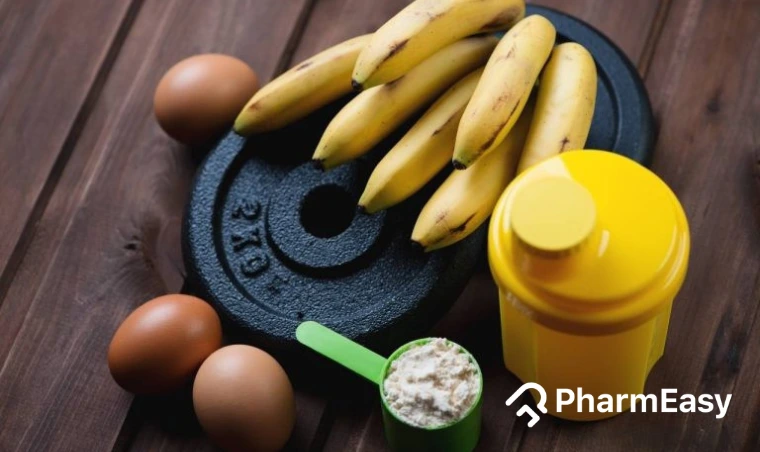
Core answer: To gain weight in a healthy way, aim for a gradual increase in food intake, choose calorie-dense but nutritious foods, include a protein source regularly, eat at a frequency that suits your appetite, and combine nutrition with resistance exercise. If you are losing weight without trying, have a poor appetite, or cannot gain weight despite eating more, the priority is finding the cause with a healthcare professional.
First, check the reason for low weight.
Low weight can be related to inadequate intake, high activity, stress, digestive problems, medication effects or an underlying medical condition. Sudden or unexplained weight loss deserves medical assessment rather than a DIY weight-gain plan.
What Does Healthy Weight Gain Actually Mean?
Weight increases when, over time, your body receives more energy than it uses. But the quality of that gain matters. A plan built mostly around sweets, sugary drinks, fried snacks and ultra-processed foods may increase body weight without providing the protein, fibre, vitamins and minerals your body needs.
A better goal is gradual weight gain with good nutrition and muscle support. This is particularly important if you want to gain strength, improve physical function or recover from a period of illness or low appetite.
More usable energy
Increase food intake steadily rather than trying to force very large meals overnight.
Enough protein
Include protein-rich foods regularly to support muscle and tissue maintenance.
Better food quality
Use dairy, pulses, eggs, soy, nuts, seeds, whole grains, fruits and vegetables—not just sugar and fried foods.
How Do I Know If I Am Underweight?
For adults, BMI below 18.5 kg/m² is commonly classified as underweight. BMI is only a screening measure; it does not directly measure body fat and should be interpreted alongside your health, medical history and other factors.
For children and teenagers, adult BMI cut-offs should not be used. Growth is assessed using age- and sex-specific growth charts, so parents should speak with a paediatrician or qualified healthcare professional if there are concerns about growth.
Important: If your weight has fallen unexpectedly, especially over a short period, do not assume you simply need a high-calorie diet. Persistent weight loss can have medical causes and should be assessed.
The 5-Part Strategy for Healthy Weight Gain
1. Add energy gradually
A practical starting point is to add a modest amount of energy to your usual intake rather than doubling portion sizes. NHS guidance suggests adults may try adding around 300–500 calories per day for gradual gain, but individual needs vary. A dietitian can tailor this to your age, body size, activity, appetite and medical needs.
2. Eat more often if large meals feel difficult
If you get full quickly, use three meals plus one or two nourishing snacks—or smaller meals spread through the day. The objective is to make adequate intake easier, not to eat continuously.
3. Make each meal more nutrient-dense
Instead of simply increasing volume, add ingredients that bring energy and nutrients: nuts and seeds, peanut or other nut butters, dairy or fortified alternatives, paneer/tofu, pulses, eggs, avocado where available, and suitable cooking oils. These additions can increase energy without making the plate dramatically larger.
4. Include protein regularly
Protein-rich choices can include dal, rajma, chana, soy, tofu, paneer, curd, milk, eggs, fish, chicken and other lean meats. Spread protein-containing foods across meals rather than trying to consume almost all of it in one sitting.
5. Pair food with strength training
Resistance exercise helps provide a reason for your body to build and maintain muscle. A beginner can start with bodyweight movements such as squats, wall or incline push-ups, rows using safe equipment, lunges and controlled resistance exercises, progressing gradually.
Best Indian Foods for Healthy Weight Gain
There is no single “weight-gain food.” A useful Indian approach is to combine a carbohydrate source, protein source, vegetables or fruit, and a source of healthy fats across the day.
BREAKFAST / SNACK
Oats, milk, banana & nuts
Combine oats with milk or a suitable fortified alternative, fruit and nuts/seeds for a more energy-dense breakfast.
PROTEIN + ENERGY
Milk, curd, eggs & nuts
These foods can add protein and energy in relatively small portions. Choose according to dietary preference and tolerance.
EASY SNACK
Banana + peanut butter toast
A simple combination of carbohydrate and fat that can be useful when appetite is low and you need a compact snack.
VEGETARIAN
Curd/yogurt + fruit + seeds
Choose plain curd or yogurt and add fruit, nuts or seeds. For lactose intolerance, use a suitable alternative.
Everyday Indian staples that can fit a weight-gain plan
Carbohydrates: rice, roti, oats, poha, upma, potatoes, sweet potatoes, millets and other whole or minimally processed grains.
Protein: dal, chana, rajma, soy, tofu, paneer, curd, milk, eggs, fish and chicken.
Energy-dense additions: peanuts, almonds, cashews, walnuts, sesame, pumpkin seeds, peanut butter and suitable cooking oils.
Fruits: banana, mango, chikoo, dates and other fruits can be included according to your overall diet and medical needs.
Vegetables: do not drop vegetables just because you are trying to gain weight. They provide fibre and micronutrients that support overall health.
How Should I Build a Weight-Gain Meal?
Think beyond “more food.” Build meals that are balanced and easy for you to repeat. If you are vegetarian, you can obtain protein from dairy, pulses, soy, tofu, paneer, beans, nuts and seeds. If you eat animal foods, eggs, fish, chicken and other lean protein foods can also fit.
Easy upgrades
Add curd to a rice or roti meal.
Add peanuts or seeds to poha/upma/oats.
Add paneer/tofu or dal to a vegetable meal.
Use a nourishing snack between meals if appetite allows.
A Simple India-Friendly Sample Day
This is an example structure, not a personalised prescription. Portion sizes should be adjusted to your energy needs, appetite, age, activity and medical conditions.
Time , Example. ,How it supports the goal.
Breakfast , Poha/upma with peanuts + curd, or oats with milk, banana and nuts ,Carbohydrate + protein + energy-dense additions
Mid-morning Fruit + handful of nuts, or curd/yogurt with fruitCompact nourishing snack
Evening ,Banana and milk smoothie, or peanut-butter toastUseful when you struggle to eat large meals
Dinner , Roti/rice + protein-rich curry + vegetables + curd. ,Repeat the balanced-meal
Optional ,Milk/fortified alternative or another nourishing snack if needed ,Helps distribute intake without forcing a huge dinner
Can Exercise Help Me Gain Weight?
Yes—particularly when your goal is to improve strength and muscle mass rather than simply increase the number on the scale. Strength training provides a stimulus for muscle development when your diet supplies enough energy and protein.
Beginner approach
Start with 2–3 resistance-training sessions per week.
Train major movement patterns: squat, hinge, push, pull and carry where appropriate.
Increase resistance or repetitions gradually as technique improves.
Allow recovery between hard sessions and prioritise sleep.
If you have a medical condition, are recovering from illness or have been significantly underweight, ask a clinician or physiotherapist what level of exercise is appropriate.
What Should I Avoid When Trying to Gain Weight?
×
Relying on junk food
Chocolate, sugary drinks and fried foods can add calories but should not be the foundation of your diet.
×
Forcing huge meals
Large meals can worsen fullness and make consistency harder. Smaller, more frequent meals may work better.
×
Skipping strength work
If your goal includes muscle, nutrition alone is not the whole plan. Resistance training matters.
Do not use “weight-gain” as a reason to ignore food quality.
Do not start random supplements or appetite stimulants without professional advice.
Do not assume being very thin is always just genetics. Persistent or unexplained weight loss needs attention.
Do not chase rapid changes. Sustainable progress is usually easier to maintain.
When Should I See a Doctor or Dietitian?
Professional assessment is especially important if you have unintentional weight loss, ongoing poor appetite, persistent diarrhoea or vomiting, difficulty swallowing, abdominal symptoms, excessive thirst/urination, persistent fatigue, fever, or other unexplained symptoms.
You should also seek tailored advice if you have diabetes, kidney disease, liver disease, a digestive condition, a history of an eating disorder, are pregnant, or take medicines that may affect appetite or body weight. Children and teenagers should be assessed using growth-specific standards rather than adult BMI cut-offs.
🔎
The core concern is not simply “How do I eat more?”
It is “Why is my weight low, and how can I increase energy and nutrient intake safely?” That distinction is especially important when weight loss is new, rapid or unexplained.
How can I gain weight quickly?
There is no single safe “fast” method that works for everyone. A better approach is gradual weight gain using more energy-dense nutritious foods, regular protein, suitable meal frequency and strength training. If you have unexplained weight loss, find the cause before trying to gain weight quickly.
Can I gain weight by eating rice and roti?
Yes. Rice and roti can be part of a healthy weight-gain diet. Pair them with protein such as dal, rajma, chana, paneer, tofu, eggs, fish or chicken, plus vegetables and a suitable source of fat.
Are bananas good for weight gain?
Bananas can be a convenient carbohydrate-rich food. Pairing a banana with milk/curd, nuts, seeds or nut butter can make a snack more energy- and nutrient-dense.
Can a thin person have a medical problem?
Yes. Some people naturally have a lower body weight, but unexplained or ongoing weight loss can sometimes be a sign of an underlying condition. A healthcare professional can assess the full picture.
Is ghee good for weight gain?
Ghee is energy-dense and can be included in appropriate amounts, but it should not replace protein, fibre-rich foods, fruits and vegetables. Use it as one part of a balanced diet rather than as a shortcut.