
Everyday Skin Care in India: A Gentle, Practical Guide
Healthy skin is built through consistent basics—not a complicated 10-step routine. Learn how to cleanse gently, support your skin barrier and adapt your habits to heat, humidity and dry weather.

Indian skin-care needs vary widely by skin type, location, age and daily routine. Heat and humidity may increase sweat and shine, while air-conditioning, pollution and dry winter air can leave skin feeling tight. Start with a simple routine, then adjust it based on how your own skin responds.
IN THIS GUIDE
1. Understand your skin barrier
2. The everyday routine
3. Sun protection and pigmentation
4. Hard water and cleansing
5. Adjust for the seasons
6. Lifestyle habits that help
1. Understand your skin barrier
Your skin barrier helps retain moisture and protect against everyday irritants. Cleansing too often, scrubbing aggressively or layering too many active ingredients can leave skin dry, irritated or more reactive. A healthy routine should leave your skin feeling comfortable—not tight, stinging or stripped.
💧 Oily or acne-prone
Choose a gentle cleanser and a lightweight, non-comedogenic moisturiser. Avoid trying to remove every trace of oil by washing repeatedly.
🌾 Dry or tight
Use lukewarm water, a mild cleanser and a richer fragrance-free moisturiser. Apply moisturiser while skin is slightly damp.
⚖️ Combination
Use lightweight hydration across the face and add a little more moisturiser to dry areas as needed.
🌼 Sensitive or reactive
Keep the routine simple, introduce one new product at a time and patch-test when practical. Stop anything that causes persistent burning or rash.
Remember: Skin tone alone does not determine skin type. Deeper skin tones can still become sun-damaged or irritated, and inflammation may leave dark marks that take time to fade.
2. The everyday routine
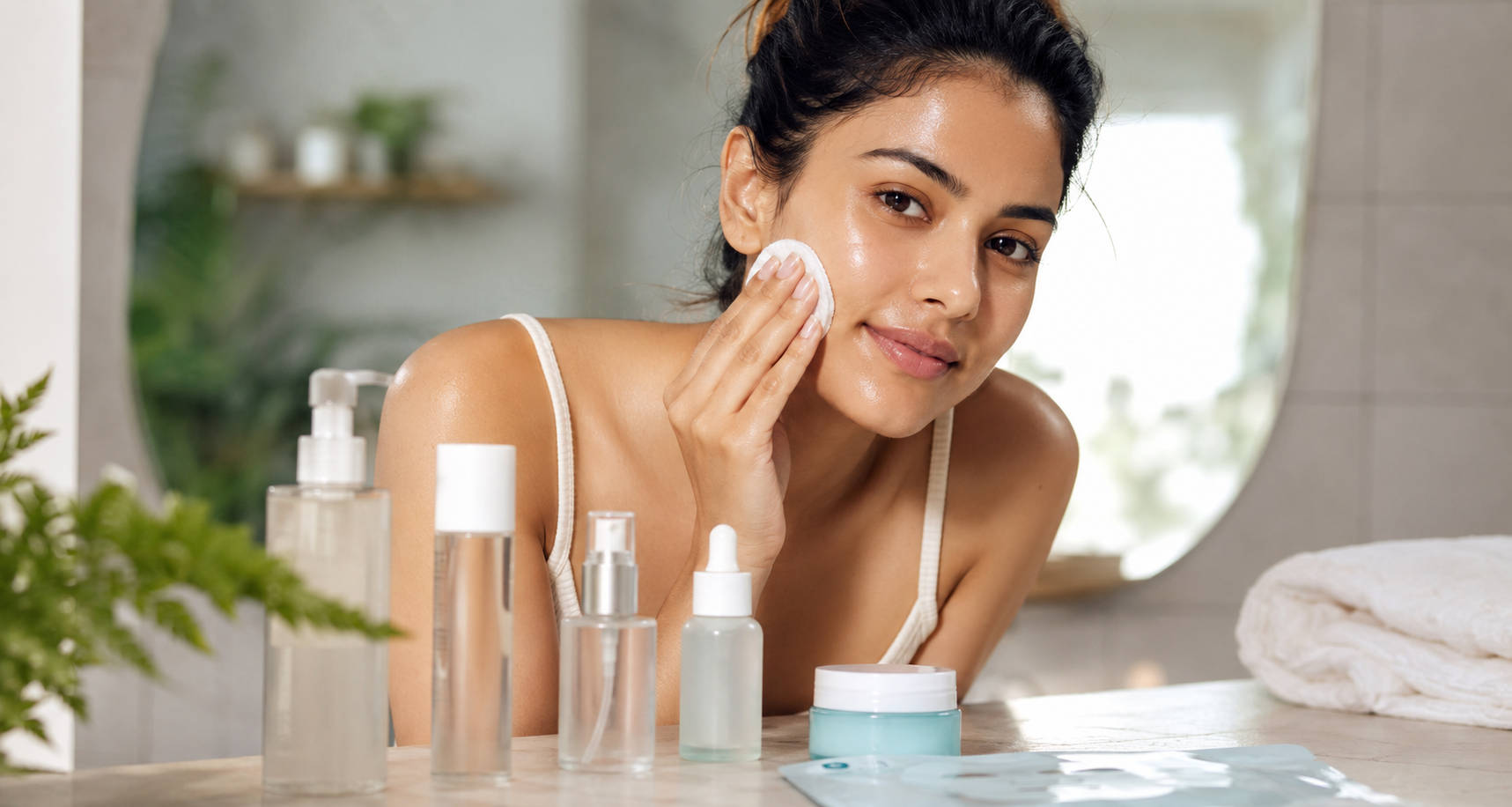
You do not need many products to get started. A gentle cleanser, moisturiser and broad-spectrum sunscreen form a useful foundation for most people.
1.Morning: cleanse gently
Rinse with lukewarm water or use a mild cleanser if you wake up oily. Avoid rough scrubs and very hot water.
2.Moisturise
Choose a texture that suits your skin. Ingredients such as glycerin, ceramides and hyaluronic acid can help support hydration; fragrance-free options may suit sensitive skin.
3.Apply sunscreen
Use a broad-spectrum SPF 30 or higher sunscreen on exposed skin. Apply generously before outdoor exposure and reapply about every two hours outdoors, and after swimming or heavy sweating.
4.Evening: remove the day
Cleanse to remove sunscreen, sweat and dirt. If you wear water-resistant sunscreen or makeup, a first-step remover may help; follow with a gentle cleanser if needed.
5.Moisturise again
Finish with moisturiser. Add exfoliating or acne treatments only if they suit your needs, and introduce them gradually rather than starting several at once.
3. Sun protection and dark marks
Ultraviolet exposure can contribute to sunburn, premature skin ageing and uneven pigmentation across all skin tones. In skin that is prone to post-inflammatory hyperpigmentation (PIH), irritation from acne, picking or harsh treatments may also leave persistent brown or grey marks.
• Choose broad-spectrum SPF 30 or higher and follow the label directions.
• Use shade, a wide-brimmed hat and protective clothing when outdoors for extended periods.
• Reapply sunscreen regularly outdoors, especially after sweating or swimming.
• Avoid picking pimples, abrasive scrubs and applying lemon juice or other irritating kitchen ingredients to the face.
For pigmentation: Patience and consistent sun protection matter. If dark marks, melasma or acne are persistent, a dermatologist can help select treatments that minimise irritation.
4. Hard water and cleansing
Hard water contains higher levels of minerals such as calcium and magnesium. For some people, frequent contact with hard water—especially alongside harsh soap—can worsen dryness or irritation. The effect varies, and hard water is not the sole cause of acne.
Simple ways to reduce irritation
• Use a mild, soap-free cleanser rather than harsh bar soap.
• Wash with lukewarm water and avoid prolonged washing.
• Pat skin dry instead of rubbing with a towel.
• Apply moisturiser soon after washing to help reduce moisture loss.
• If symptoms continue, consider whether other products, fragrance or an underlying skin condition could be contributing.
There is no need to use drinking or RO water on your face as a universal rule. If your water supply is visibly contaminated or causes a persistent reaction, seek local water-quality advice and medical guidance where appropriate.
5. Adjust your routine for the seasons
Keep the basics steady, and change the texture or frequency of products only when your skin needs it.
☀️ Hot summer days
Choose a comfortable lightweight moisturiser, cleanse after heavy sweating and keep sunscreen handy for reapplication. Avoid repeated washing that leaves skin tight.
🌧️ Humid or monsoon weather
Use breathable, non-comedogenic products if you are prone to clogged pores. Gently cleanse sweat and grime; do not scrub to compensate for shine.
❄️ Cool, dry weather or air-conditioning
Try a richer moisturiser if skin feels tight, reduce harsh exfoliation and use lukewarm rather than hot water. A humidifier may help in very dry indoor spaces.
6. Everyday habits that support skin health
🥗 Eat a varied diet
Include vegetables, fruit, protein, whole grains and healthy fats. No single food or drink guarantees clear or glowing skin
💤 Prioritise sleep
Regular, sufficient sleep supports general wellbeing. It will not replace treatment for persistent skin conditions.
🚰 Stay hydrated
Drink fluids regularly, especially in hot weather. Drinking excessive water does not directly cure dry skin.
🧘 Manage stress gently
Movement, relaxation and a realistic routine may support wellbeing. Stress can aggravate some skin conditions in some people.
When to seek professional advice
Speak with a qualified healthcare professional or dermatologist if you have persistent acne, painful or spreading rashes, severe itching, sudden changes in pigmentation, signs of infection, or symptoms that do not improve with a gentle routine. Seek urgent care for a severe allergic reaction or swelling that affects breathing.
This article is for general educational purposes and is not a diagnosis or a substitute for individual medical advice. Skin needs differ; follow your clinician’s instructions if you are receiving treatment.