
Do Intermittent Fasting or Crash Diets Work Safely in the Long Run?
A practical guide for Indian adults: what fasting can and cannot do, why crash diets often backfire, and what sustainable weight loss really looks like. Remember Weight loss is a health goal—not a race. A slower plan you can maintain is often more useful than a dramatic plan you cannot.
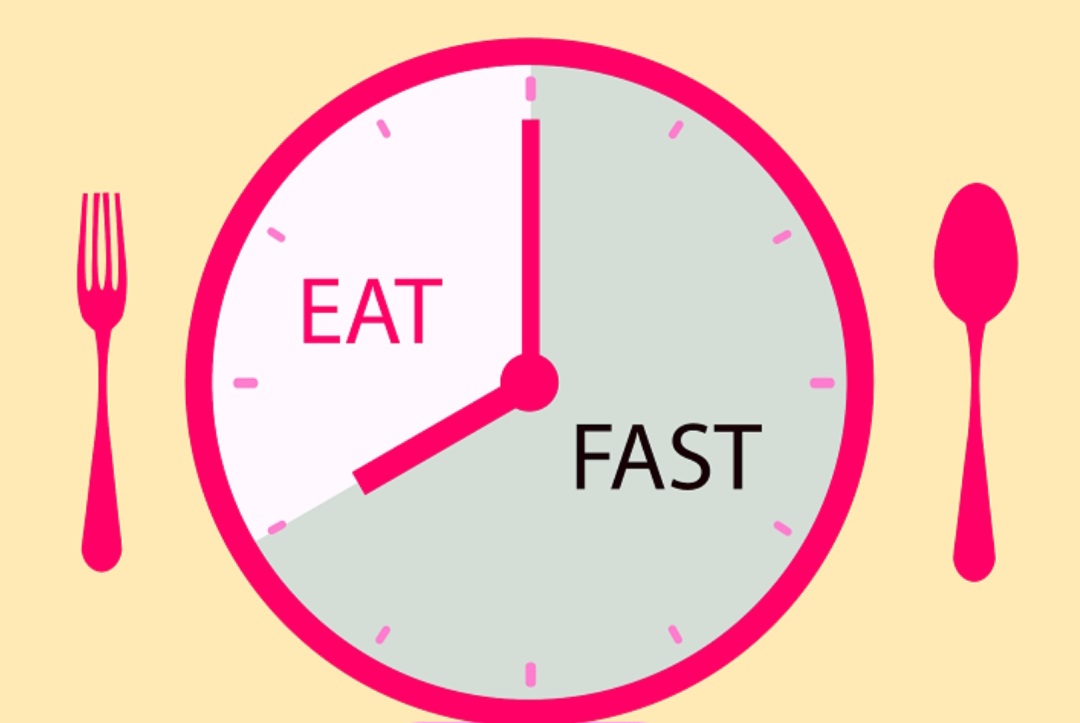
Short answer: intermittent fasting can be a reasonable weight-management option for some adults, but current evidence does not show that it is a magic method or consistently better than a sustainable calorie-controlled eating pattern. Crash diets are a different story: very restrictive, rapid-loss approaches are difficult to maintain and can increase the risk of nutrient inadequacy, loss of lean tissue and weight regain.
Core concern: the most important question is not “How quickly can I lose weight?” It is “Can I follow this eating pattern safely, meet my nutritional needs, protect muscle and maintain the result for years?”
What is the difference between intermittent fasting and a crash diet?
Intermittent fasting (IF) changes when you eat. Common approaches include time-restricted eating, where meals are taken within a daily window, and other fasting schedules such as 5:2 or alternate-day fasting.
A crash diet generally means a highly restrictive eating pattern designed to produce very rapid weight loss. It may involve severe calorie restriction, meal replacement without adequate supervision, cutting out multiple food groups, or rules that are hard to maintain in normal life.
The two should not be treated as synonyms. A structured eating window can be part of a balanced diet; an extreme fasting schedule can become restrictive in much the same way as a crash diet.
Does intermittent fasting actually work?
Yes, it can help some people lose weight. But the evidence is more nuanced than social-media claims suggest. A 2025 BMJ systematic review and network meta-analysis of randomised trials found that intermittent-fasting strategies can reduce body weight and improve some cardiometabolic measures, but differences between fasting approaches and conventional continuous energy restriction were generally modest.
One reason IF can work is simple: a shorter eating window may make it easier for some people to eat fewer calories without continuously counting them. It can also reduce late-night snacking. But if the eating window becomes a period of overeating, highly processed foods or inadequate protein and micronutrients, fasting itself does not guarantee a healthy result.
NIDDK notes that research on intermittent fasting is still developing. In a 12-month comparison discussed by NIDDK, time-restricted eating and daily calorie restriction produced roughly similar weight loss—about 5%—suggesting that fasting is better viewed as one possible tool, not a universally superior diet. Longer studies are still needed to understand health effects over several years.
CAN WORK
Intermittent fasting
May help when the schedule is comfortable, meals remain nutritious, and the person can maintain it without excessive hunger or compensatory overeating.
NOT A SHORTCUT
Crash dieting
Rapid restriction can produce quick scale changes, but it is not a reliable long-term strategy and can make maintenance harder.
What does “safe in the long run” actually mean?
A weight-loss plan should do more than lower the number on the scale. Long-term safety means the pattern is nutritionally adequate, compatible with your health conditions and medicines, realistic for your daily routine, and sustainable enough to support weight maintenance.
Adequate nutrition: enough protein, fibre, vitamins, minerals and essential fats.
Muscle protection: weight loss should not be treated as permission to ignore strength and protein.
Normal life compatibility: the plan should work with family meals, work schedules, travel and Indian festivals—not only during a “diet phase.”
Psychological safety: food rules should not encourage guilt, binge–restrict cycles or obsessive tracking.
Medical suitability: conditions such as diabetes, pregnancy, eating disorders and some medications can change what is safe.
Why crash diets often fail over time
Crash diets can produce a dramatic early drop on the scale, partly because reduced food intake lowers stored carbohydrate and associated water, in addition to reducing body fat. That early change can be mistaken for a sustainable rate of fat loss.
Very restrictive plans can also be difficult to adhere to. Hunger, fatigue, social limitations and food cravings may build up, followed by a return to previous eating habits. During weight loss, the body also requires fewer calories at a lower body weight, which makes maintenance challenging. NIDDK specifically notes that metabolism slows during weight loss and that ongoing healthy eating and physical activity are important for maintaining the result.
Indian clinical guidance also emphasises slow, sustainable weight management and warns against rapid weight loss because of rebound weight gain.
Intermittent fasting vs crash dieting
Question Intermittent fasting Crash diet
Main idea
Changes meal timing or fasting periods.
Creates very rapid weight loss through severe restriction
Can it reduce weight.
.Yes, for some people, especially when it reduces total energy intake.
usually causes short-term weight loss, but maintenance is the concern.
Long term evidence
romising but still limited for several-year outcomes.
Not a preferred long-term strategy.
main risk
Hunger, dizziness, inadequate intake or medication-related problems in some people.
Excessive restriction, nutrient gaps, loss of lean tissue and regain.
Best framing
An optional eating structure—not a requirement.
Avoid extreme versions; choose sustainable methods instead.
What about intermittent fasting for Indians?
There is no need to remove Indian staples simply because you are using an eating window. Roti, rice, dal, sabzi, curd, eggs, paneer, fish, chicken, fruits and millets can all fit into a balanced pattern. The practical issue is how the meals are composed and how much you eat overall.
For example, an eating window can still include a balanced lunch of dal, vegetables, roti or rice and curd; an evening meal with vegetables and a protein source; and fruit or another nutrient-dense snack if needed. The exact quantity depends on your body size, activity, health status and goals.
Bear & Blend Tip
If fasting helps you avoid unplanned late-night eating and you feel well while doing it, it may be a useful structure. If it makes you extremely hungry, weak, distracted or likely to overeat later, there is no special benefit in forcing it.
If you choose intermittent fasting, how can you make it safer?
Do not begin with an extreme schedule. A less restrictive overnight fasting period may be easier to tolerate than jumping immediately to long fasts.
Prioritise food quality. Include vegetables, whole fruits, pulses, whole grains, dairy or alternatives, nuts/seeds and appropriate protein sources.
Protect protein and muscle. Include protein-containing foods regularly and combine weight loss with appropriate resistance exercise when medically suitable.
Hydrate normally. Do not use dehydration to make the scale fall faster.
Watch how you feel. Persistent dizziness, weakness, fainting, headaches or difficulty functioning are reasons to stop and seek advice.
Do not compensate. A fasting window should not be followed by uncontrolled overeating or a “cheat day” mindset.
Who should not start intermittent fasting without medical advice?
Important safety point
Intermittent fasting is not appropriate for everyone. Medical guidance is especially important during pregnancy or breastfeeding, in children and adolescents, for people who are underweight or have a history of an eating disorder, and for people taking glucose-lowering medicines such as insulin or sulfonylureas. Older adults may also need particular attention to protein intake and muscle preservation.
If you have diabetes, kidney disease, liver disease, a history of fainting, or take medicines that need to be taken with food, discuss fasting with your healthcare professional before changing your meal schedule.
What works better for long-term weight loss?
There is no single “best diet” for every person. NIDDK recommends a healthy eating plan that can be maintained over time, alongside physical activity and behavioural support. A structured weight-management programme commonly includes a calorie-controlled eating pattern tailored to individual preferences, regular activity and ongoing follow-up. NIDDK
For many Indian adults, a practical approach can be built around:
More vegetables and whole fruits.
Regular protein sources such as dal, beans, eggs, dairy/curd, tofu, fish or lean meats according to preference.
Reasonable portions of roti, rice, oats or millets rather than banning carbohydrates altogether.
Less frequent sugar-sweetened drinks, highly processed snacks and foods eaten mainly out of habit.
Regular walking and, where appropriate, muscle-strengthening exercise.
Consistent sleep and strategies for managing stress and emotional eating.
How much weight loss should you aim for?
Rather than chasing the fastest possible result, a clinically meaningful initial target is often around 5% of starting body weight, with a longer-term goal tailored to the individual. NIDDK gives 5% over about six months as an example of a reasonable initial goal and emphasises continued support for maintenance. NIDDK
Even modest weight loss can improve health markers in people with overweight or obesity. The appropriate goal, however, depends on age, body composition, medical conditions, medications and personal circumstances.
The Bear & Blend takeaway: Intermittent fasting can be useful when it makes healthy eating easier—not when it becomes a test of how long you can go without food. Crash diets may make the scale move quickly, but long-term health is better served by a balanced pattern you can realistically continue for years.
Intermittent fasting: potentially useful for some adults, but not a guaranteed shortcut and not clearly superior to other sustainable calorie-reduction strategies.
Crash dieting: not a sound long-term approach. Rapid restriction can be difficult to sustain and may increase the chance of nutritional problems, lean-mass loss and rebound weight gain.
The most durable strategy is the least dramatic one: a balanced eating pattern, appropriate portions, regular movement, enough sleep, realistic goals and professional support when medical conditions or medications are involved
Is intermittent fasting better than a normal calorie-controlled diet?
Not necessarily. Evidence suggests it can work, but it has not consistently shown a large advantage over continuous calorie restriction. The best approach is usually the one that is nutritionally adequate and sustainable for you.
Can intermittent fasting cause weight regain?
Any weight-loss approach can be followed by regain if the eating pattern is difficult to maintain. Fasting does not prevent regain automatically; long-term habits and ongoing support matter.
Do I need to stop eating rice or roti to lose weight?
No. Weight management does not require automatically eliminating staple foods. Portion size, overall calorie intake, food quality and the balance of the meal are more important.
Can I lose weight without intermittent fasting?
Absolutely. A sustainable calorie-controlled eating pattern, regular physical activity and behavioural support can work without fasting. Fasting is an option, not a requirement.
What is the biggest warning sign that my diet is too restrictive?
Persistent weakness, dizziness, fainting, inability to concentrate, recurrent overeating/bingeing, fear around food, or inability to meet nutritional needs are reasons to stop and seek professional guidance.