Do I Have to Count Calories to Lose Weight?
Not necessarily. Calories still matter, but you do not have to spend every day weighing every bite. A sustainable approach can combine portion awareness, nutritious Indian foods, regular movement and habits you can actually maintain.
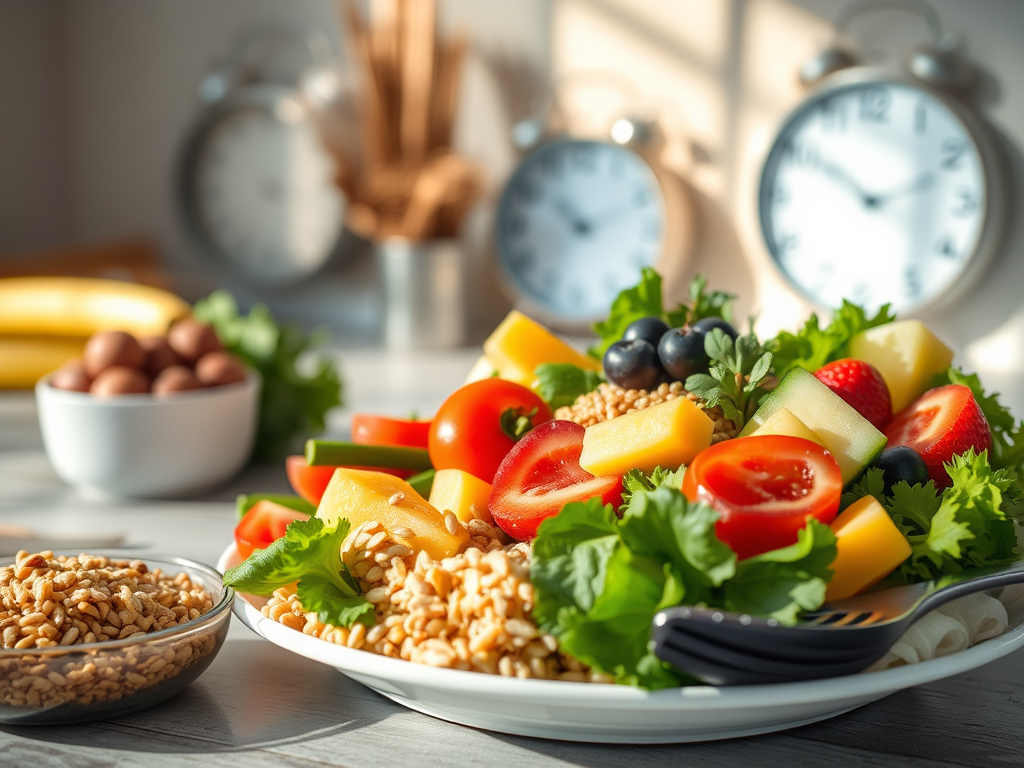
Short answer: No — but understanding calories can help.
Your body needs energy to function. When, over time, you take in less energy than your body uses, body weight tends to fall. Calorie counting is one way to create awareness around that balance, but it is not the only way.
For many people, a simpler system—better portions, more vegetables and protein-rich foods, fewer sugary drinks and highly processed snacks, and regular activity—can be easier to maintain.
What matters most?
A sustainable eating pattern
Portions that fit your needs
Regular physical activity
Adequate sleep and stress management
Progress over perfection
1. Do calories actually matter for weight loss?
Yes. You do not need to count them every day, but energy balance remains part of how body weight changes.
Food and drinks provide energy. Your body uses energy for basic functions such as breathing and maintaining body temperature, as well as for digestion, movement and exercise. If energy intake stays higher than energy expenditure over time, weight can increase; if it stays lower, weight generally decreases.
That does not mean every calorie has the same nutritional value. Two meals with similar calories can differ substantially in protein, fibre, vitamins, minerals, fullness and how easy they are to overeat.
Think of calorie balance as a long-term pattern
Food & drinks
Body use + activity
The goal is not to make the scale perfect every day.
Daily weight and intake naturally fluctuate. Look at the pattern over weeks, not one meal or one morning
2. So why do people count calories?
Calorie tracking can make an invisible part of eating more visible. It may be useful when you are unsure about portion sizes, frequently eat calorie-dense foods, or want a short period of structured feedback.
01
It teaches portions
Tracking can show how quickly oils, sweets, fried snacks, creamy gravies and large portions add energy.
02
It creates awareness
Recording meals may help you notice patterns such as liquid calories, frequent snacking or large weekend portions.
03
It can support a specific plan
Some people prefer numbers and find a calorie target clear and measurable.
04
It is optional
If tracking makes eating stressful or difficult to sustain, a portion-based approach can be a reasonable alternative.
Bear & Blend Tip: Use calorie tracking as a learning tool if it helps you—not as a rule that every meal must be mathematically perfect.
3. How can I lose weight without counting every calorie?
Instead of calculating every ingredient, build a repeatable food environment. The aim is to make the lower-energy choice easier without making your diet unnecessarily restrictive.
Build meals around vegetables.
Use sabzi, leafy greens, cucumber, tomato, beans and other vegetables generously.Include protein.
Dal, chana, rajma, curd, paneer, eggs, fish, chicken, soy and other protein foods can improve meal satisfaction.Choose sensible portions of carbs.
Roti, rice, poha, upma and other staples can fit; the amount matters.Be careful with drinks.
Sweetened tea/coffee, soft drinks, sweet lassi and fruit juice can add energy without much fullness.Measure cooking fats sometimes.
Oil and ghee are energy-dense. A spoon can be more informative than pouring directly from the bottle.Keep high-calorie extras occasional.
Fried snacks, sweets, bakery foods and rich gravies can fit in a balanced pattern without becoming everyday staples.4. What does this look like on an Indian plate?
Healthy weight management does not require replacing Indian food with a completely different cuisine. Roti, rice, dal, sabzi, curd and seasonal fruit can all fit into a balanced eating pattern. The practical focus is usually composition, portion size and frequency.
A simple visual plate guide
½ plate
Vegetables & salad¼ plate
Protein foods¼ plate
Roti / rice / other stapleFruit
as a whole-food optionThis is a practical visual framework, not a mandatory prescription. Portion needs vary with body size, activity, age, health conditions and goals.
Examples of practical swaps
Breakfast
Vegetable poha + curd; or eggs/vegetable omelette + roti; or idli with sambar and vegetables.
Lunch
Dal or another protein food + sabzi + salad + a measured portion of roti or rice.
Snack
Whole fruit, unsweetened curd, roasted chana or a small portion of nuts instead of frequent fried snacks.
There is no requirement to eliminate rice or roti simply because you want to lose weight. The bigger question is whether the overall meal and portion fit your energy and nutrition needs.
5. Portion control can replace some calorie counting
Portion awareness is especially useful when meals are home-cooked and exact calories are difficult to calculate. Try using the same bowl, plate or serving spoon for familiar foods so your portions become more consistent.
At home
Serve your portion once rather than eating directly from a large serving dish. Keep vegetables and protein visible and easy to reach.
At restaurants
Share large portions, stop when comfortably satisfied, and pay attention to fried sides, creamy gravies and sugary drinks.
For snacks
Put a portion in a bowl rather than repeatedly eating from a packet. This simple step reduces mindless eating.
For cooking
Measure oil and ghee with a spoon when possible. Small amounts can add up across several meals.
6. Where can “hidden” calories come from in an Indian diet?
Often, the issue is not one obviously unhealthy food. It is a collection of small additions that are easy to overlook.
Sweetened beverages
Tea or coffee with several teaspoons of sugar, soft drinks, sweet lassi and packaged beverages can contribute substantial energy.
Cooking oil & ghee
Healthy fats still contain energy. The amount used in tadka, frying and gravies matters.
Fried snacks
Samosa, kachori, pakora, bhujia and similar foods can be easy to overeat because they are energy-dense.
Sweets & desserts
Mithai, halwa, bakery desserts and festival foods can fit occasionally, but frequent large portions can make a calorie deficit harder.
“Healthy” extras
Nuts, nut butters, seeds and granola can be nutritious but energy-dense. Portion still matters.
Weekend eating
A consistent weekday deficit can be offset by large restaurant meals, alcohol or frequent snacks across the weekend.
7. Do I need exercise if I am not counting calories?
Physical activity is valuable even when the main goal is not weight loss. Walking, cycling, strength training, sports and everyday movement increase energy expenditure and support cardiovascular and metabolic health.
For many adults, a practical starting point is to increase daily movement gradually and work toward regular moderate-intensity activity. Strength training can also help preserve muscle during weight loss.
Remember: You do not need to “earn” food with exercise. Food choices and movement work together, and health benefits of activity extend beyond the number on the scale.
8. How should I track progress if I am not counting calories?
Use more than one signal. Body weight naturally changes because of water, food in the digestive tract, sodium, hormones and other factors. A single weigh-in does not tell the whole story.
Weight trend
If weighing is comfortable for you, look at the trend over several weeks rather than reacting to one day.
Waist measurement
Waist size can provide another useful measure of changes in abdominal fat.
Daily function
Notice energy, mobility, stamina, sleep, hunger patterns and how consistently you can follow your routine.
A reasonable goal is not “perfect eating.” It is a routine you can repeat while still enjoying normal social and family meals.
9. Common mistakes when trying to avoid calorie counting
I stopped counting, so portions don't matter.”
They still matter. Avoiding tracking does not mean ignoring quantity. Use visual portions or familiar serving sizes.
“Healthy food is unlimited.”
Nutritious foods can still be energy-dense. Nuts, seeds, oils and calorie-rich spreads deserve sensible portions.
“Carbs must be eliminated.”
There is no need to remove all carbohydrates. Choose appropriate portions and favour minimally processed, fibre-rich options more often.
“A detox will do the job.”
Weight loss does not require detox drinks, starvation or extreme restriction. Sustainable habits are more useful than short-term cleanses.
10. When should you consider professional guidance?
Weight management is not purely a matter of willpower. Medicines, sleep, stress, medical conditions, genetics, environment and other factors can influence weight. If you have obesity, diabetes, significant weight-related symptoms, a history of disordered eating, are pregnant or breastfeeding, or are unsure what approach is safe for you, speak with a qualified healthcare professional.
A dietitian or doctor can help tailor food portions and activity to your health, culture, preferences and nutritional needs.
Can I lose weight without counting calories?
Yes. Calorie counting is optional. Weight loss still depends on an appropriate energy balance over time, but you can work toward it through portion awareness, nutritious foods, fewer high-calorie drinks and snacks, and regular activity.
Is calorie counting the fastest way to lose weight?
Not necessarily. It can increase awareness, but the best approach is the one that is nutritionally adequate, realistic and sustainable for you. Very rapid weight-loss methods are not automatically better.
Do I have to stop eating rice to lose weight?
No. Rice can fit into a weight-management pattern. The portion, the rest of the meal, cooking method and your overall intake matter more than banning one staple food.
Do I have to stop eating roti?
No. Roti can also fit. Pair an appropriate portion with protein foods and plenty of vegetables rather than treating roti as a forbidden food.
Are healthy foods automatically low-calorie?
No. Nuts, seeds, oils, ghee, nut butters and some dried fruits can be nutritious but energy-dense. Nutrition quality and portion size are separate considerations.
Can walking help with weight loss?
Yes. Walking increases physical activity and can support weight management. Consistency matters, and activity can also provide important health benefits beyond weight loss.
What is more important: calories or food quality?
Both matter, but they answer different questions. Energy balance influences weight change, while food quality affects nutrient intake, fullness and overall health. A sustainable pattern should address both.
Why am I not losing weight even though I eat “healthy”?
Healthy foods can still be eaten in amounts that do not create an energy deficit. Other factors—activity, sleep, medicines, medical conditions and normal changes in body weight—can also affect progress.