
How Does Diabetes Affect the Kidneys and Eyesight?
High blood sugar can gradually damage the small blood vessels that keep the kidneys and eyes working properly. The good news: early detection and good diabetes care can significantly reduce the risk of serious complications.
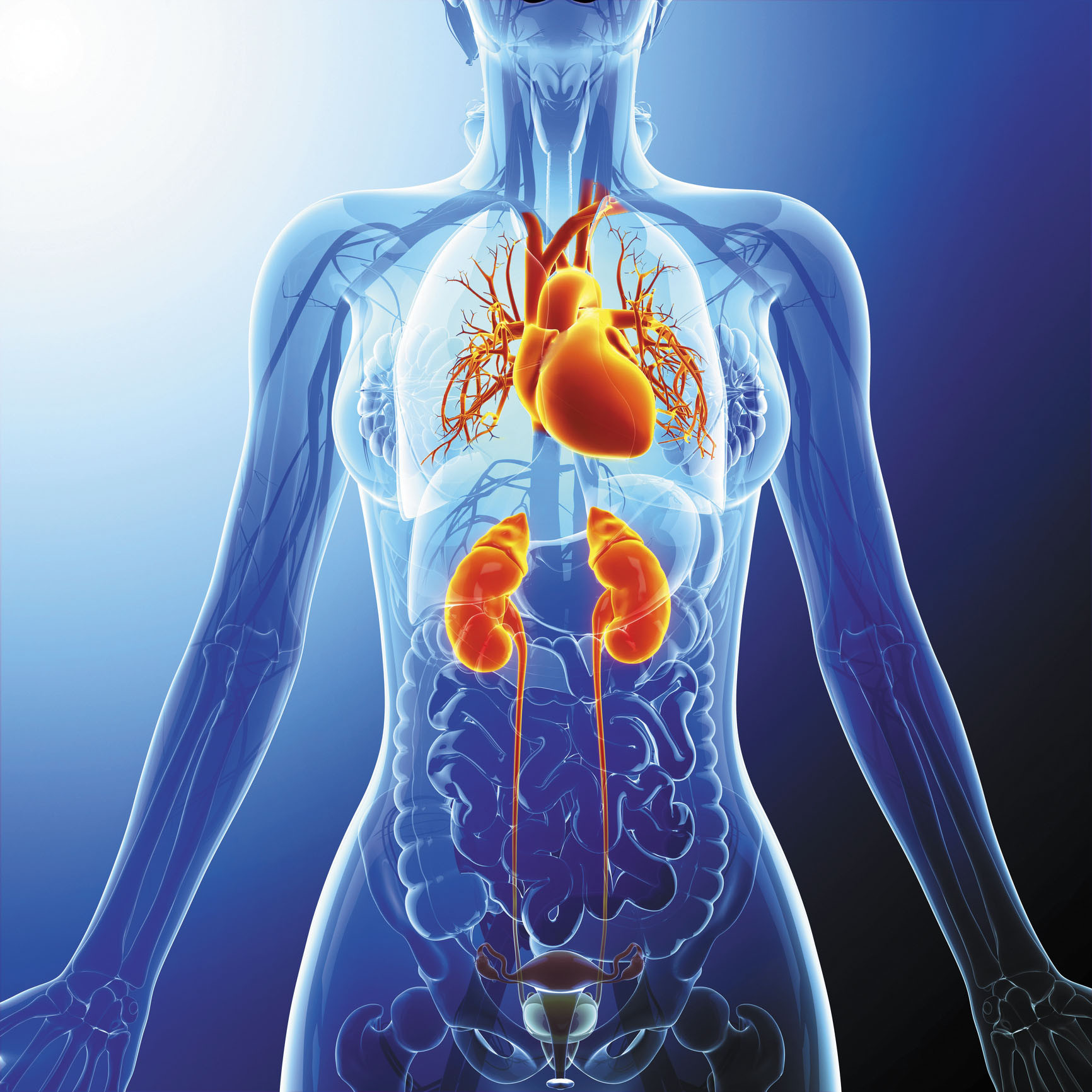
Diabetes is not only about blood sugar.
Over time, persistently high blood glucose can injure tiny blood vessels and affect organs such as the kidneys and retina. Kidney disease may progress silently, while diabetic eye disease can cause significant vision damage before noticeable symptoms appear. That is why screening matters even when you feel well.
Key takeaway: For people living with diabetes, regular kidney checks, eye examinations, blood-pressure control and appropriate glucose management are important parts of protecting long-term health.
1. How can diabetes affect the kidneys?
Your kidneys contain millions of tiny filtering units. Diabetes can damage the blood vessels within these filters when high blood glucose persists over time. This condition is commonly called diabetic kidney disease or diabetic nephropathy.
Early kidney damage can be difficult to notice because a person may have no obvious symptoms. Protein called albumin may begin appearing in urine, and kidney filtration can gradually decline.
What happens?
High glucose and associated blood-vessel stress can injure the kidney's filtering system, allowing albumin to leak into urine and eventually reducing filtration.
Why it matters
Kidney disease can progress without obvious warning. Finding albumin in urine or a lower eGFR can help clinicians identify risk earlier and plan treatment.
Kidney tests people with diabetes may need
Indian guidance includes tests such as urine examination, serum creatinine, estimated glomerular filtration rate (eGFR) and assessment of microalbuminuria. Modern diabetes care commonly uses a urine albumin-to-creatinine ratio (UACR) together with eGFR to assess kidney health.
UACR / urine albuminChecks for abnormal albumin leakage into urine.
Serum creatinineA blood measurement used to help assess kidney filtration.
eGFRAn estimate of how well the kidneys are filtering blood.
Blood pressureHigh BP can worsen kidney damage and should be monitored.
2. How can diabetes affect eyesight?
Diabetes can damage the small blood vessels supplying the retina—the light-sensitive layer at the back of the eye. This is called diabetic retinopathy.
In early stages there may be no symptoms. As damage progresses, blood vessels can leak fluid or bleed, and the macula—the area responsible for sharp central vision—can become swollen. Advanced disease can lead to severe vision loss.
Possible warning signs
Blurred or fluctuating vision
Dark spots, “floaters” or shadows in the field of vision
Difficulty seeing clearly at night
Sudden change or loss of vision
Important: Diabetic eye disease can be present without symptoms. Sudden vision loss, a sudden increase in floaters, or a curtain/shadow over the vision needs urgent medical assessment.
3. Why kidney and eye health are connected
The kidneys and retina are both highly vascular organs. Diabetes-related injury to small blood vessels can therefore affect both systems. Diabetic retinopathy and kidney disease may occur together, but one does not prove that the other is caused by diabetes. Clinicians may look at the overall pattern—including glucose control, blood pressure, urine albumin, eGFR and eye findings—when evaluating complications.
4. What can you do to protect your kidneys and eyesight?
Keep glucose in your individual target rangeFollow the treatment plan and monitor as advised by your clinician.
Manage blood pressureGood BP control helps reduce vascular and kidney risk.
Get kidney screeningAsk your clinician about UACR/urine albumin and eGFR at appropriate intervals.
Get regular eye screeningType 2 diabetes generally warrants a comprehensive eye examination at diagnosis, followed by an interval based on findings and risk.
Do not smoke or use tobaccoTobacco adds cardiovascular and vascular risk.
Choose a balanced Indian dietPrioritise vegetables, pulses, whole grains and appropriate portions; limit excess added sugar, refined foods and highly processed foods.
5. When should you talk to a doctor?
Do not wait for symptoms if you have diabetes. Discuss kidney and eye screening with your doctor, especially if diabetes has been present for several years, glucose or blood pressure is frequently above target, or previous tests have shown albumin in urine or retinal changes.
Seek prompt medical attention for sudden vision changes, significant swelling, markedly reduced urine output, breathlessness, or other acute symptoms.
Bottom line
Diabetes can affect the kidneys and eyesight gradually, often before a person notices anything wrong. Regular screening turns a silent risk into something that can be identified and managed early. For people in India living with diabetes, a practical routine is to keep up with diabetes follow-ups, blood pressure checks, kidney testing and comprehensive eye examinations as advised by a healthcare professional.
Can diabetes cause blindness?
Yes. Advanced diabetic retinopathy and diabetic macular edema can cause severe vision loss. Early detection and treatment can reduce the risk of preventable vision loss.
Can diabetes damage the kidneys without symptoms?
Yes. Early diabetic kidney disease can be silent, which is why urine albumin/UACR and kidney-function assessment are important.
How often should a person with diabetes have an eye check?
The interval depends on diabetes type, duration, retinal findings and risk factors. For type 2 diabetes, a comprehensive eye examination is recommended at diagnosis; subsequent follow-up is determined by the eye-care professional. If retinopathy is present, examinations are generally needed at least annually and sometimes more often.
Are kidney and eye problems inevitable in diabetes?
No. Risk can be reduced through good glucose and blood-pressure management, appropriate treatment, healthy habits and timely screening.