
Can Hard Water Cause Hair Fall? The Silent Crisis in Urban Indian Homes
Noticing more strands in your drain than ever before after moving to a new city apartment? The culprit might not be your shampoo, but the water flowing out of your tap.
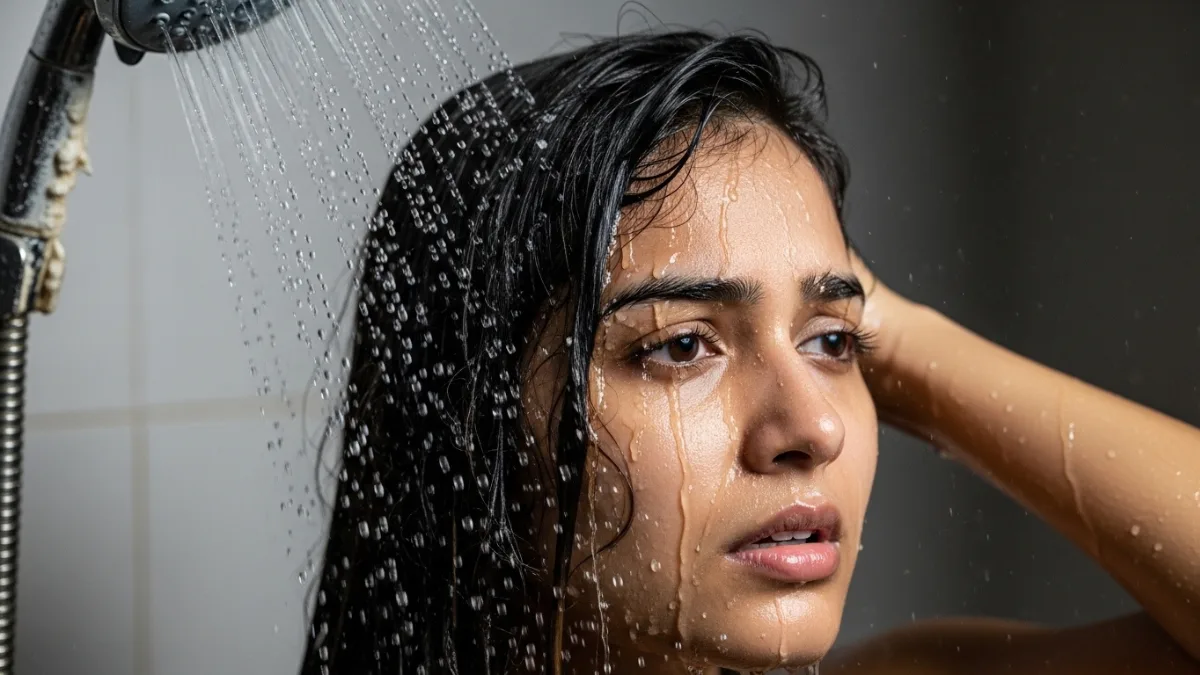
If you have recently moved to a bustling metropolitan hub like Bengaluru, Pune, Gurgaon, or Hyderabad for career or education, you have likely experienced a familiar ritual: unpacking your bags, settling into a rental apartment, and within a few weeks, noticing that your hair feels unusually dry, rough, and prone to alarming amounts of breakage.
In Indian cities, conversations around hair loss often revolve around stress, genetics, erratic sleep schedules, or changing dietary habits. However, millions of urban dwellers overlook a pervasive physical factor right in their bathrooms: hard water.
What Exactly Is Hard Water and Why Is It So Common in India?
Water is classified as "hard" when it contains a high concentration of dissolved minerals, primarily calcium and magnesium ions. As rainwater filters through limestone, chalk, and underground mineral deposits before settling into aquifers, it picks up heavy mineral loads.
In India, municipal water supplies are frequently supplemented or entirely replaced by underground sources due to civic supply shortages. According to Central Ground Water Board (CGWB) estimates, over 60% of India's districts face over-exploited or critical groundwater levels, heavily laden with total dissolved solids (TDS). When this untreated water is pumped directly into urban high-rises and independent rental houses via borewells, it lands straight on your scalp during your daily shower.
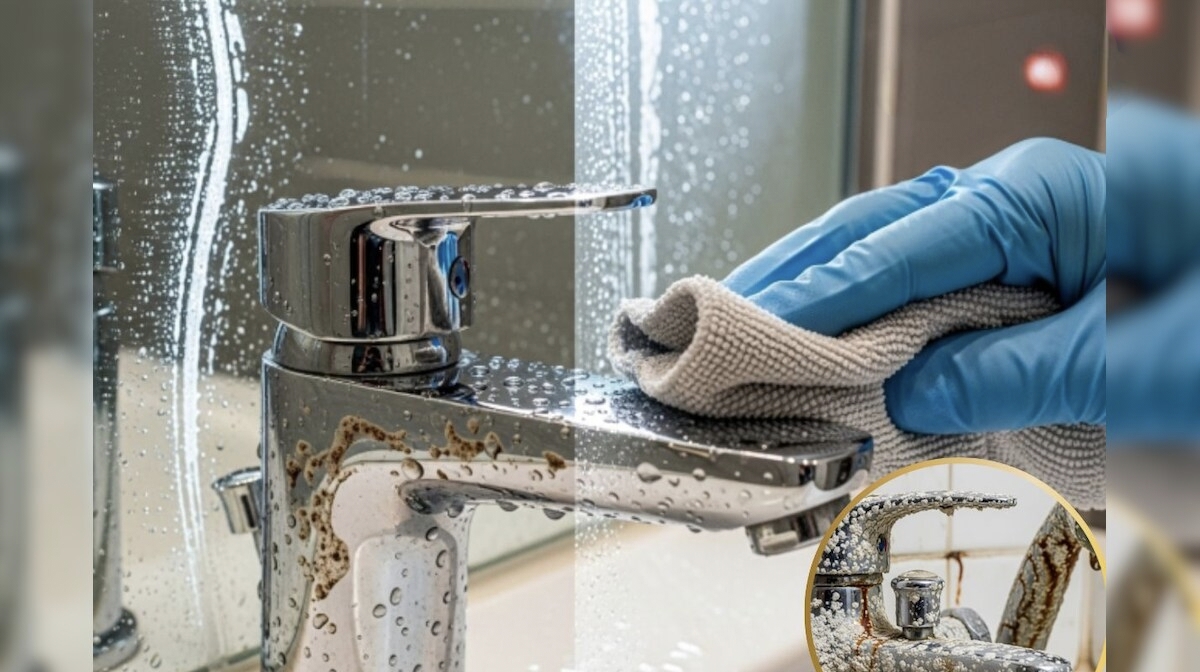
Mineral scaling around bathroom faucets is a visible indicator of high calcium and magnesium content in your daily supply.
The Urban Rental Housing Crisis: Borewells, Tankers, and Untreated Ground Water
The rapid, unchecked expansion of urban rental housing across India’s tech corridors and suburban clusters has created a unique domestic challenge. Key drivers include:
Heavy Reliance on Borewell Extractors: Most standalone apartment complexes and independent builder floors in cities like Bengaluru and Hyderabad depend entirely on deep-borewell groundwater. Because municipal water lines do not reach every floor or community adequately, societies drill borewells that pull water from deep subterranean layers packed with mineral strata.
Lack of Centralized Softening Systems: While premium gated communities sometimes install commercial Reverse Osmosis (RO) or ion-exchange water softeners for domestic supply, standard standalone rental apartments rarely feature centralized water treatment. Tenants receive raw, untreated ground water directly in their overhead tanks.
Unregulated Water Tanker Deliveries: During peak summer months, water scarcity forces apartment associations to purchase water from private tanker operators who pump groundwater from rural peripheries. This water often bypasses quality checks, carrying exceptionally high TDS levels and particulate impurities.
Aged Plumbing and Mineral Leaching: Many urban rental buildings feature aging metallic and PVC plumbing infrastructure where hard water mineral crusts accumulate over decades, further degrading the purity of water reaching the bathroom tap.
The Science: How Hard Water Directly Triggers Hair Fall
Does hard water snap your hair follicles from the root? Not directly. Instead, it creates a hostile biological and chemical micro-environment on your scalp that leads to progressive hair degradation:
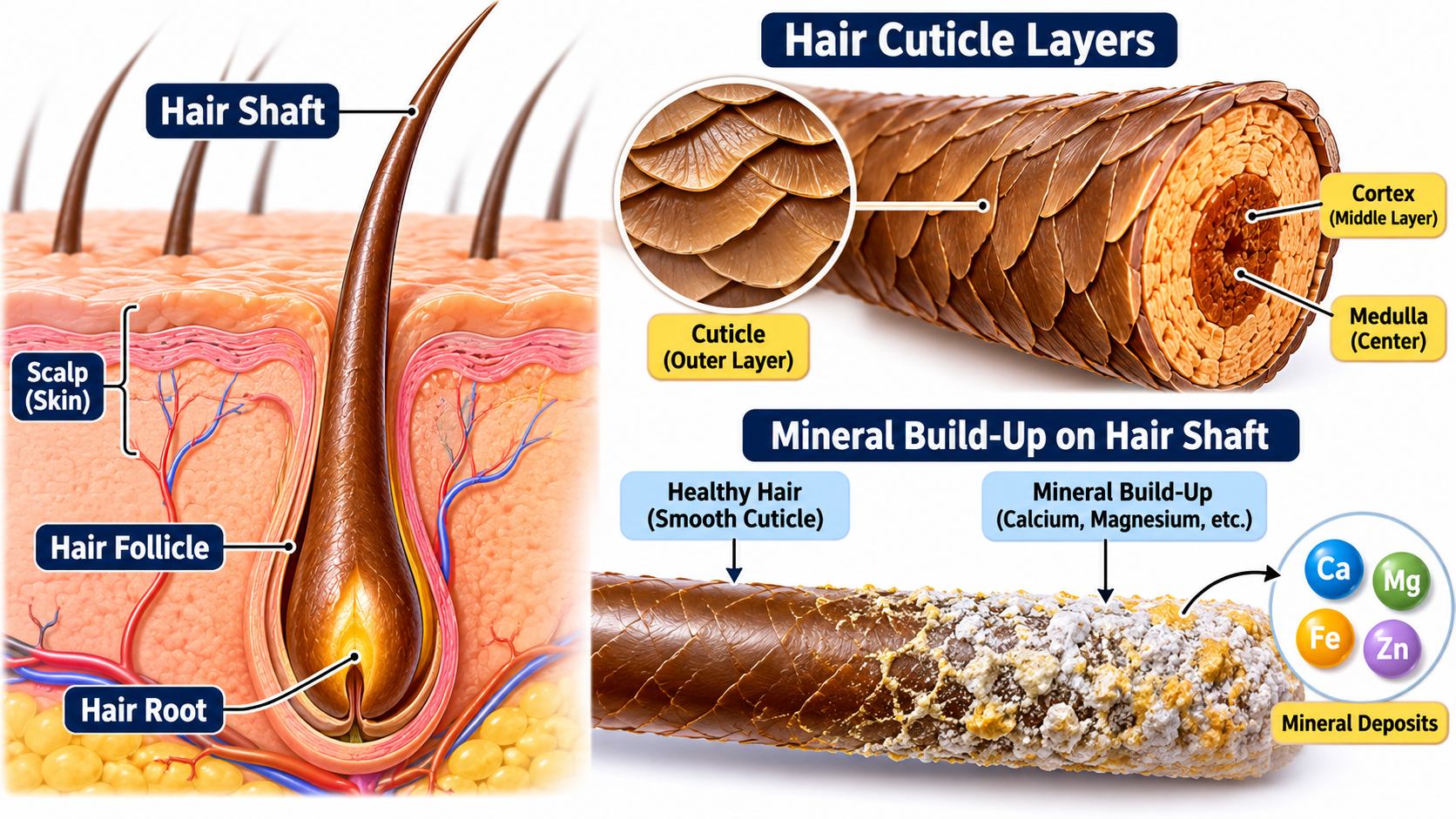
Mineral Buildup and Cuticle Restriction: When calcium and magnesium combine with soap or shampoo surfactants, they form a sticky, insoluble soap scum. This film clings tightly to the hair shaft, coating each strand like an armor plate. This prevents moisture and natural sebum from penetrating the cuticle, leading to chronic dryness, brittleness, and snapping.
Follicular Suffocation and Scalp Inflammation: Mineral deposits accumulate inside the hair follicles and sebaceous glands. Combined with dead skin cells and urban dust, this blockage triggers chronic low-grade scalp inflammation, dandruff, and follicular miniaturization—accelerating hair thinning.
Compromised Tensile Strength: Hair washed regularly in high-TDS hard water loses its elasticity. Simple acts of brushing or towel-drying then cause massive mechanical breakage.
"In our consultations with urban professionals across India, over 75% of sudden hair fall complaints in rental housing trace back to high-TDS groundwater exposure rather than internal health deficits." — Bear & Blend Wellness Expert Panel
Practical Solutions: How to Protect Your Hair in Hard Water Zones
You cannot change your apartment's water source overnight, but you can build a robust defensive routine to safeguard your hair health:
Install Hard Water Shower Filters: Invest in an affordable, easy-to-install multi-stage shower filter equipped with KDF (Kinetic Degradation Flux) media and activated carbon. These filters neutralize heavy metals and reduce mineral scaling before the water touches your hair.
Incorporate Chelating or Clarifying Shampoos: Use a clarifying or chelating shampoo once every week or two. Chelating agents (like disodium EDTA) act like microscopic magnets that bind to mineral ions and lift stubborn calcium crusts off your scalp.
Acidic Rinses (Apple Cider Vinegar): Hard water is alkaline (high pH), which causes hair cuticles to flare open. A diluted apple cider vinegar (ACV) rinse helps balance your scalp’s natural pH and smooth down the cuticle.
Deep Nourishment and Ayurvedic Oils: Counteract dryness by nourishing your scalp and hair roots with authentic herbal oils and plant-based personal care formulations rich in vitamins and restorative extracts.

Final Thoughts
Moving to a new city shouldn't mean sacrificing the health of your hair. By recognizing the hidden impact of untreated borewell water and taking proactive steps—such as filtering your shower water, adjusting your wash routine, and prioritizing scalp nourishment—you can protect your crowning glory against the urban water challenge.