
Can Dandruff Cause Hair Fall? Unraveling the Science Behind Flakes and Thinning
If you have ever noticed white flakes dusting your black kurta or professional blazer, you are far from alone. Scalp flaking and persistent dandruff affect millions of individuals across India. However, beyond the aesthetic embarrassment and itchy shoulders, a nagging worry troubles almost everyone experiencing it: "Is my dandruff the hidden reason why my hair is thinning out?"
In the holistic wellness philosophy at Bear & Blend, we believe true personal care begins by understanding root causes rather than treating superficial symptoms. Let’s dive deep into the dermatological and Ayurvedic realities connecting dandruff and hair fall, specially contextualized for Indian climatic conditions, water quality, and lifestyle factors.
The Direct Relationship: Does Dandruff Directly Trigger Hair Loss?
Scientifically speaking, dandruff itself does not directly destroy hair follicles or cause permanent pattern baldness (such as androgenetic alopecia). Simple dandruff is primarily the shedding of dead skin cells accelerated by an overgrowth of a yeast-like fungus called Malassezia, which naturally resides on human scalps.
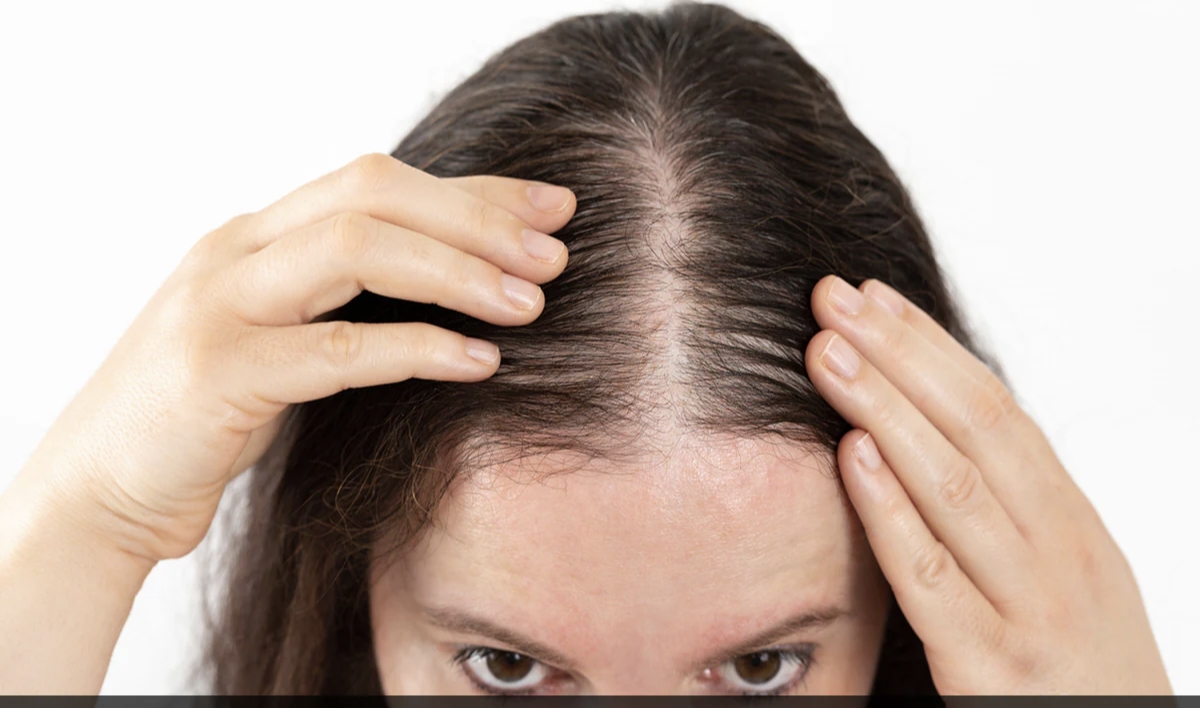
However, dandruff is a primary catalyst for severe indirect hair fall. When left unchecked, the physiological cascade triggered by chronic flaking, scalp inflammation, and obsessive scratching creates a hostile environment for hair roots, leading to excessive shedding (telogen effluvium) and hair breakage.
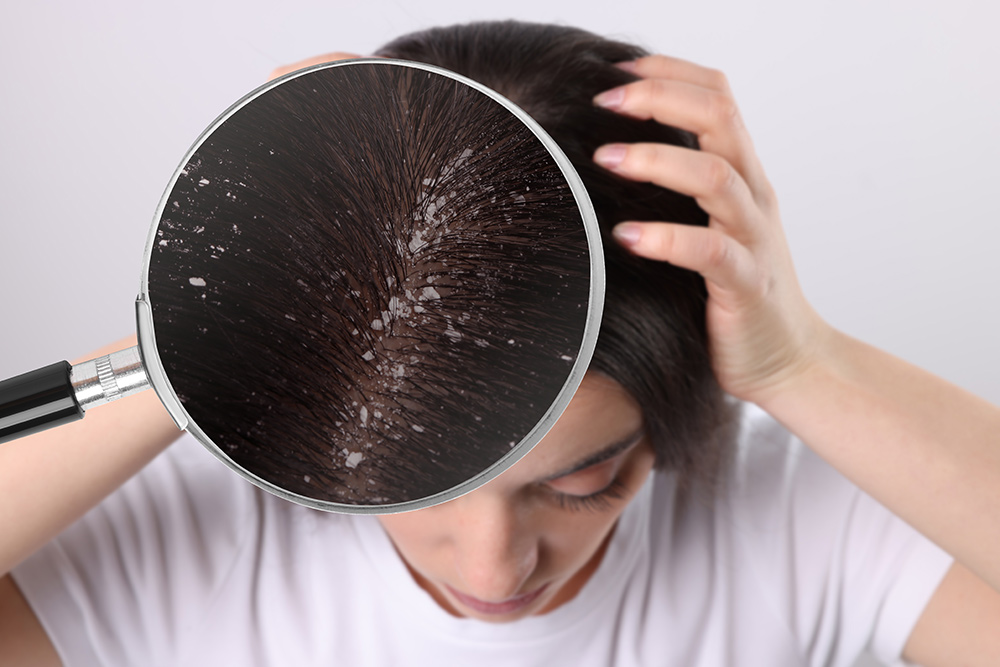
Key Drivers: Common Co-Occurrence of Flaking, Irritation, and Accelerated Hair Thinning
To truly grasp why your hair might be shedding when you have dandruff, we must examine the interconnected physiological mechanisms at play:
1. Severe Scalp Inflammation
Fungal overgrowth and excess sebum production trigger inflammatory responses on the scalp epidermis. Chronic micro-inflammation damages the tissue surrounding hair follicles, disrupting the natural anagen (growth) phase.
2. The Scratch-Damage Cycle
Itchy scalps lead to vigorous scratching. This mechanical trauma physically abrades the scalp skin, weakens the hair shaft at the root level, and can even tear hair follicles open, causing sudden mechanical breakage.
3. Follicular Blockage & Sebum Buildup
In conditions like Seborrheic Dermatitis, thick crusts, oily scales, and sebum can clog follicular openings. This suffocates the root, starving hair of essential nutrients and oxygen required for healthy growth.
4. Elevated Stress & Cortisol
Dealing with chronic scalp flakes creates emotional stress and social anxiety. Elevated cortisol hormones in the bloodstream directly push active hair follicles prematurely into a resting and shedding phase.
The Indian Context: Climate, Hard Water, and Traditional Wisdom
Managing scalp health in India comes with distinct regional challenges:
• Monsoon & Humidity: High humidity breeds Malassezia fungus rapidly, making seasonal dandruff flare-ups extremely common across coastal and tropical regions.
• Hard Water Stress: High mineral content (calcium and magnesium) in municipal water supplies across cities like Delhi, Bengaluru, and Chennai leaves mineral deposits on the scalp, worsening flaking and making hair brittle.
• Ayurvedic Perspective: Ayurveda attributes dandruff (known as Darunaka) to an imbalance in the Vata and Kapha doshas, resulting in dryness, toxin (ama) accumulation, and compromised scalp immunity.
💡 Bear & Blend Expert Tip: Harsh chemical anti-dandruff shampoos can strip natural oils, making hair dry and brittle. Look for balanced formulations that combine clinical actives (like Ketoconazole or Zinc Pyrithione) with nourishing botanical extracts like Neem, Tea Tree, and Bhringraj.
Actionable Steps to Break the Cycle
Protecting your crown requires a consistent, gentle, and holistic routine:
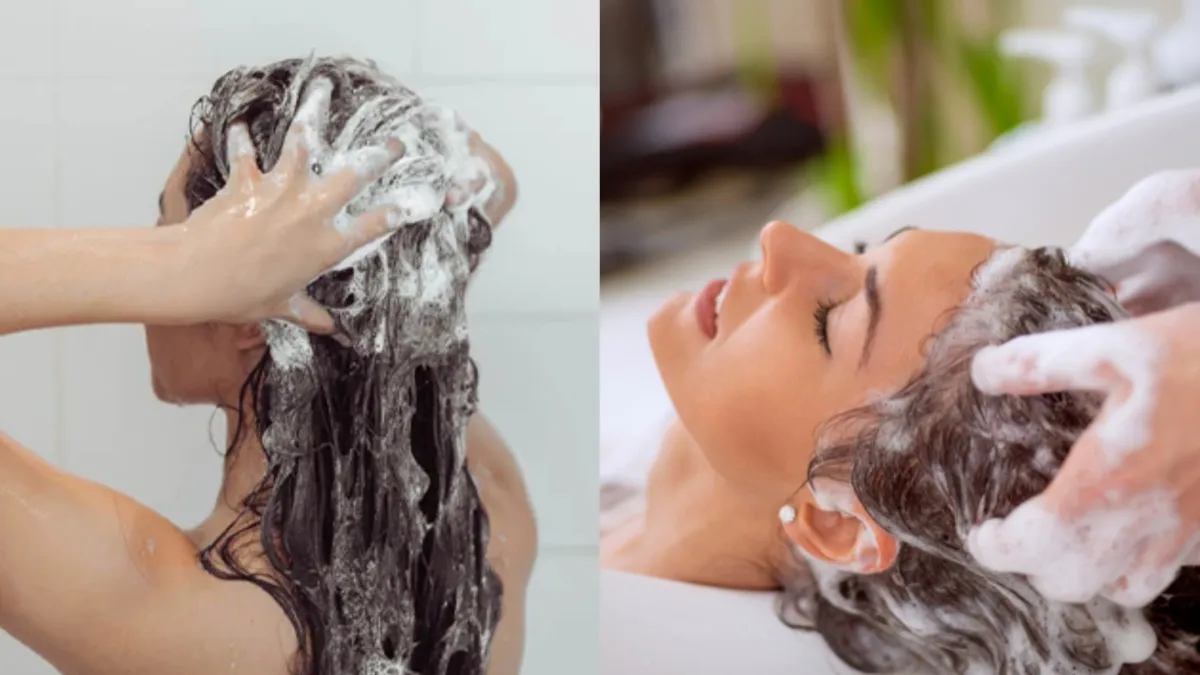
1. Gentle Scalp Cleansing: Wash your hair 2–3 times a week with a targeted medicated or herbal cleanser to keep fungal buildup under control without over-drying.
2. Avoid Hot Water: Hot showers strip natural scalp lipids, worsening irritation. Always rinse hair with lukewarm or cool water.
3. Oil with Care: Avoid heavy oiling if you have active fungal dandruff (as yeast feeds on certain fatty acids). Instead, opt for lightweight, antimicrobial oils like diluted tea tree or neem oil for brief pre-shampoo treatments.
4. Nutritional Balance: Ensure your diet includes adequate protein, Omega-3 fatty acids, zinc, and biotin to support robust hair follicle regeneration.