
Can a Diabetic Person Eat Mango, Banana, or White Rice?
Yes—but the portion, preparation, and what you eat with them matter. Here is a practical Indian guide to enjoying these everyday foods while keeping blood glucose goals in mind.
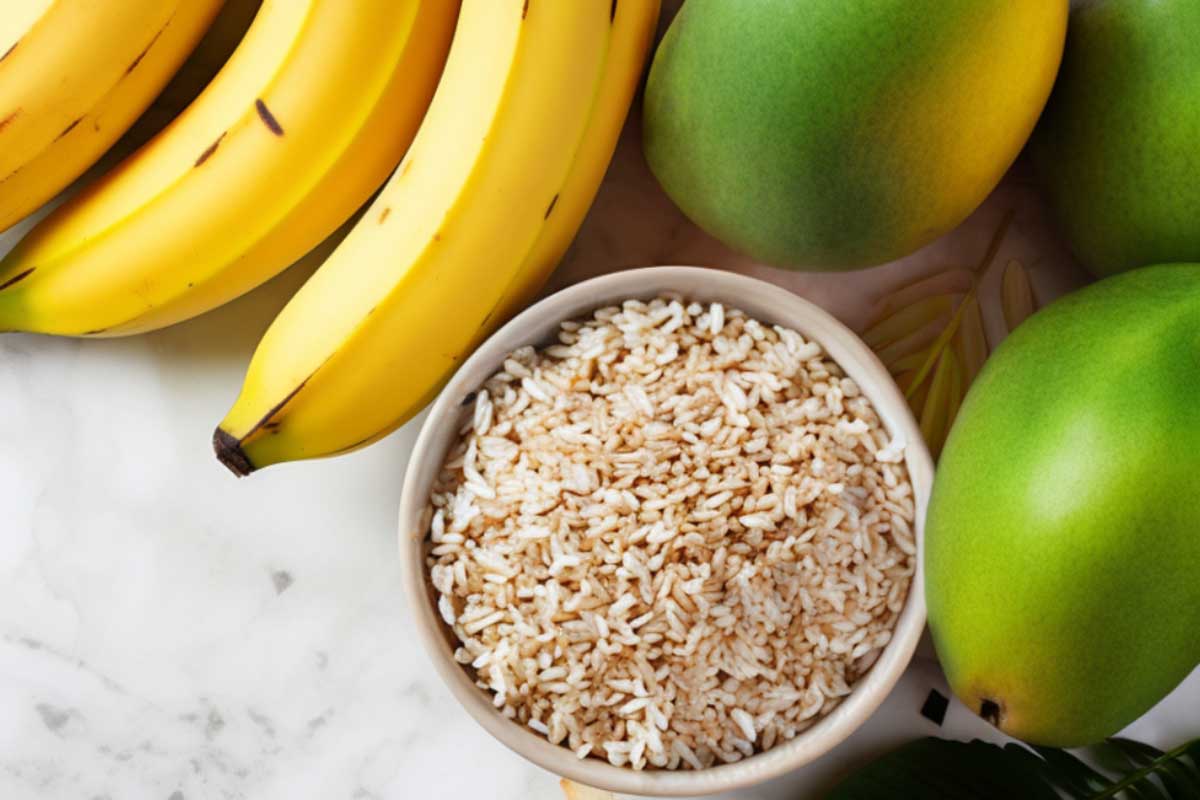
The short answer
People with diabetes can usually include mango, banana and even white rice. These foods contain carbohydrates, so they can raise blood glucose. The practical approach is to manage the portion, total carbohydrate intake, meal combination and individual glucose response rather than automatically avoiding a food.
Why portion size matters
Carbohydrates are broken down into glucose. A food's glycemic index (GI) can give some indication of how quickly a carbohydrate-containing food may raise blood glucose, but GI is not the whole story. The amount eaten, ripeness, cooking method, meal composition and individual response also matter.
Indian nutrition guidance shows that GI values can vary considerably between foods and preparations. For example, NIN's dietary guidance lists banana at about 51, while white boiled rice is about 73; ICMR material lists banana around 51, mango around 60 and white rice around 64. These figures are useful context—not a reason to label a food simply “good” or “bad.”
MANGO
Yes, in a sensible portion
Choose whole mango rather than juice. Keep the serving modest and account for it within your day's carbohydrate intake.
BANANA
Yes, portion matters
A small banana or a smaller portion of a large banana can fit into many diabetes meal plans. Ripeness and portion affect the glucose response.
WHITE RICE
Yes, but control the serving
Rice can be included, but large portions can deliver a substantial carbohydrate load. Pair it with vegetables, dal or another protein source.
1. Can a person with diabetes eat mango?
Yes. Mango is a whole fruit and provides nutrients, but it also contains naturally occurring sugars and carbohydrates. The main issue is usually the quantity eaten at one time.
Prefer whole mango over mango juice, shakes or sweetened mango drinks.
Start with a small serving rather than eating a large bowl at once.
Do not combine a large mango serving with other major carbohydrate foods if your glucose is difficult to control.
If you monitor glucose at home, your readings can help you understand your personal response.
2. Can a person with diabetes eat banana?
Yes. Banana does not need to be completely eliminated. NIN dietary guidance lists banana at approximately GI 51, although the actual response varies with variety, ripeness, portion and the person eating it.
Choose a small banana or a controlled portion of a larger one.
Whole banana is preferable to banana juice or a sweetened banana shake.
For some people, eating fruit alongside a meal or a protein/fat source may produce a different glucose response than eating a large fruit portion alone.
3. Can a person with diabetes eat white rice?
Yes, but white rice deserves more attention to portion size. NIN's dietary guidelines list white boiled rice at about GI 73 ± 4. That does not mean someone with diabetes can never eat rice; it means the carbohydrate quantity and meal composition matter.
Keep the rice portion modest and avoid making rice the largest part of the plate.
Add plenty of non-starchy vegetables and a protein-rich food such as dal, beans, paneer, curd, eggs, fish or lean meat, as appropriate to your diet.
Consider alternatives such as brown rice or other minimally processed whole grains if they suit you—but portion control still matters.
Avoid turning rice into a high-sugar meal through sweet sauces, desserts or sugary drinks.
A simple Indian plate approach
Build the meal around balance
Instead of asking “Is rice or fruit completely allowed?”, look at the whole meal. A practical starting point is to make non-starchy vegetables a large share of the plate, include a protein source, and keep the carbohydrate portion controlled.
Important: people using insulin or glucose-lowering medicines may need individualized carbohydrate guidance.
½ PLATE
Non-starchy vegetable¼ PLATE
Rice/roti/other carbs¼ PLATE
ProteinFRUIT
Small whole-fruit servingBetter choices: what to do and what to avoid
Food,Better approach,Try to limit
Mango
Small serving of whole mango
Large bowls, juice, sweetened shakes
Banana
Small banana / controlled portion
Large portions, sugary shakes
White rice
Modest serving + vegetables + protein
Very large servings or rice-heavy meals
Fruit drinks
Whole fruit + water
Juice and sugar-sweetened beverages
Bear & Blend tip: If you are unsure whether a portion works for you, keep a simple food-and-glucose log for a few days and discuss the pattern with your doctor or registered dietitian. Your medication, activity level, kidney health, weight goals and glucose targets can change the right portion for you.
Bottom line
Mango, banana and white rice do not automatically have to disappear from an Indian diet after a diabetes diagnosis. The smarter approach is portion control, choosing whole fruit instead of juice, balancing carbohydrate foods with vegetables and protein, and monitoring your individual response when appropriate.
Is banana too sweet for a person with diabetes?
No. Whole mango can fit into many diabetes meal plans when the portion is appropriate. Avoiding large portions and sugary mango drinks is more useful than treating mango as a forbidden food.
Is banana too sweet for a person with diabetes?
Not necessarily. Banana is a carbohydrate-containing fruit, but whole fruit can be part of a diabetes-friendly eating pattern. Portion and overall carbohydrate intake are important.
Should I stop eating white rice completely?
Not automatically. If you eat rice regularly, focus on a smaller portion, increase vegetables and include protein. If your glucose remains above target, ask your clinician or dietitian how much carbohydrate is appropriate for you.
Is brown rice always better than white rice?
Brown rice generally provides more fiber and is less refined, but “brown” does not make unlimited portions appropriate. Total carbohydrate, serving size and your individual glucose response still matter.