Biotin Tablets: Benefits, Side Effects, Dosage, and What You Need to Know in India
From glowing skin reels on Instagram to expert hair care recommendations across Indian wellness forums, biotin has taken center stage. But do you actually need biotin supplements, and what are the realities of its benefits and side effects? Let’s dive in.
Table of Contents
> 1. What is Biotin (Vitamin B7)?
> 2. Key Benefits of Biotin Tablets
> 3. Dietary Sources in Indian Diets
> 4. Potential Side Effects & Safety
> 5. Recommended Daily Intake (RDI)
> 6. Expert Tips for Consumers
1. What is Biotin (Vitamin B7 / Vitamin H)?
Biotin is part of the water-soluble B-complex family and is officially known as Vitamin B7 (historically referred to as Vitamin H, derived from Haar und Haut, German for "hair and skin"). Because your body cannot store water-soluble vitamins, your system requires a steady daily replenishment either through your diet or supplements.
In the human body, biotin functions primarily as a coenzyme. It helps metabolize carbohydrates, fats, and amino acids, converting the food you eat into vital cellular energy. Without adequate biotin, many fundamental metabolic processes slow down, which can visibly manifest in your hair follicles, nail beds, and skin texture.
2. Key Benefits of Biotin Tablets
While true biotin deficiency is relatively rare in healthy individuals consuming a balanced meal plan, supplementation has become immensely popular for targeted wellness goals. Here are the primary scientifically backed benefits:
🌱 Promotes Hair Strength & Growth
Biotin assists in the production of keratin, a fundamental protein that builds hair strands, reducing breakage and thinning.
✋Strengthens Brittle Nails
Clinical studies indicate that daily biotin supplementation can increase nail thickness and reduce splitting in weak nails.
🙂 Supports Radiant Skin
By assisting with fatty acid synthesis, biotin helps maintain healthy mucous membranes and lipid metabolism for a natural glow.
⚡ Boosts Metabolic Energy
It acts as a key cofactor for carboxylase enzymes, converting macronutrients into usable cellular fuel to combat fatigue.
Nutrition Insight
Whole Foods vs. Supplements
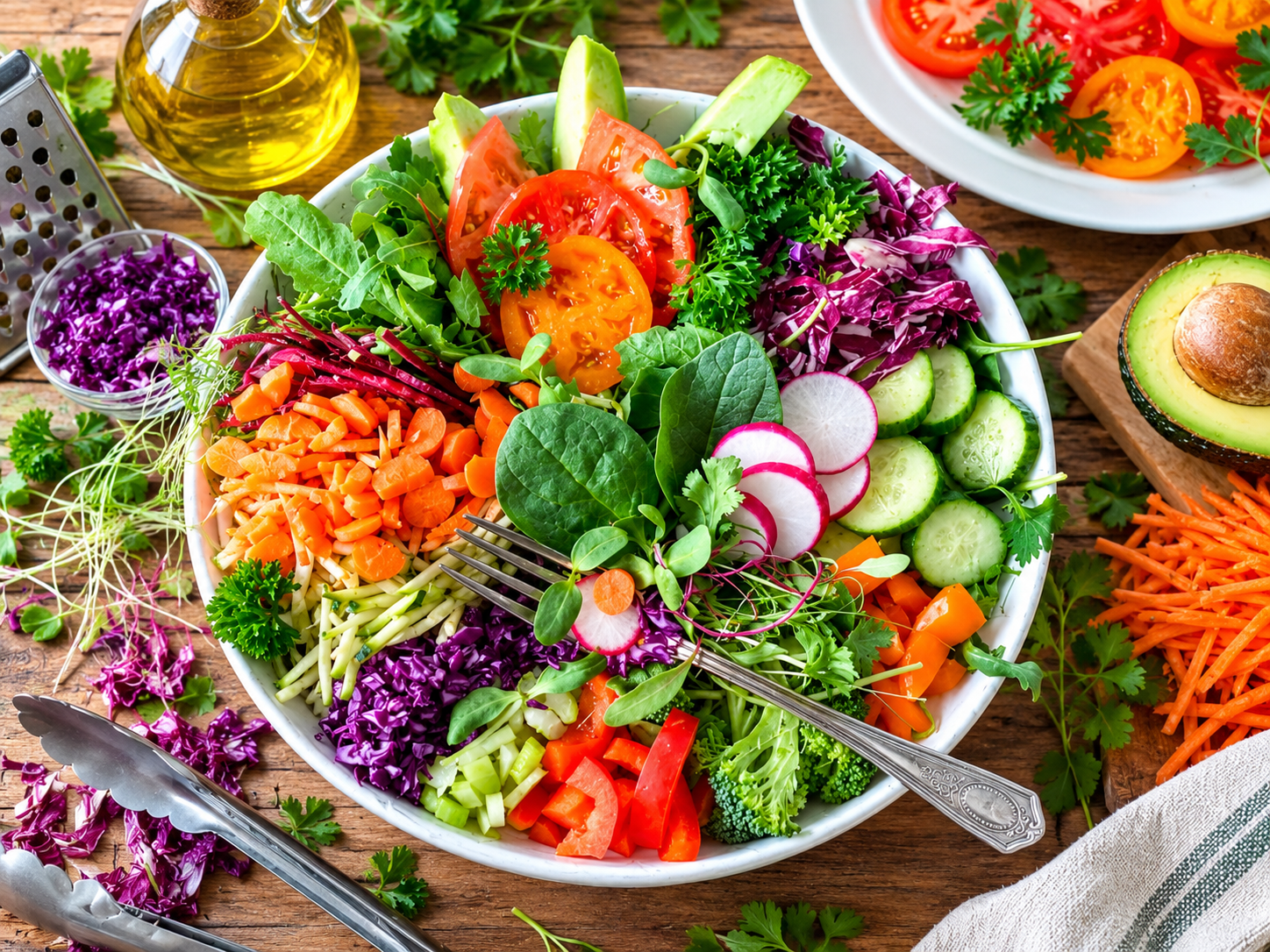
While supplements offer a convenient concentrated dose, integrating wholesome Indian superfoods ensures you receive a synergistic blend of minerals, fiber, and co-nutrients.
3. Dietary Sources of Biotin in Indian Diets
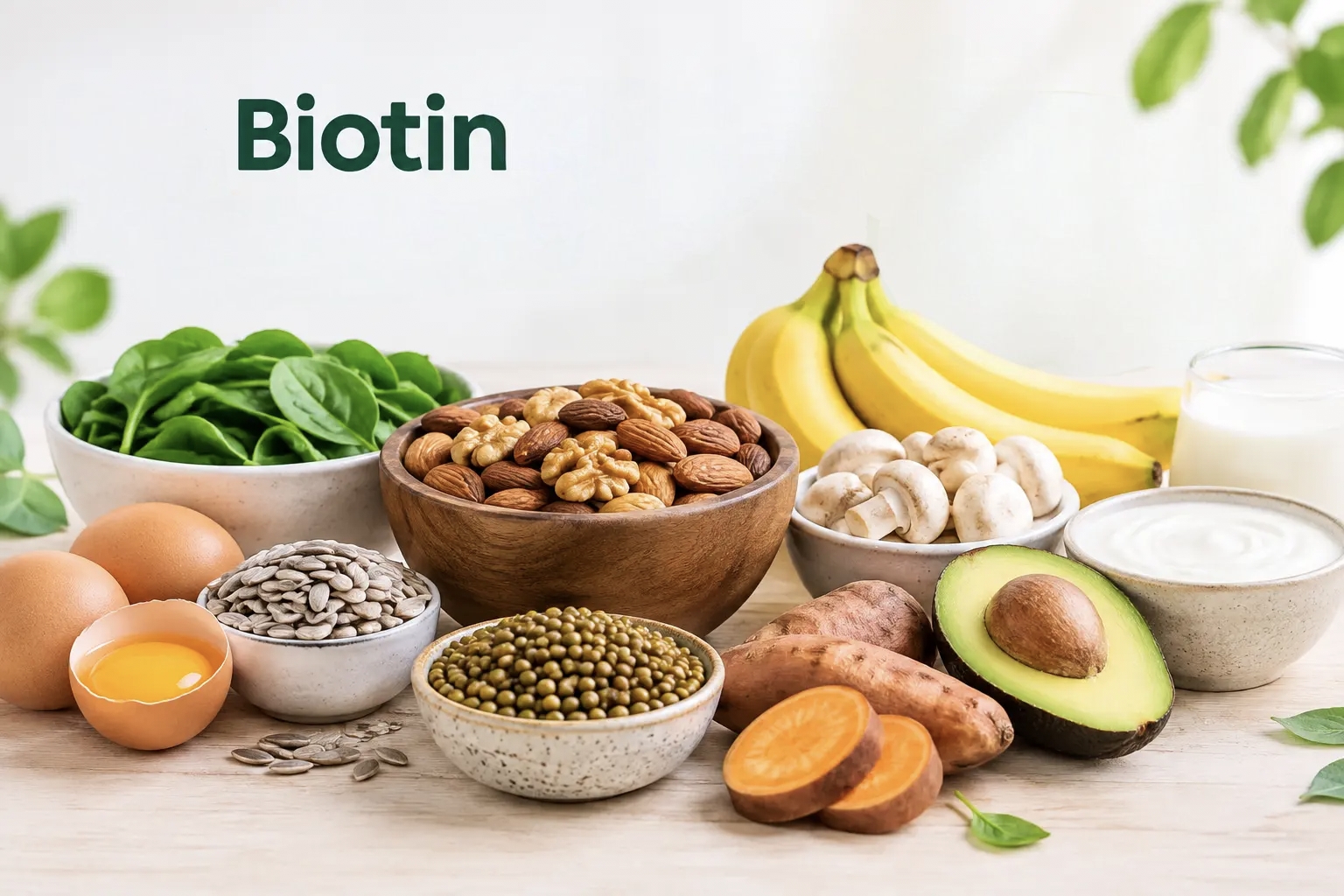
Before turning straight to tablets, many Indians can fulfill their baseline biotin needs through everyday kitchen staples. Here are some rich natural sources easily available across local Indian markets:
🌰 Nuts & Seeds
Almonds (Badam), walnuts (akhrot), and sunflower seeds are exceptionally rich in B-vitamins.
🥕 Vegetables & Roots
Sweet potatoes (shakarkandi), spinach (palak), and broccoli provide robust natural biotin.
🥚 Dairy & Eggs
Whole eggs (especially the cooked yolk), paneer, and curd are high-bioavailability options.
4. Potential Side Effects & Safety Concerns
Biotin is water-soluble, meaning your body safely flushes out excess amounts through urine. Because of this, it is generally considered very safe, even at higher doses. However, high-potency supplements (such as 5,000 mcg to 10,000 mcg tablets) can occasionally cause mild to moderate side effects:
⚠️ Acne Breakouts & Skin Irritation
High doses of biotin can compete with pantothenic acid (Vitamin B5) for intestinal absorption. A deficiency in B5 can trigger skin breakouts, especially along the jawline and chin.
⚠️ Digestive Upset & Nausea
Taking high-potency multivitamins or isolated biotin tablets on an empty stomach can occasionally lead to mild cramping, nausea, or loose stools.
⚠️ Interference with Lab Test Results
This is crucial: High biotin intake can cause falsely high or falsely low readings in crucial medical tests, including thyroid function tests and cardiac marker tests (troponin). Inform your doctor if you take biotin before blood work.
5. Recommended Daily Intake (RDI)
According to general nutritional guidelines and Indian dietary reference standards:
• Adult Men and Women (19+ years): 30 micrograms (mcg) per day.
• Pregnant & Lactating Women: 30 to 35 mcg per day (under medical guidance).
• Therapeutic Supplement Doses: Hair and nail supplements commonly range from 1,000 mcg to 5,000 mcg per day. Always consult a healthcare professional before starting high-potency regimens.
6. Expert Tips on Choosing Biotin Supplements in India
1. Check FSSAI Approval: Ensure any supplement you buy in India carries clear FSSAI (Food Safety and Standards Authority of India) licensing and batch verification.
2. Look for Synergistic Nutrients: The best hair and skin formulas combine biotin with zinc, selenium, Vitamin C, and amino acids like L-cysteine for enhanced efficacy.
3. Stay Hydrated: Because biotin is water-soluble, drinking adequate water throughout the day helps your body process and balance micronutrients efficiently.